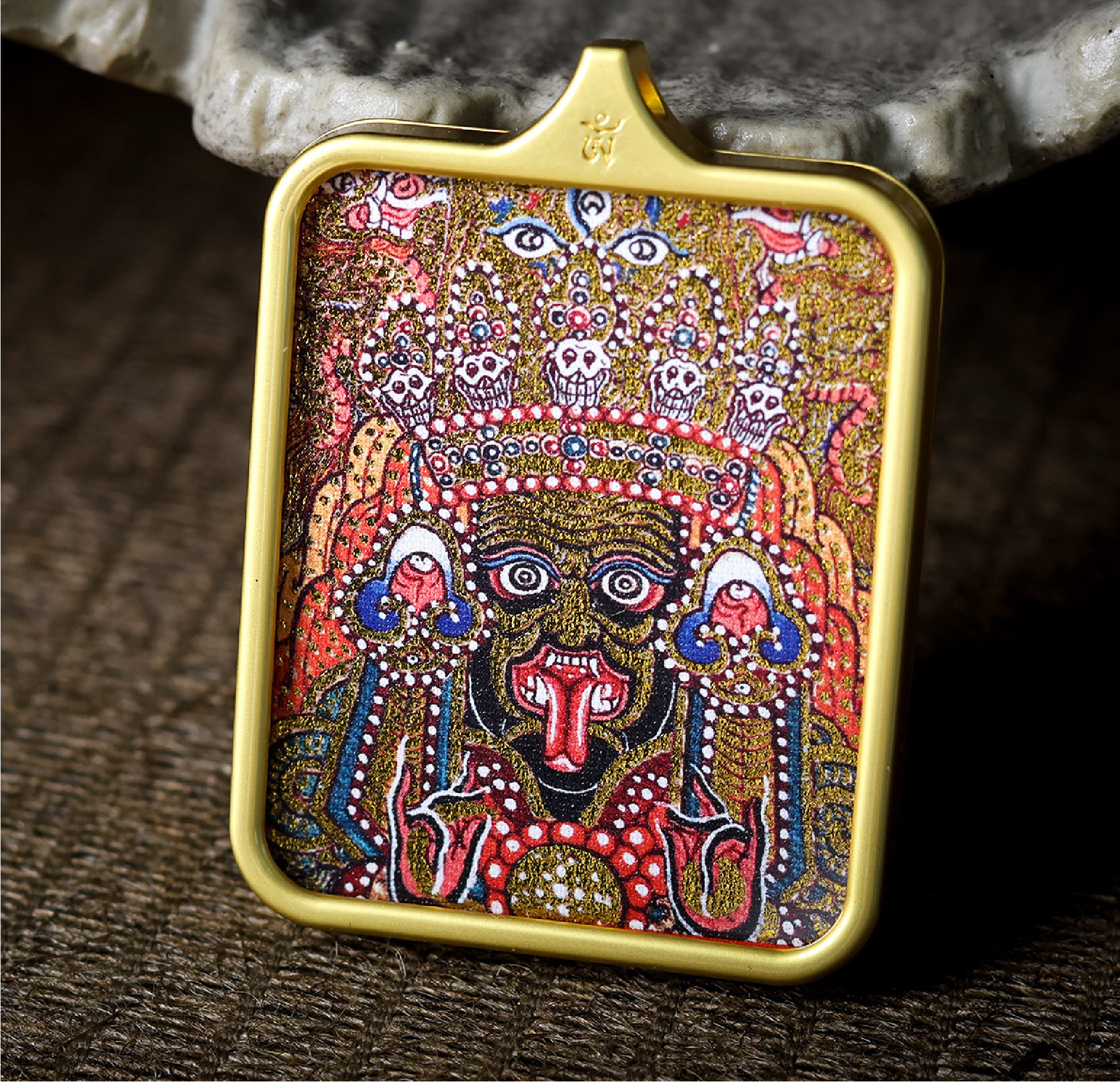
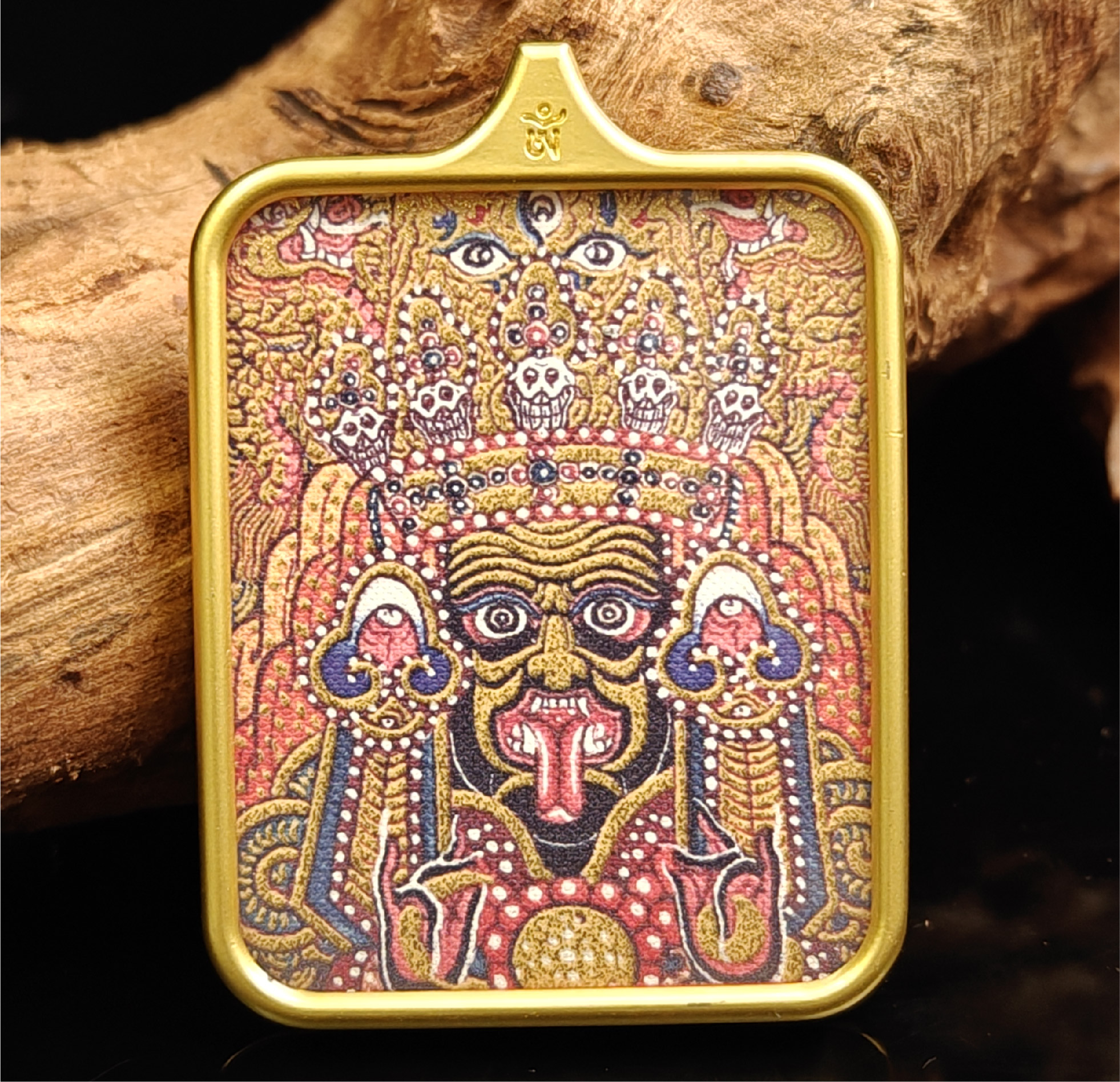
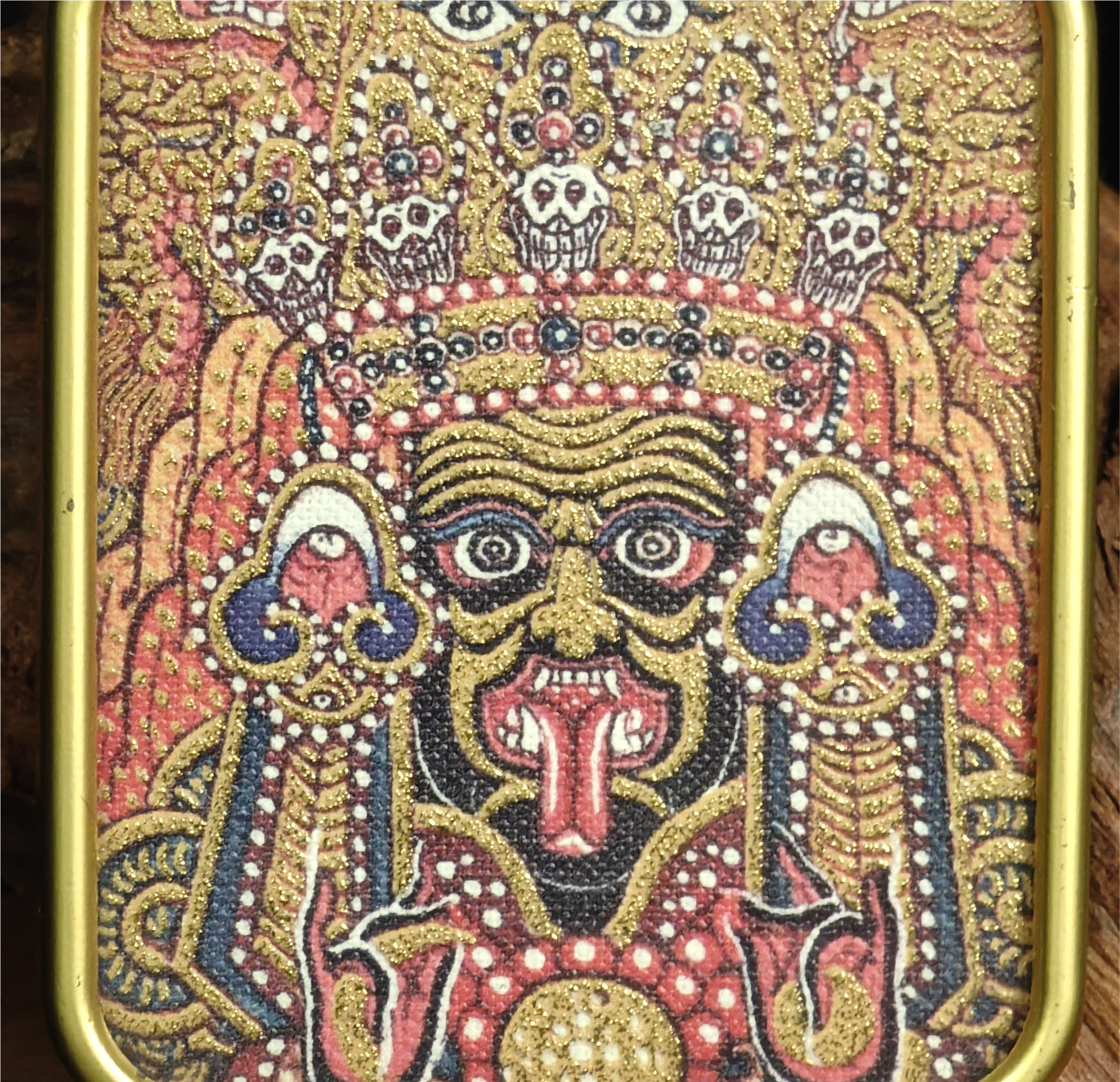
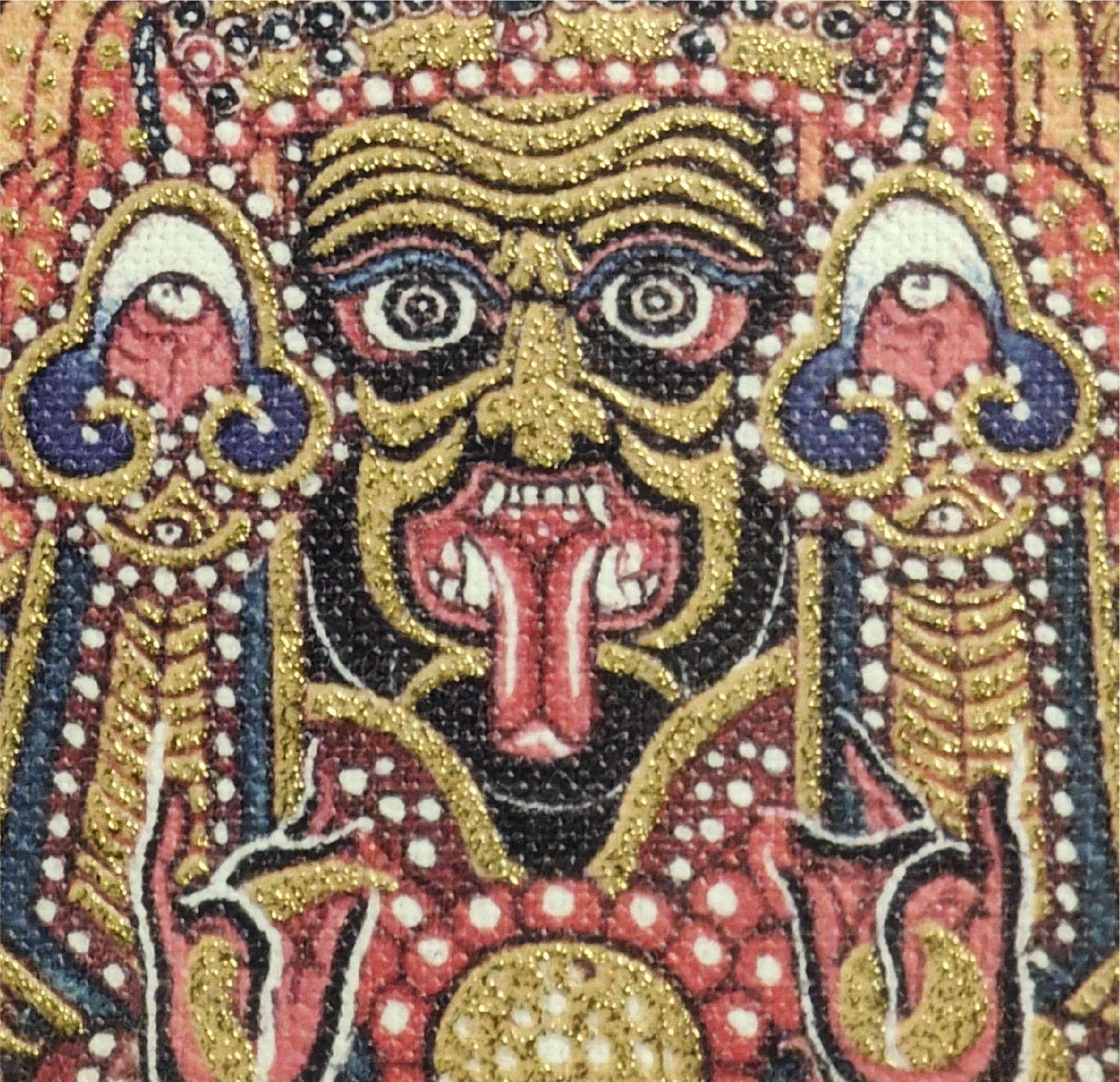
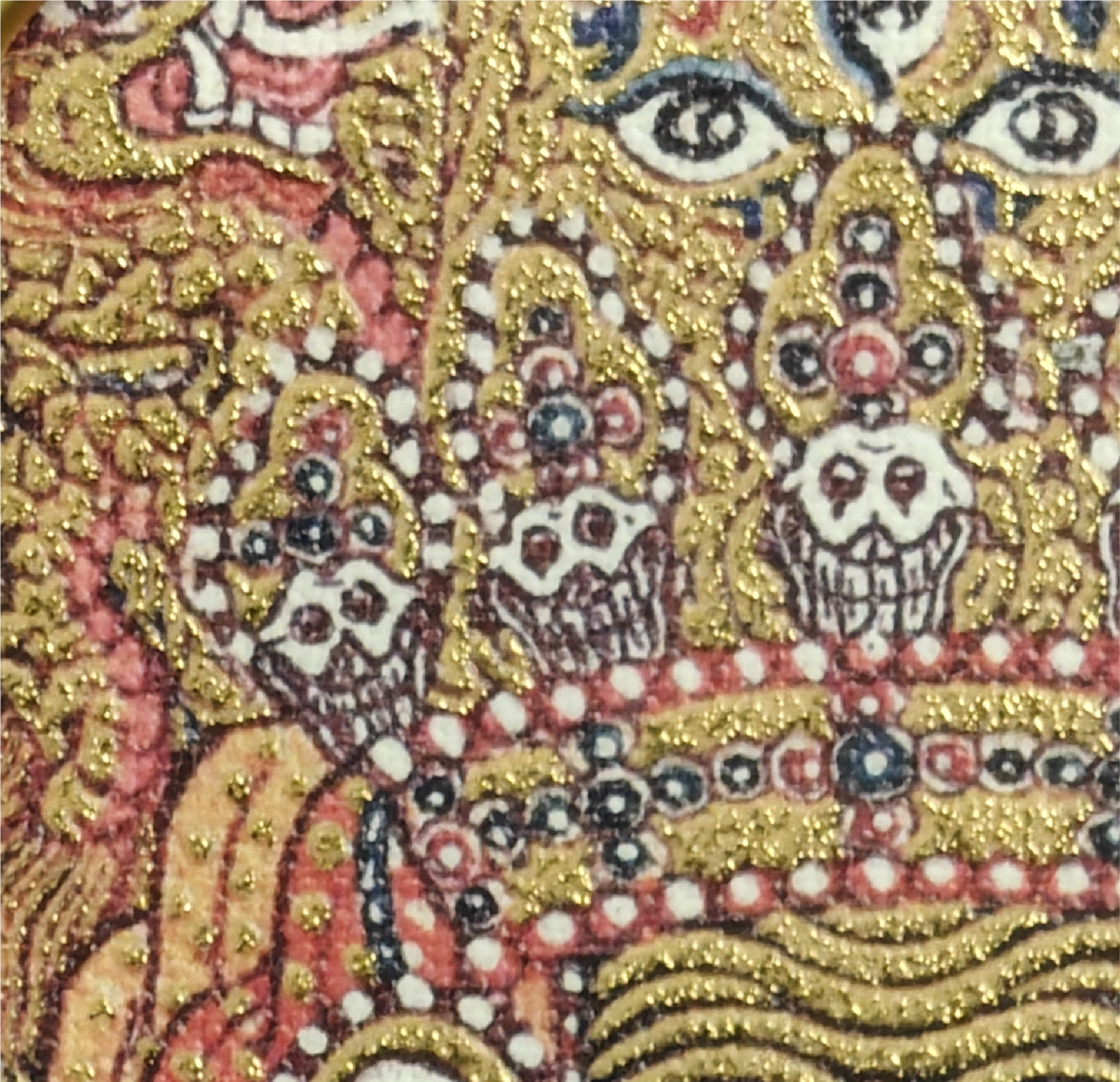
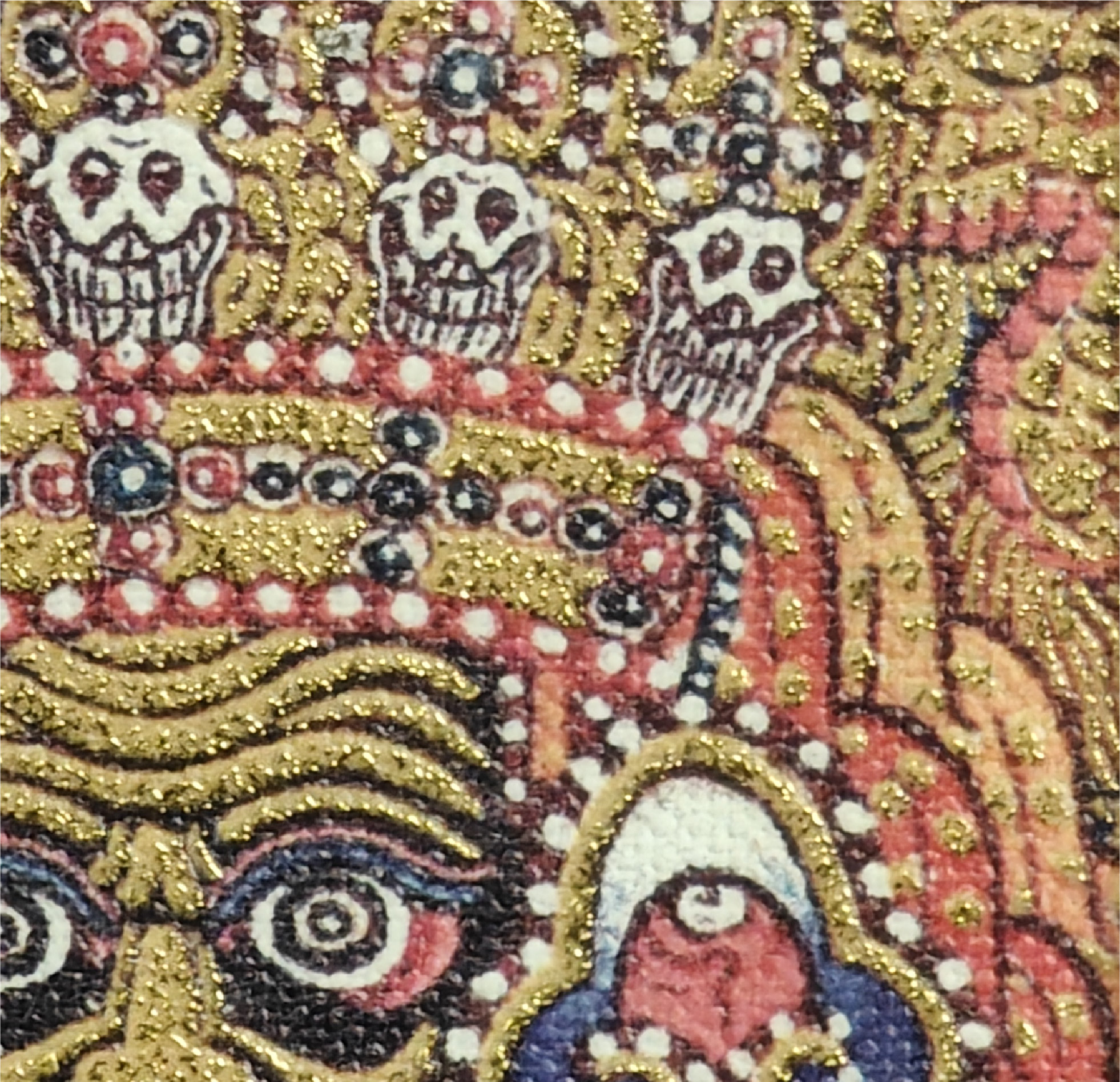
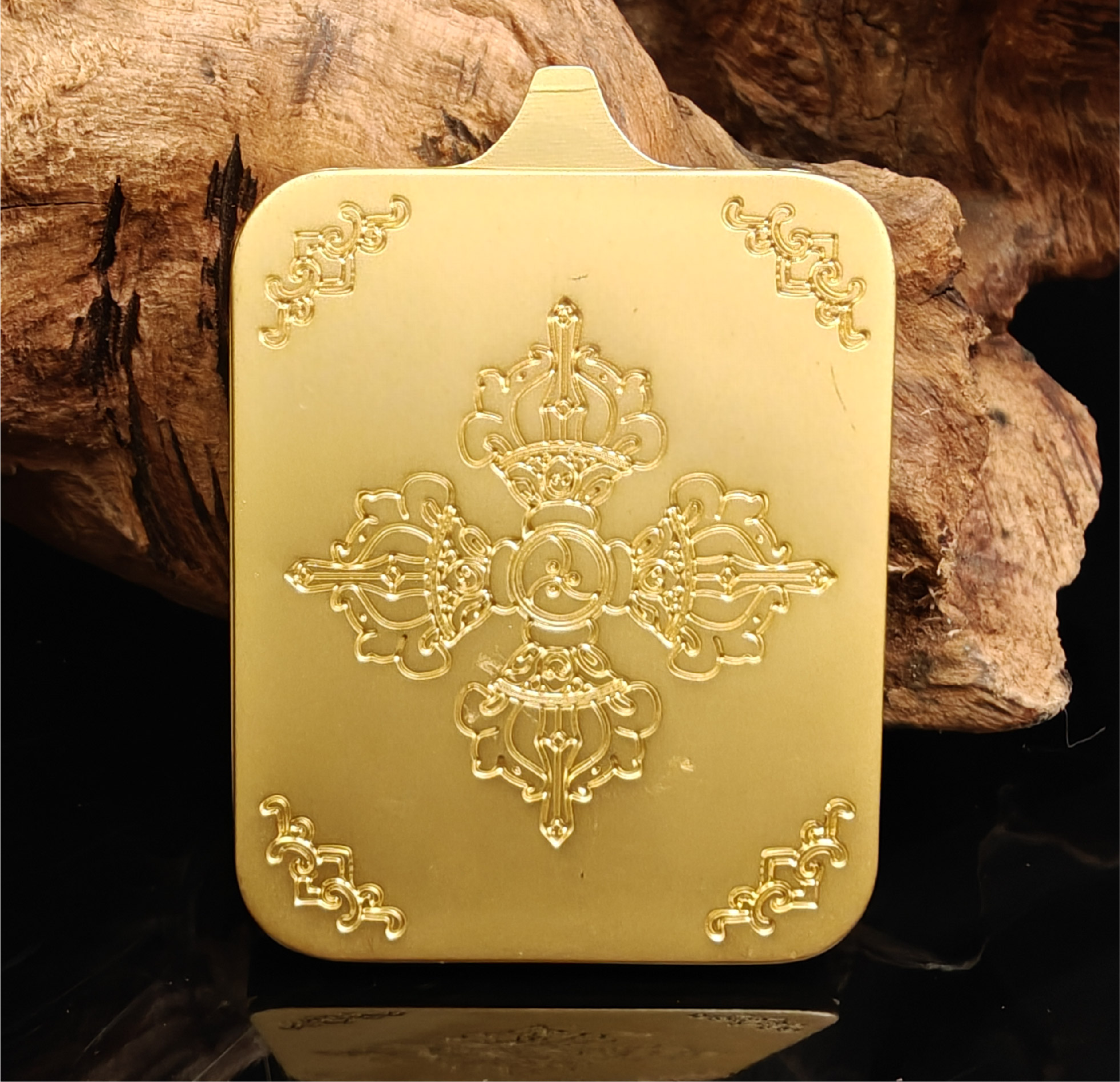
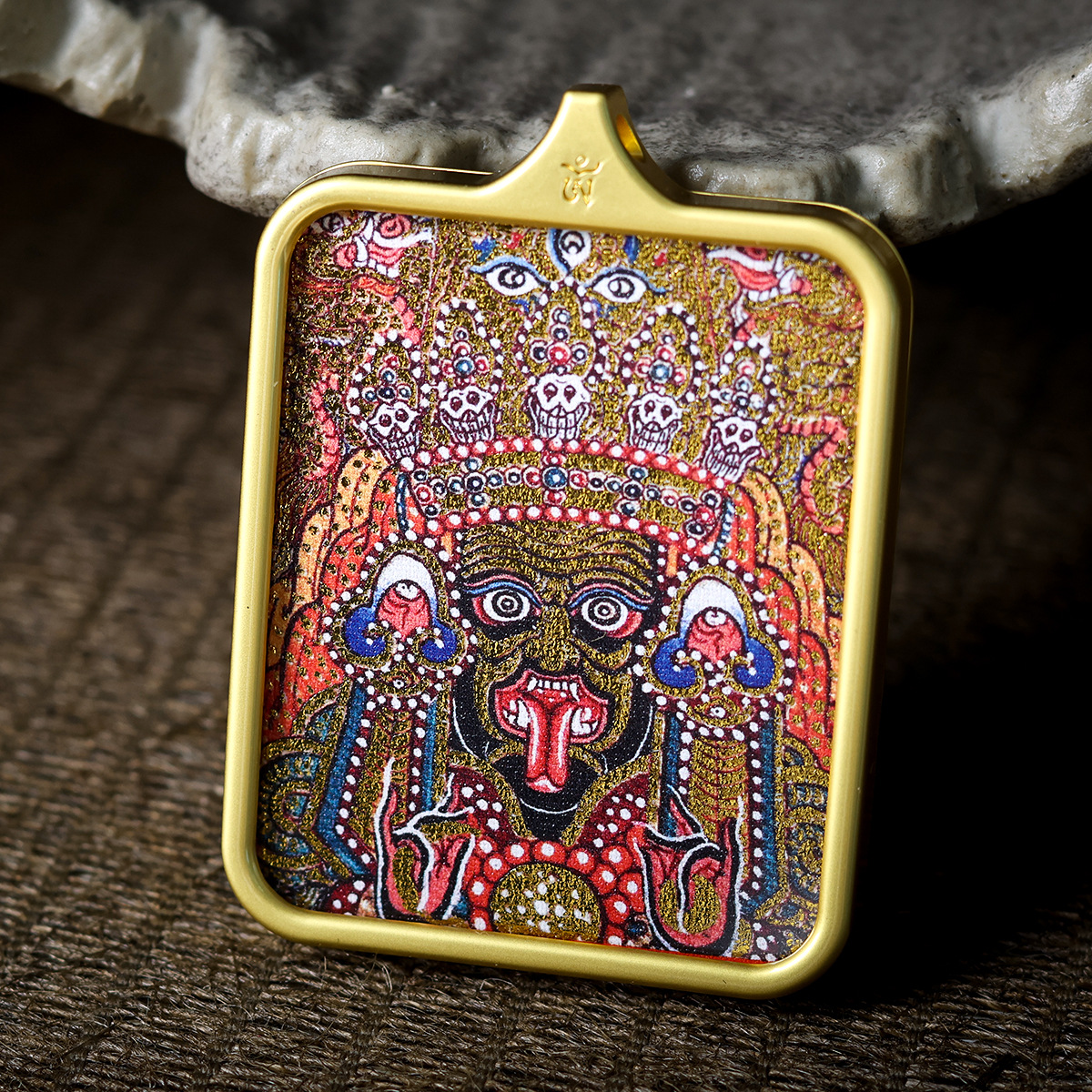
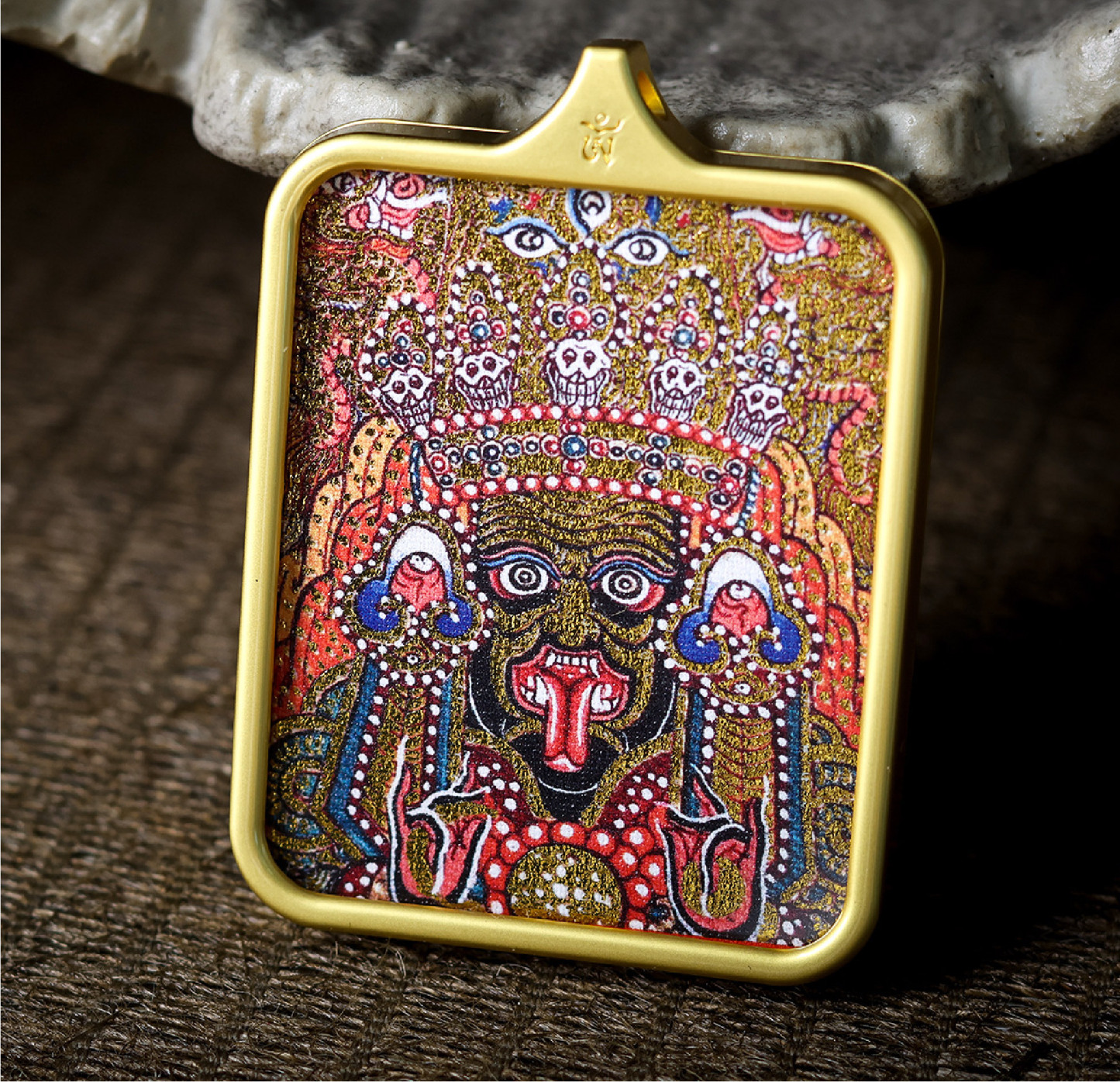
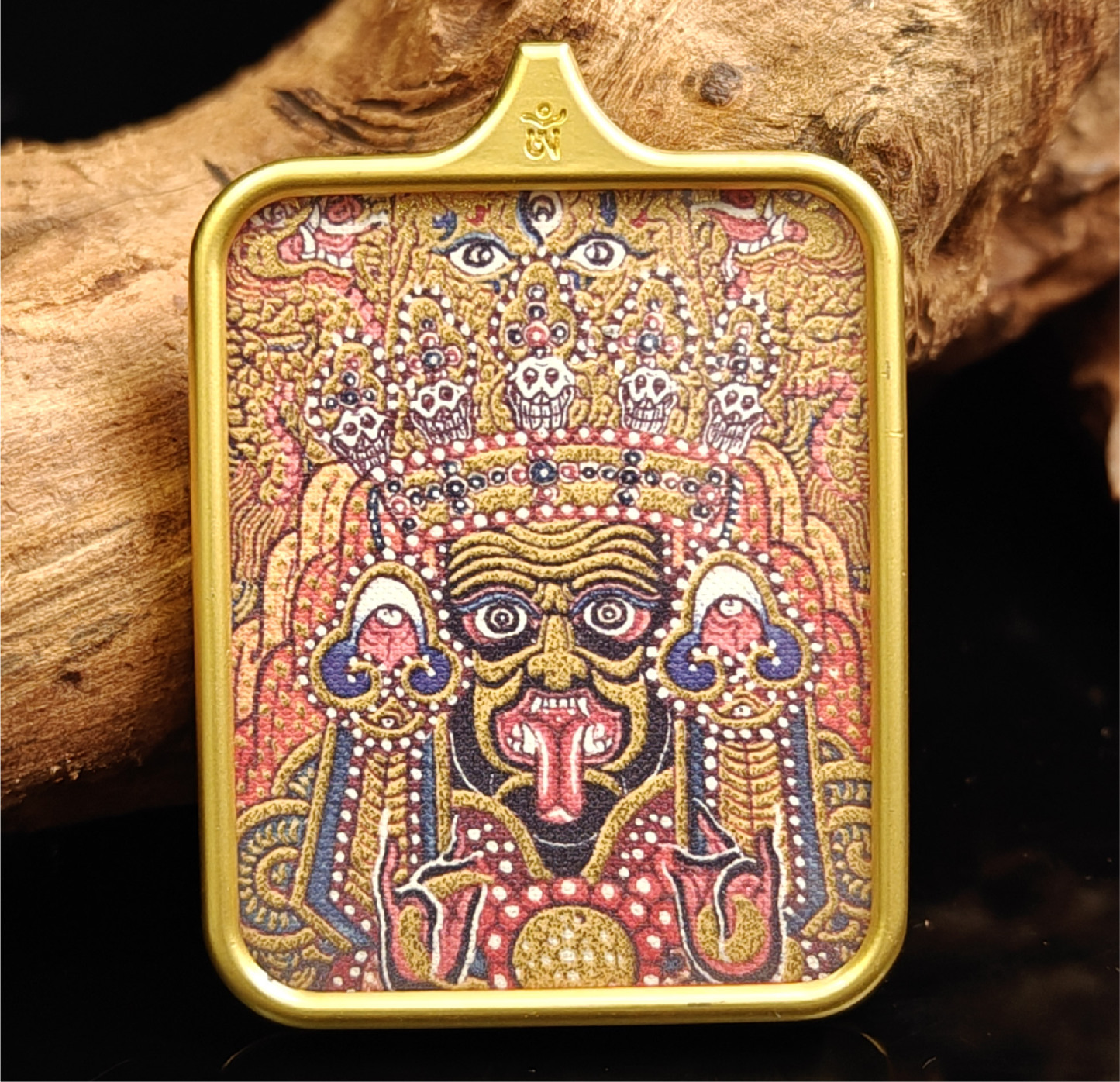
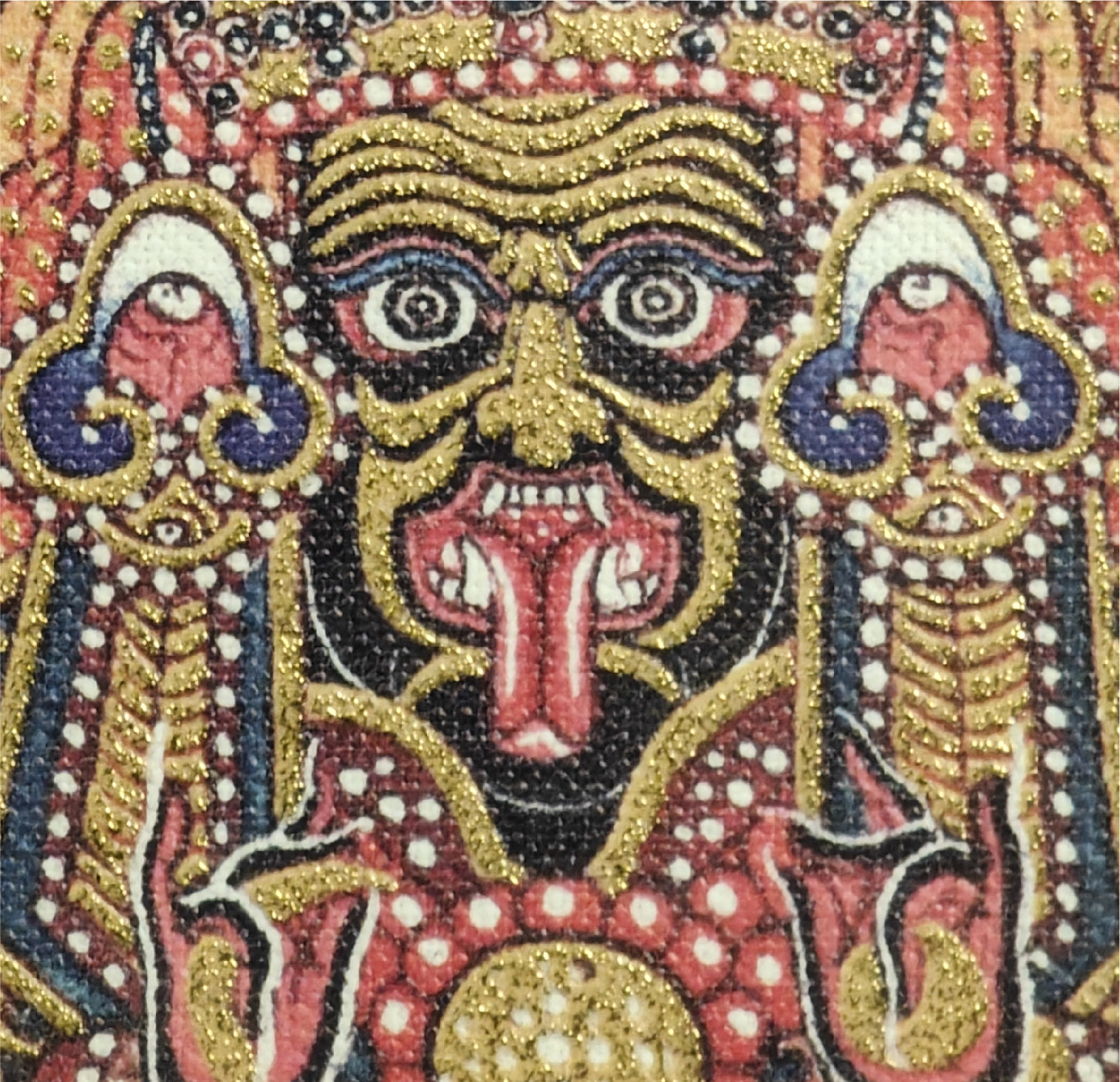
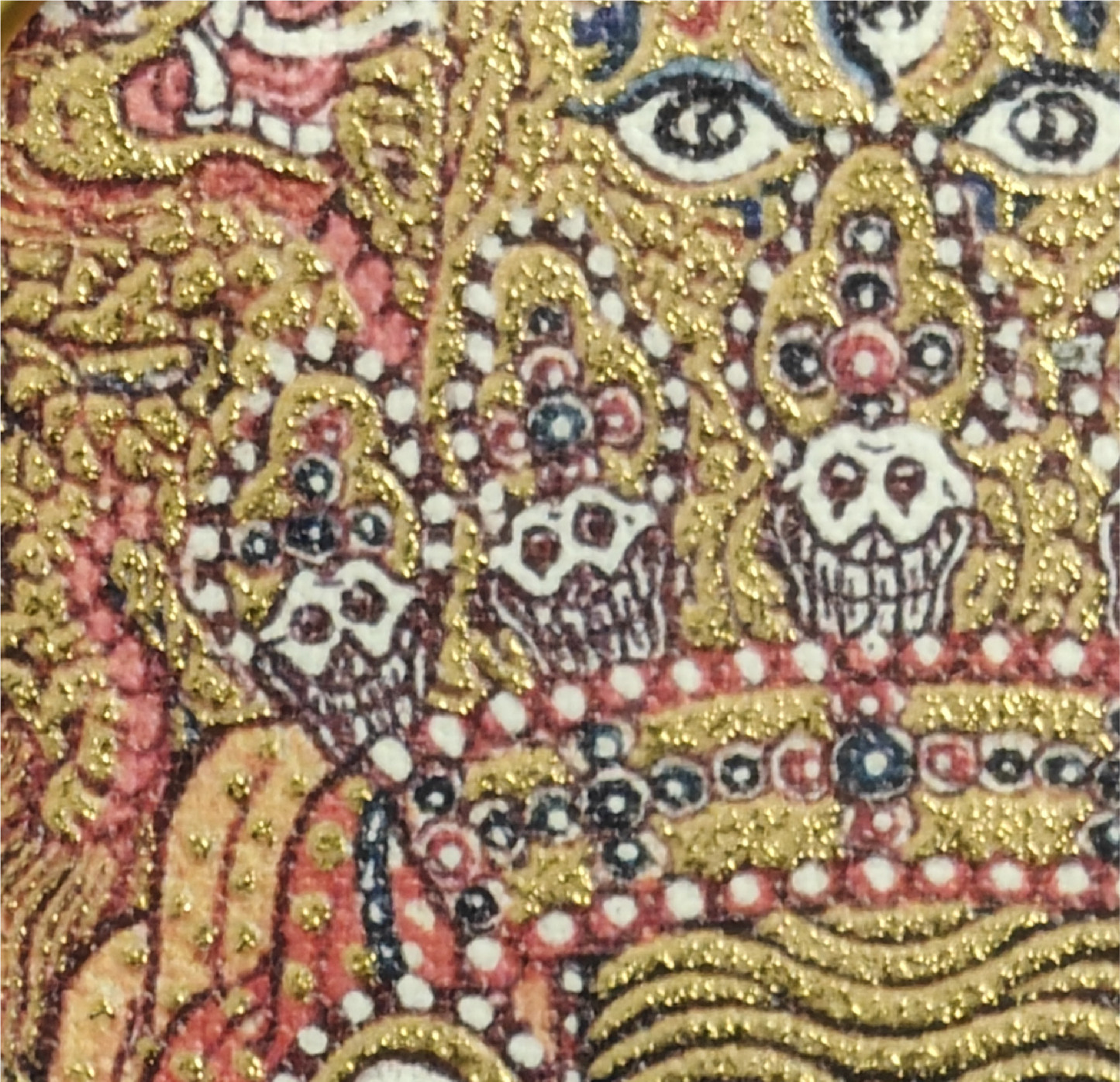
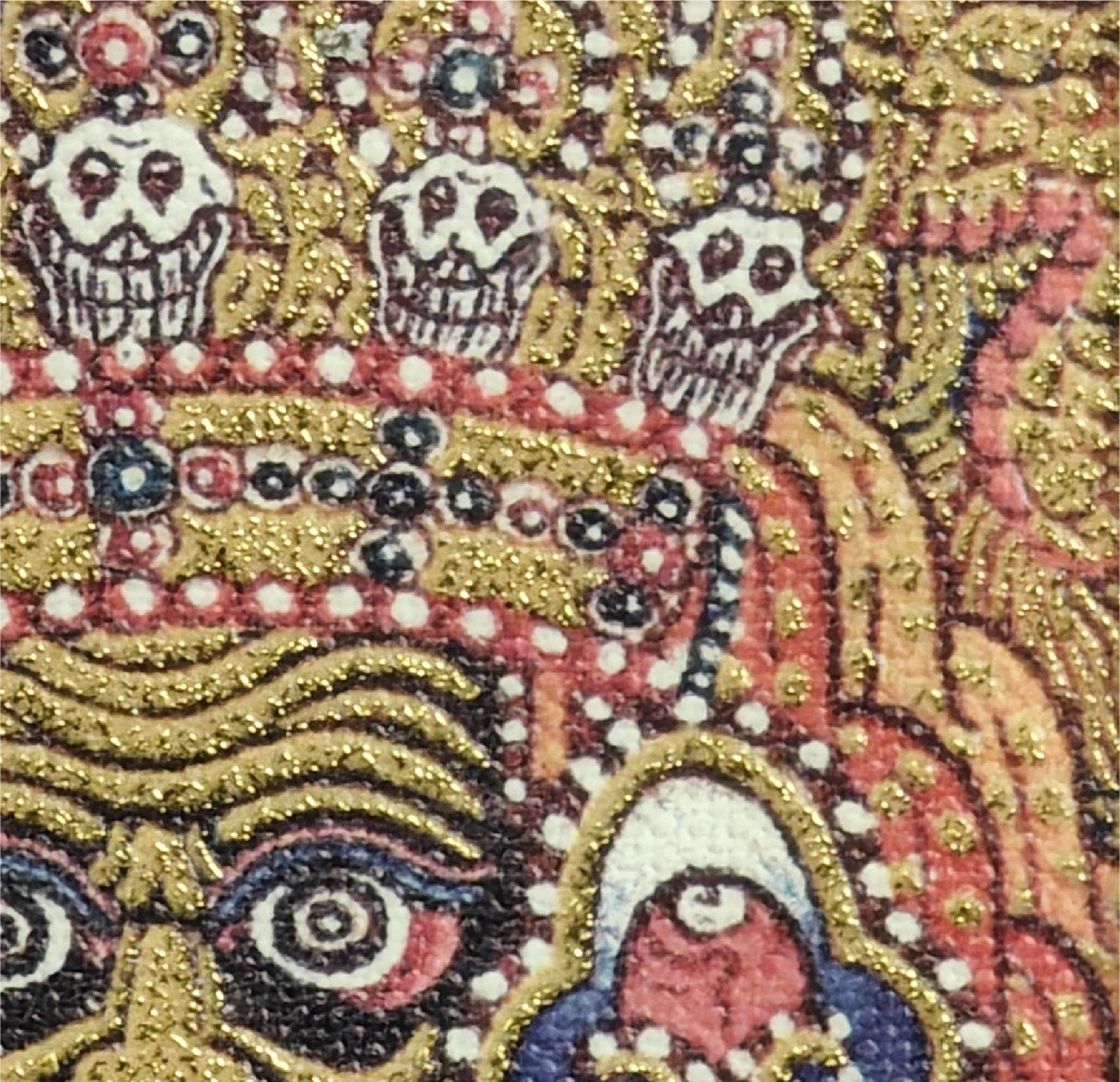
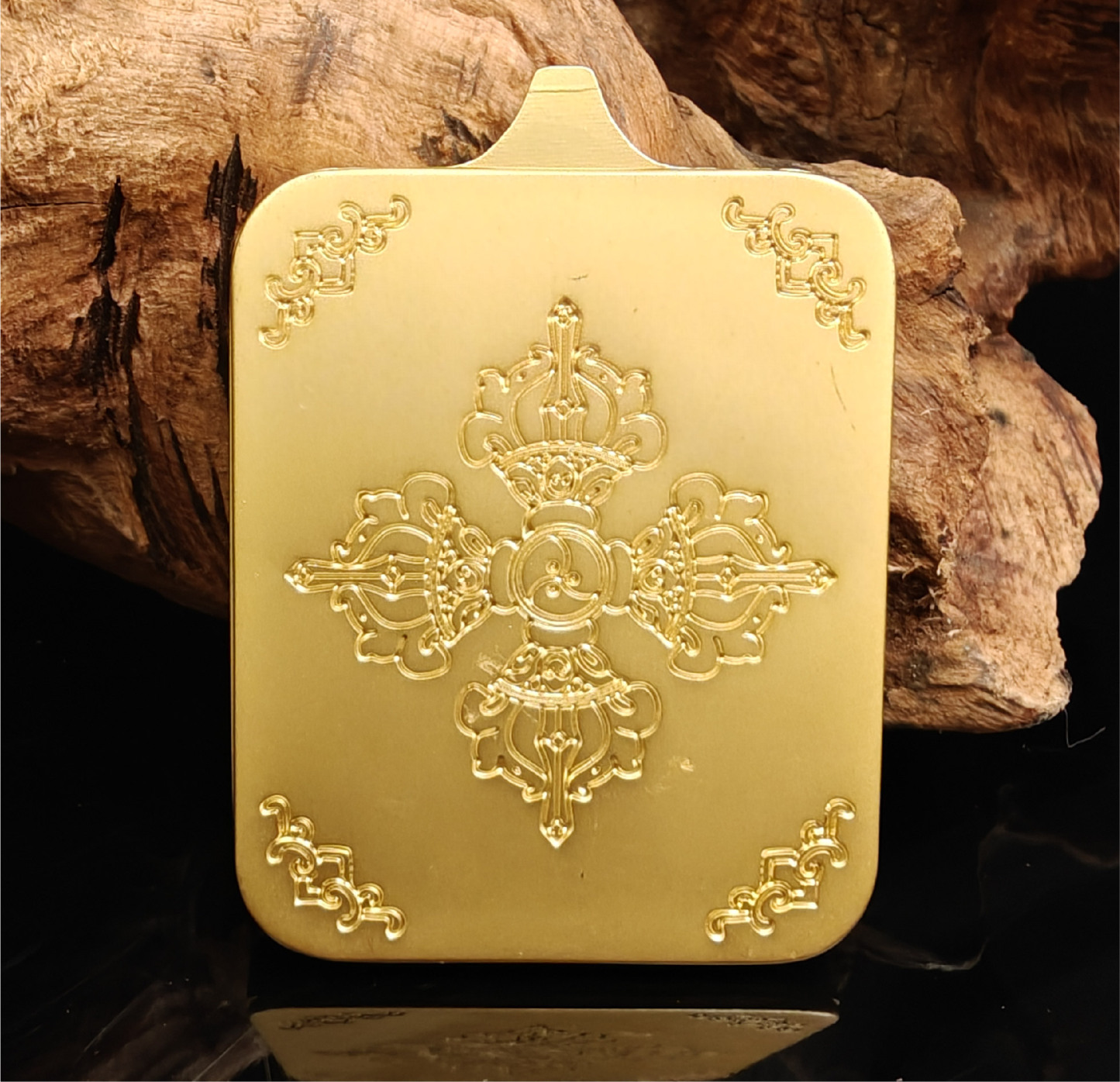
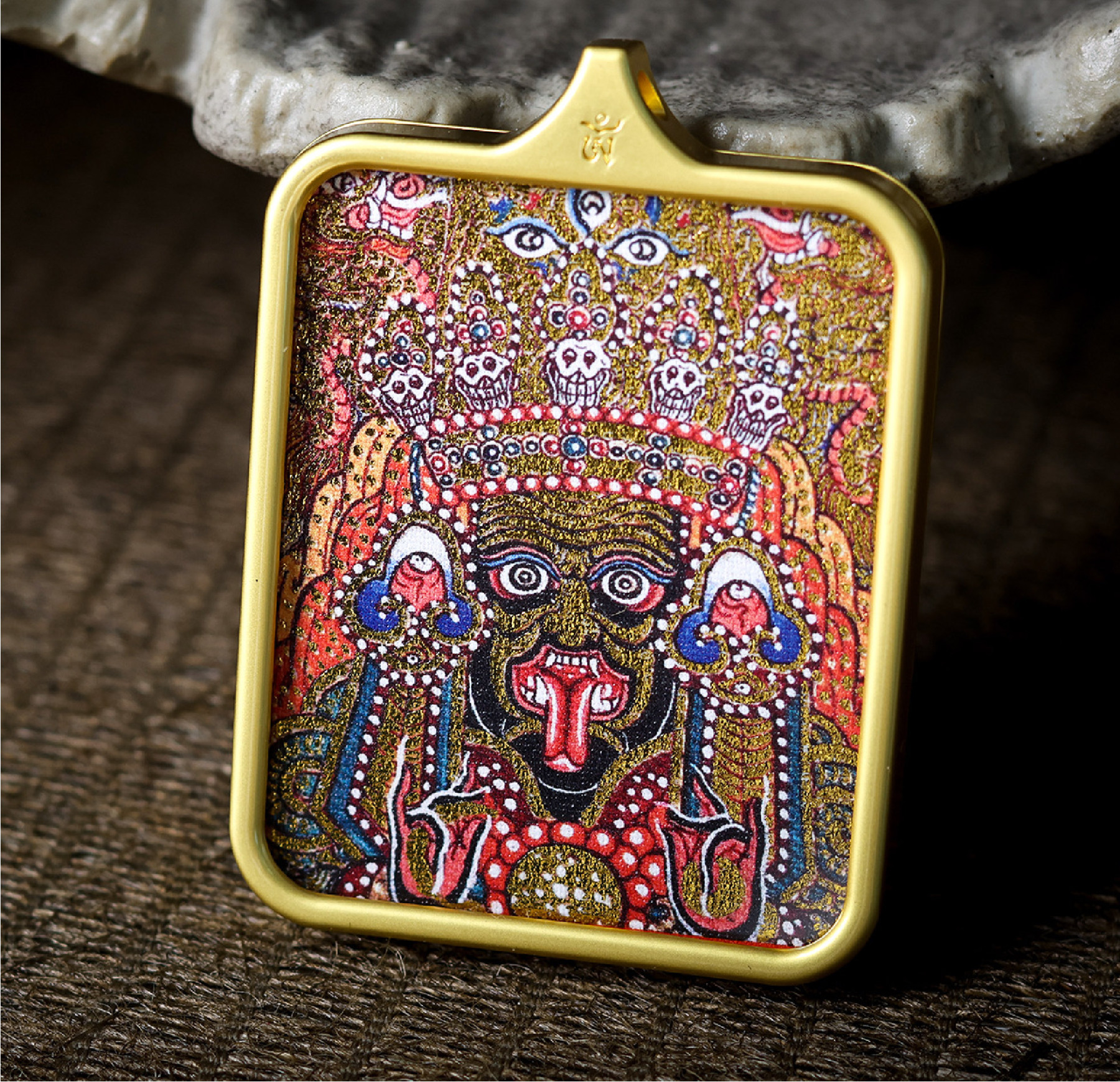
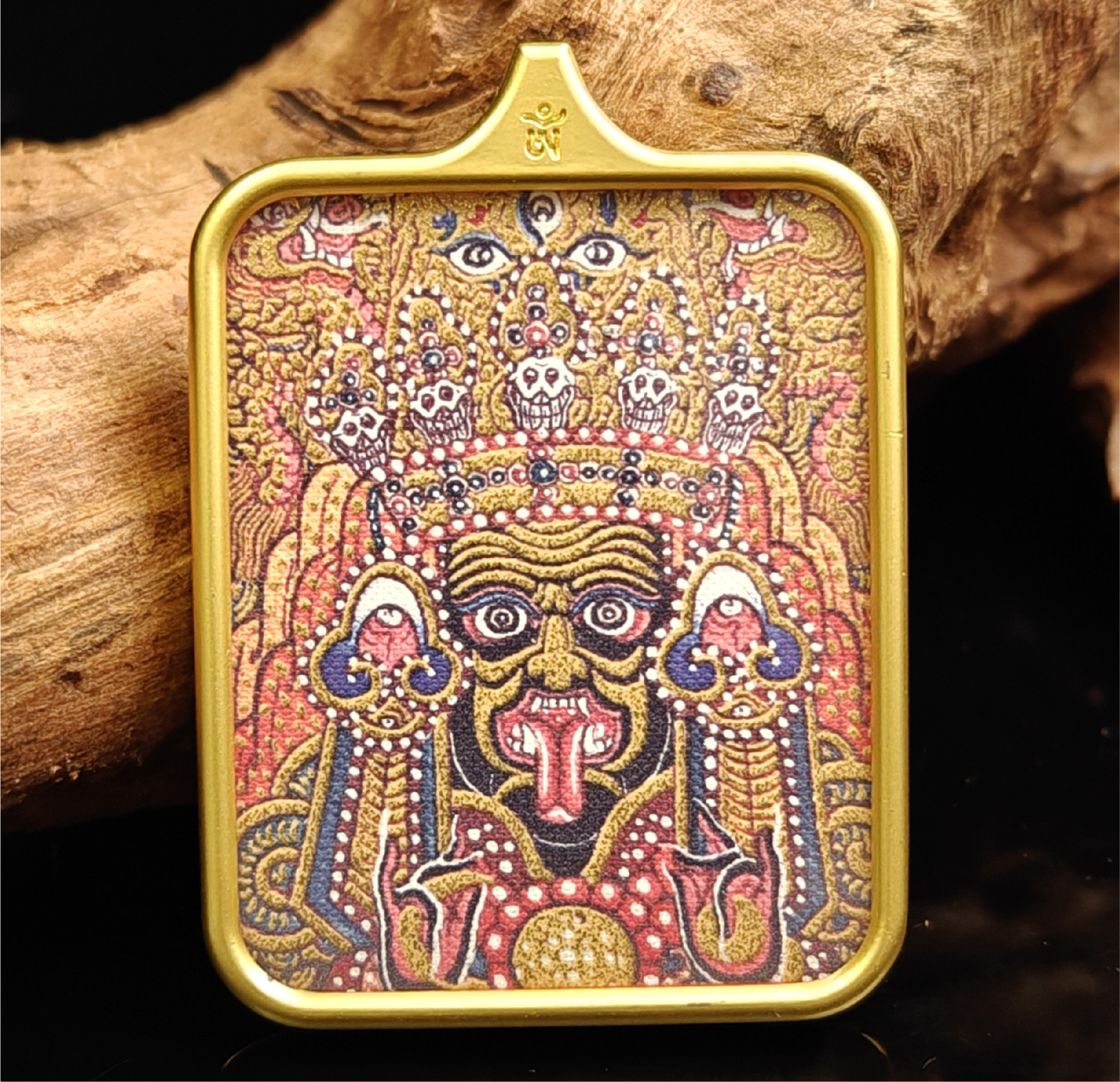
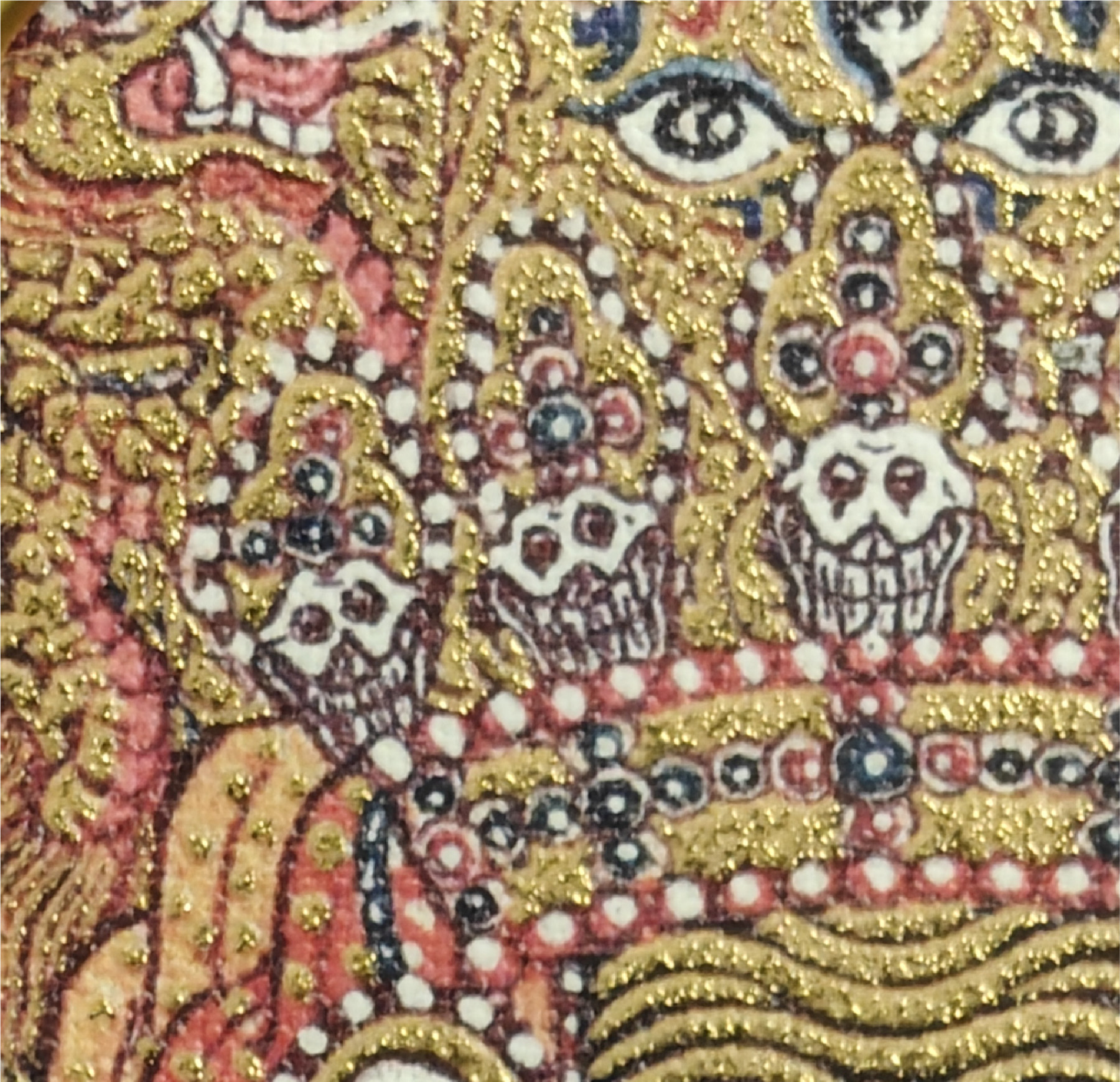
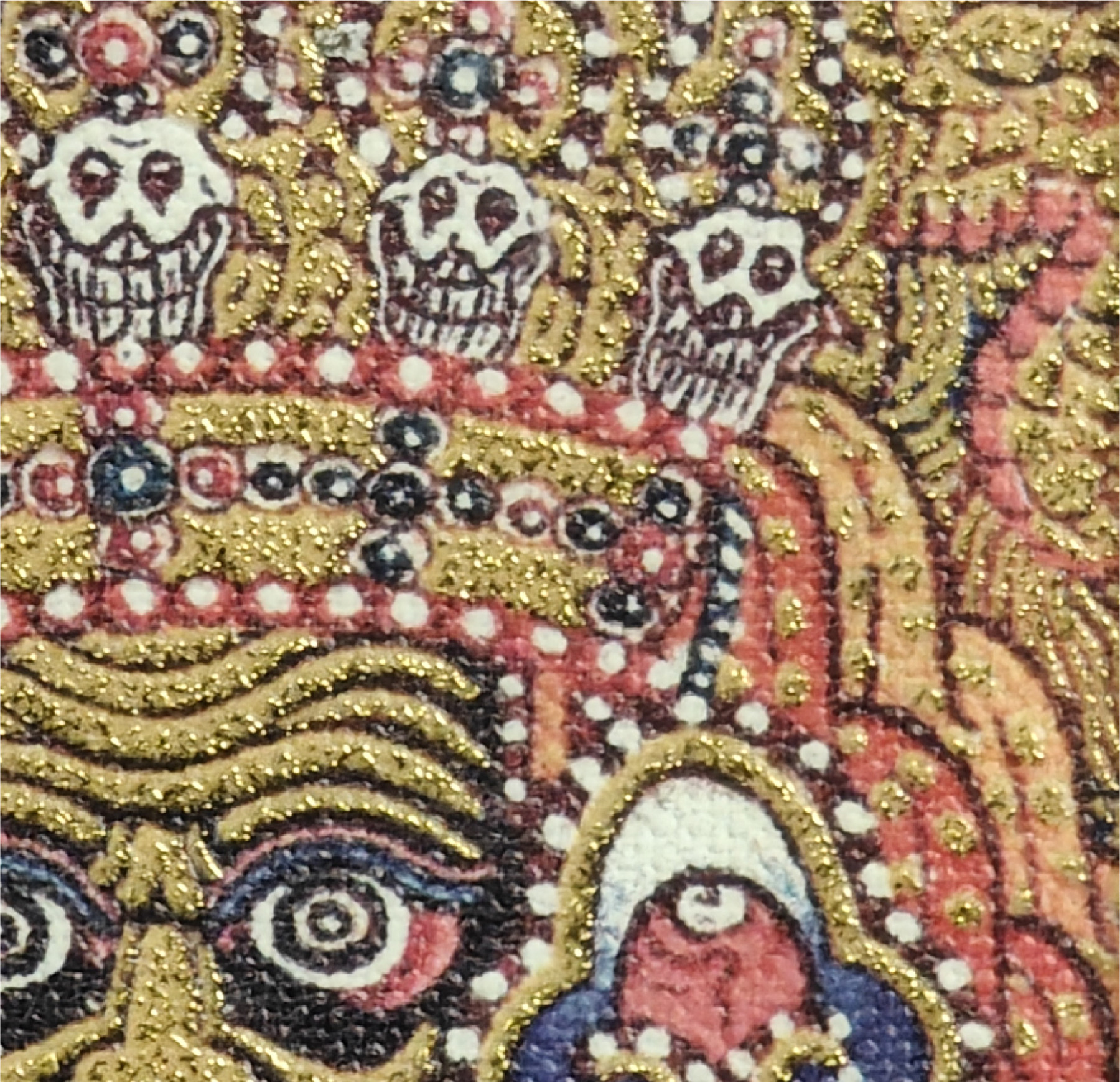
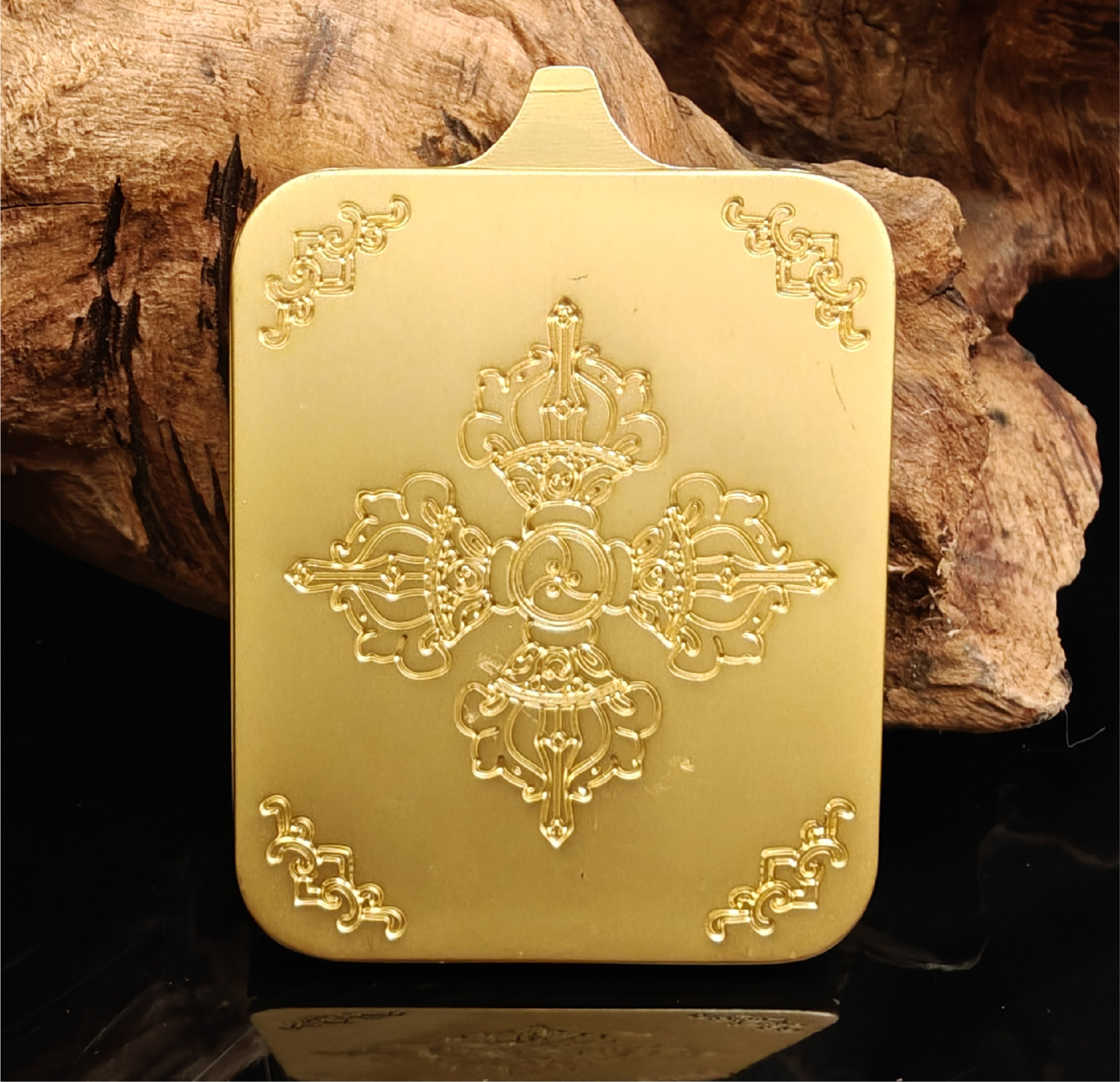
The Zagi Ram Thangka, with its delicate brushwork and sacred symbolism, brings the protection and blessings of Tibetan Buddhism to you.
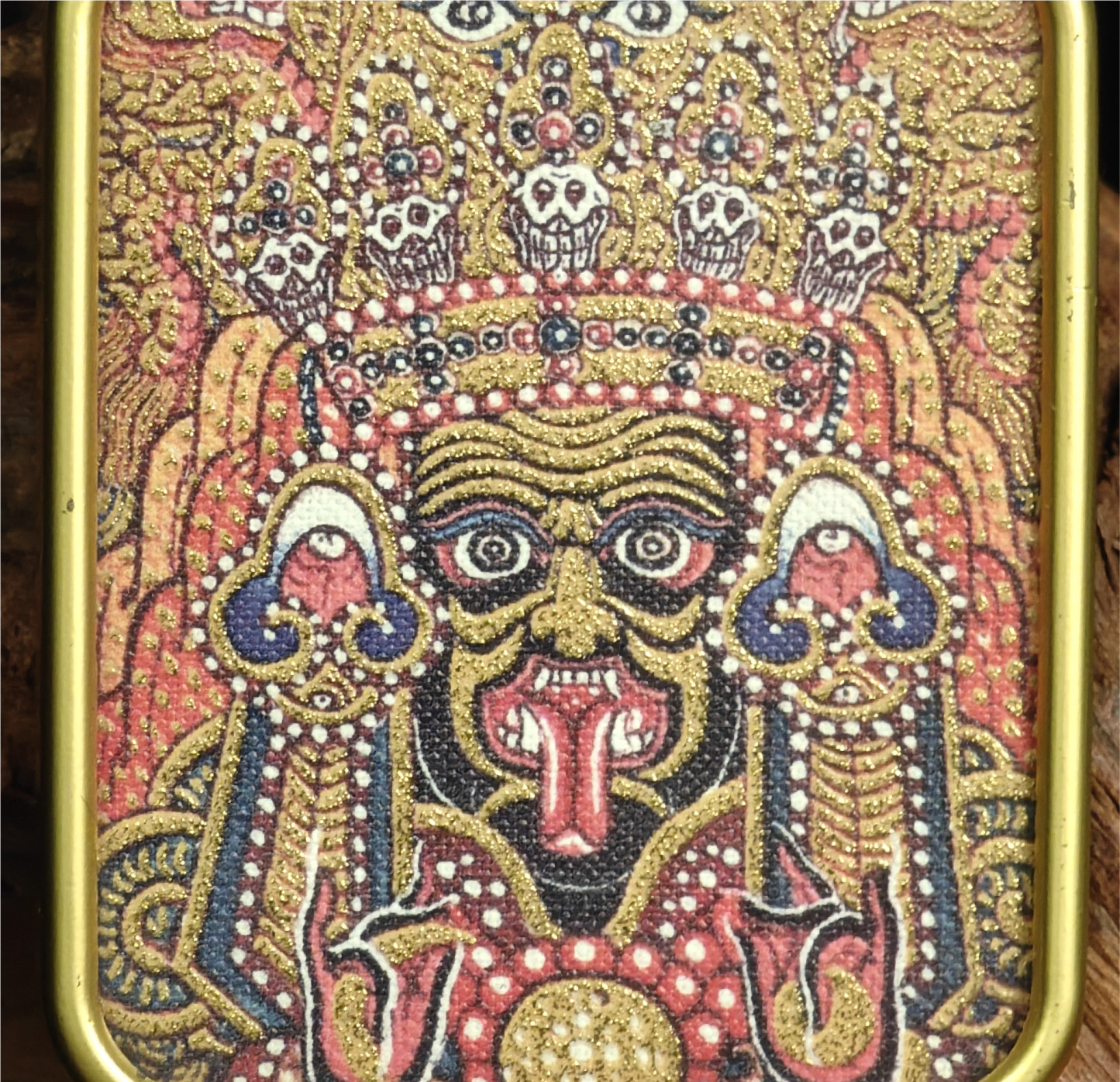
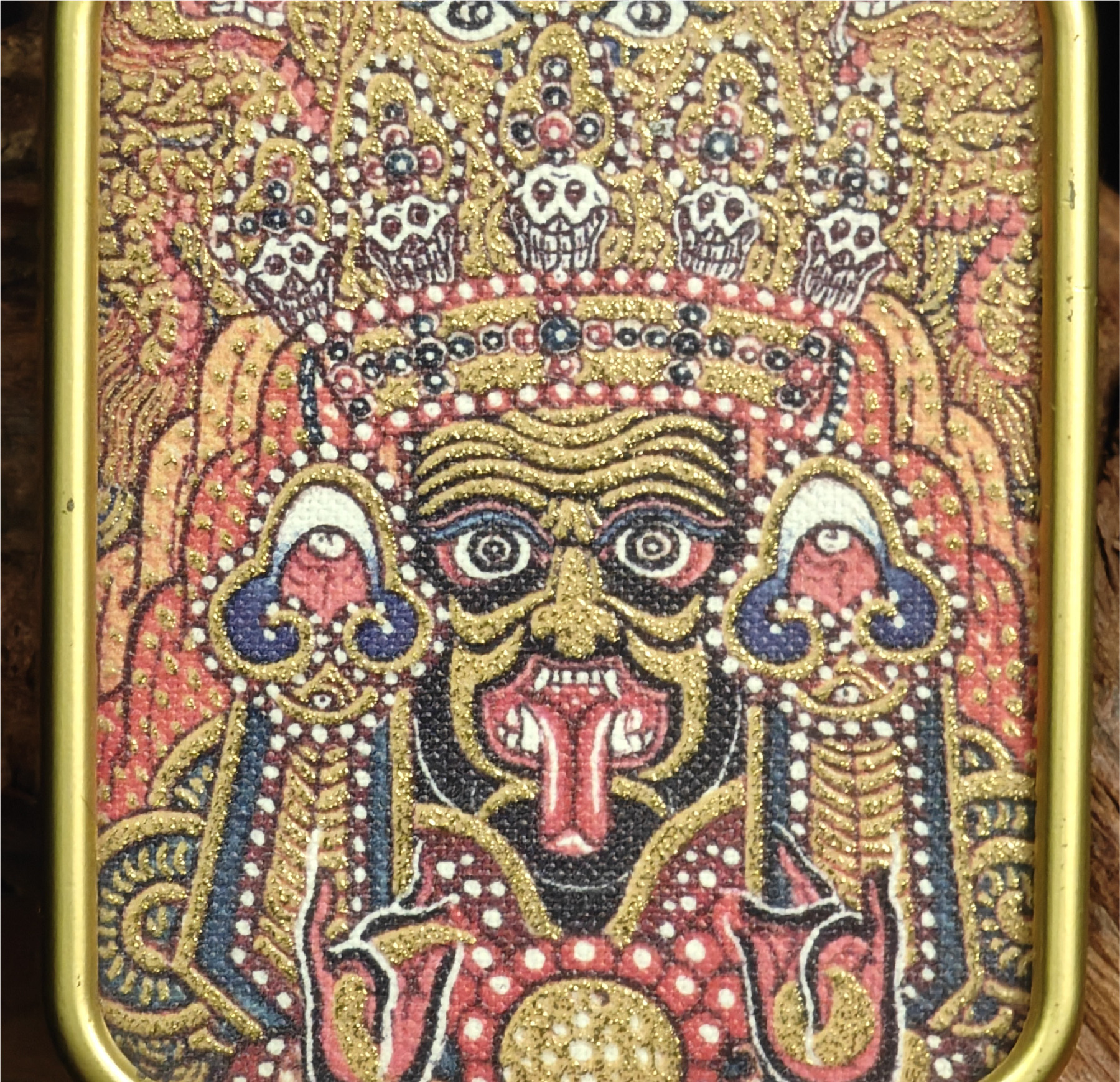
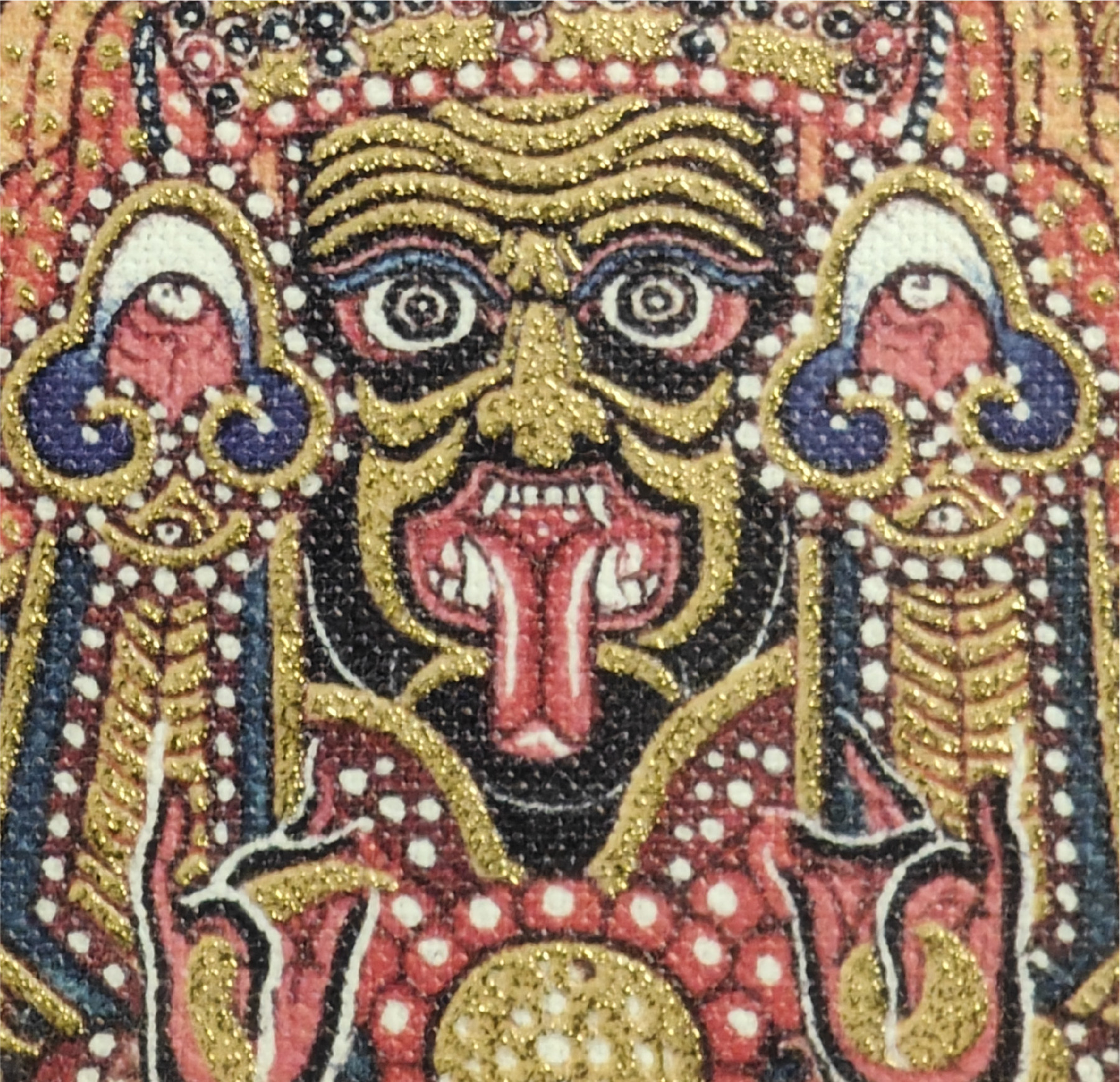
Each thangka is created by hand, encapsulating the artist's exquisite skills and devout heart in every piece. The flowing lines, intricate composition, and attention to detail reflect the artisan's dedication.
Zagi Ram is a special protector deity of the Gelug school of Tibetan Buddhism, enshrined in Zagi Monastery, a branch of Sera Monastery. According to legend, she was originally a goddess of the Han people and once a consort in the imperial court. After being poisoned due to court intrigues, her soul wandered the palace. She was later discovered by a high monk from Sera Monastery during a pilgrimage to Wutai Mountain, who chanted scriptures to offer her solace. Following the monk, she intended to go to Tibet but, due to various circumstances, could not enter Sera Monastery and had to remain in Zagi. The monk then built a temple here, gathering the faith of the local people, and named it "Zagi Ram." In Tibet, every Wednesday is considered an auspicious day to pay homage to Zagi Ram, where people bring white wine and hada to offer, praying for prosperous business and wealth accumulation.
Zagi Ram is a well-known deity of wealth in Tibet, possessing powerful abilities to attract and protect wealth, bringing prosperity and good fortune to those who worship her. At the same time, she is revered as a guardian deity, warding off evil spirits and disasters, ensuring family peace and health, and keeping misfortunes at bay.
- Gathering legitimate wealth: Zagi Ram is the deity governing legitimate wealth in the world. By worshiping this thangka, business customers can stabilize, salary increases can be realized at work, and worries about losing wealth can be alleviated.
- Protecting the home: It dispels negative energy within the home, prevents the intrusion of evil entities, safeguards family health, maintains peace in comings and goings, and keeps troubles and disasters away.
- Providing mental healing: The sacred aura of the thangka calms a restless mind, alleviates anxiety and stress, and helps maintain a calm and composed attitude in work and life, ensuring that opportunities are seized.
- Canvas treatment: The white cotton fabric from the Tibetan plateau undergoes multiple processes of "degreasing → stretching on a frame → applying glue → polishing" to ensure the canvas's flatness and smoothness, allowing for even absorption of paint colors.
- Paint mixing: Natural minerals are manually ground into powder and mixed with animal glue, resulting in rich and vibrant colors that combine spirituality and texture.
- Hand-painting process: The artist follows Tibetan Buddhist rituals, lighting incense and offering prayers before creating, drawing lines with heartfelt intention. The expressions of the figures are solemn and compassionate, and the folds of the garments are depicted fluidly and vividly, with the power of faith embedded in every detail.
- Avoid direct sunlight, as it can cause the paint to fade.
- Keep the indoor environment dry to prevent the thangka from absorbing moisture and developing mold.
- If cleaning is necessary, gently wipe with a clean, soft cloth. Washing with water is strictly prohibited.