

Thangka Tribe
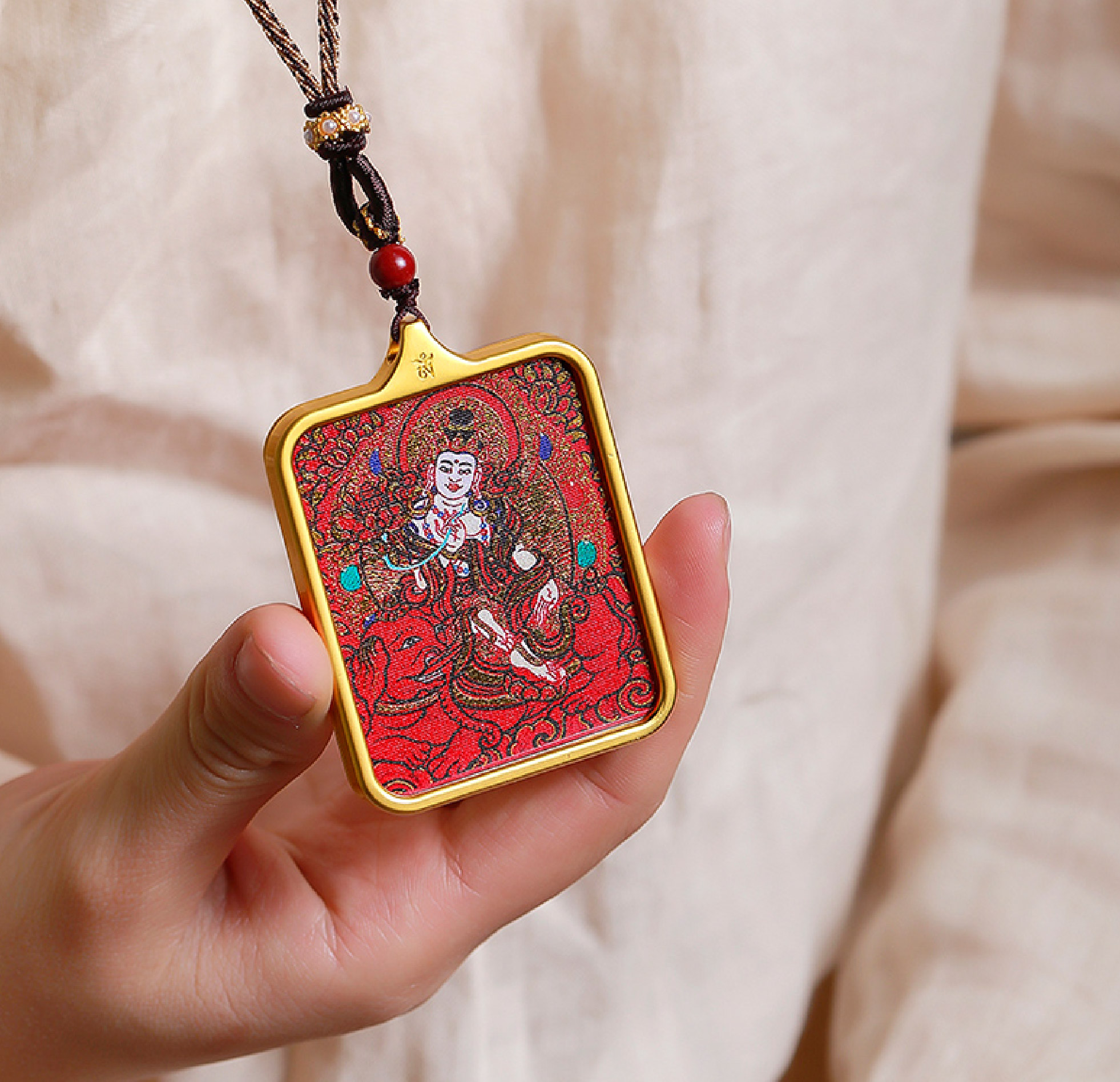
Welcome to Tangka Tribe
Religious culture
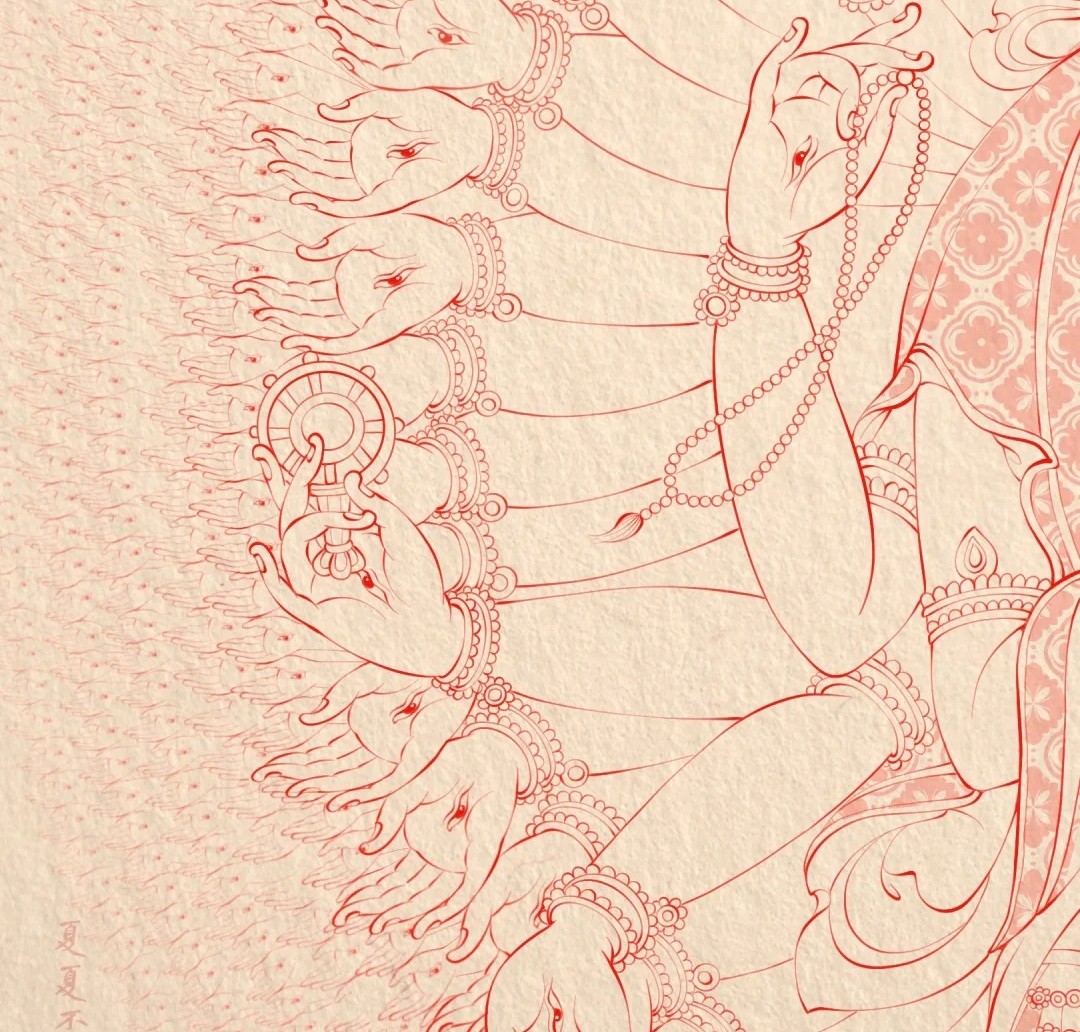
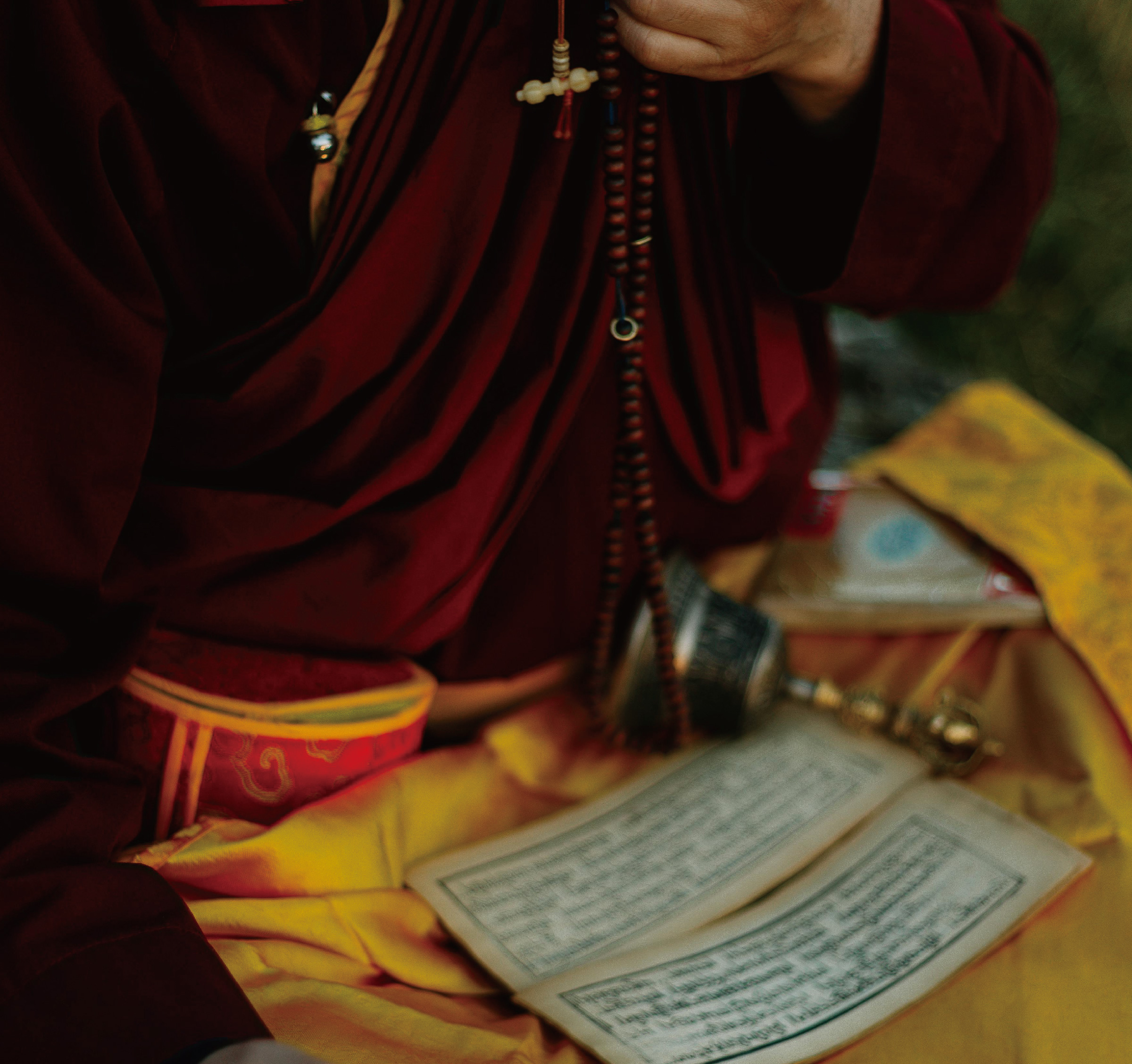
The thangka necklace is mainly derived from Tibetan Buddhism. The designs depicted on the necklace often feature Buddhist deities, statues, mandalas, and are believed to bring protection and happiness to the believers. Additionally, practitioners use the thangka necklace for meditation, helping them to realize the essence of the Buddha's teachings.
Arts and Culture
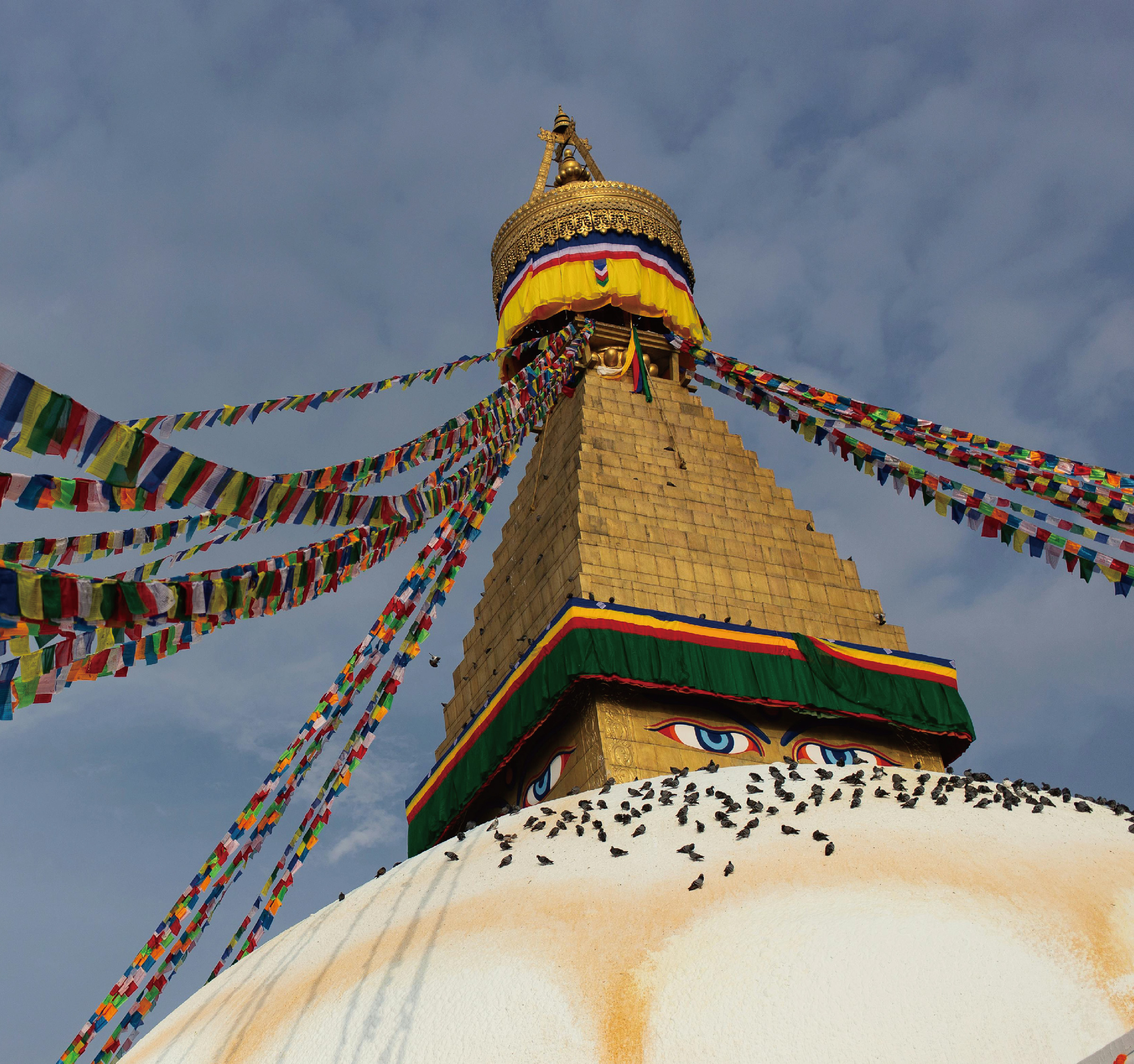
Thangka is a unique form of painting art specific to the Tibetan people, with a long history and deep artistic strength. Thangka necklaces are a miniature and decorative version of Thangka art, inheriting fine and precise manufacturing techniques. The colors, painted using materials like gemstone powder, are vibrant and long-lasting.
Symbolic Culture
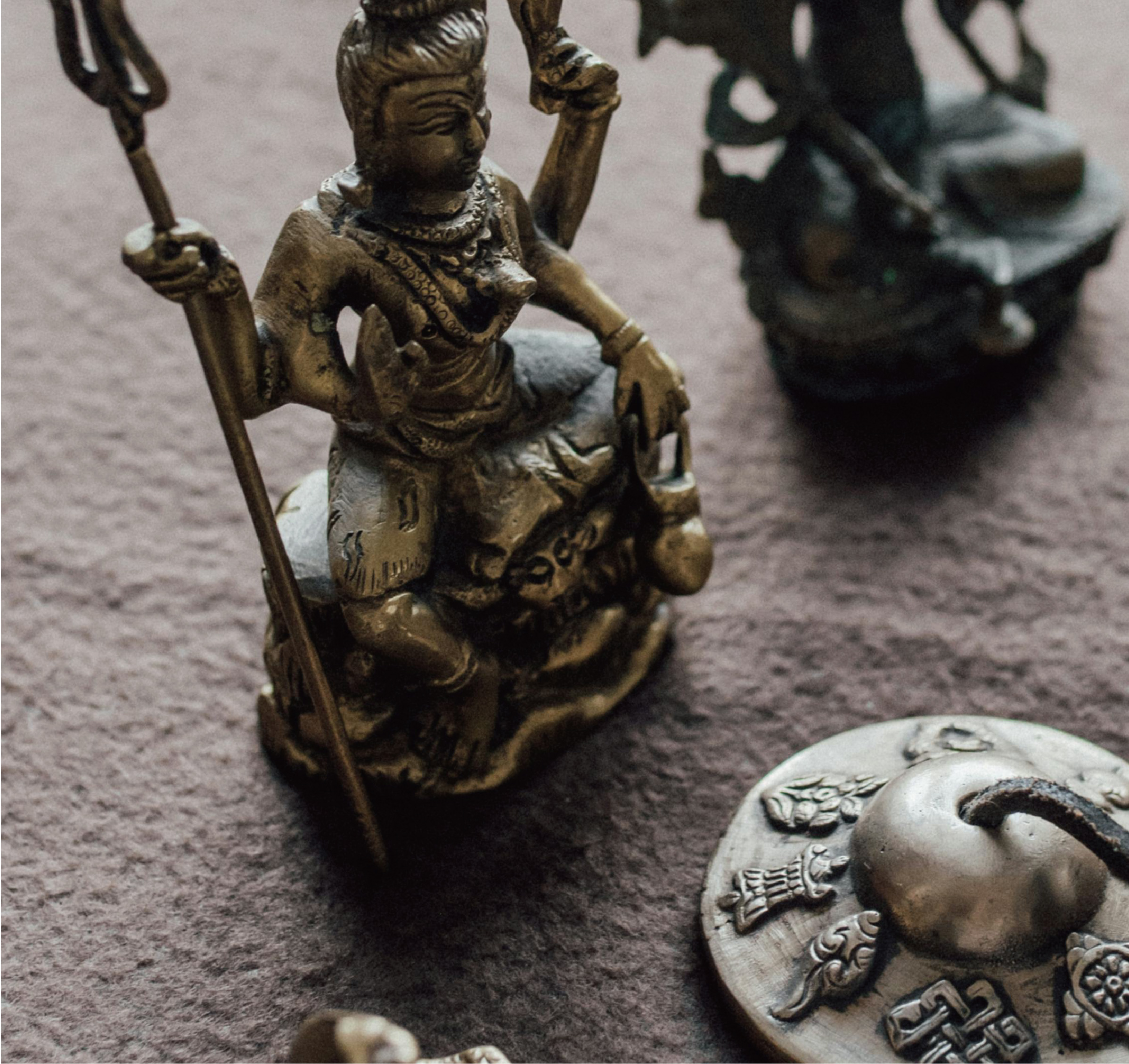
The tank necklace is also a bearer of cultural exchange for the Tibetan people. It allows people around the world to appreciate the charm of Tibetan Buddhist culture and tank art, promoting exchange and integration between different cultures. Additionally, it holds significant meaning as a family heirloom, passing down the family's history and emotions across generations.
New Arrivals
NEW ARRIVALS
-
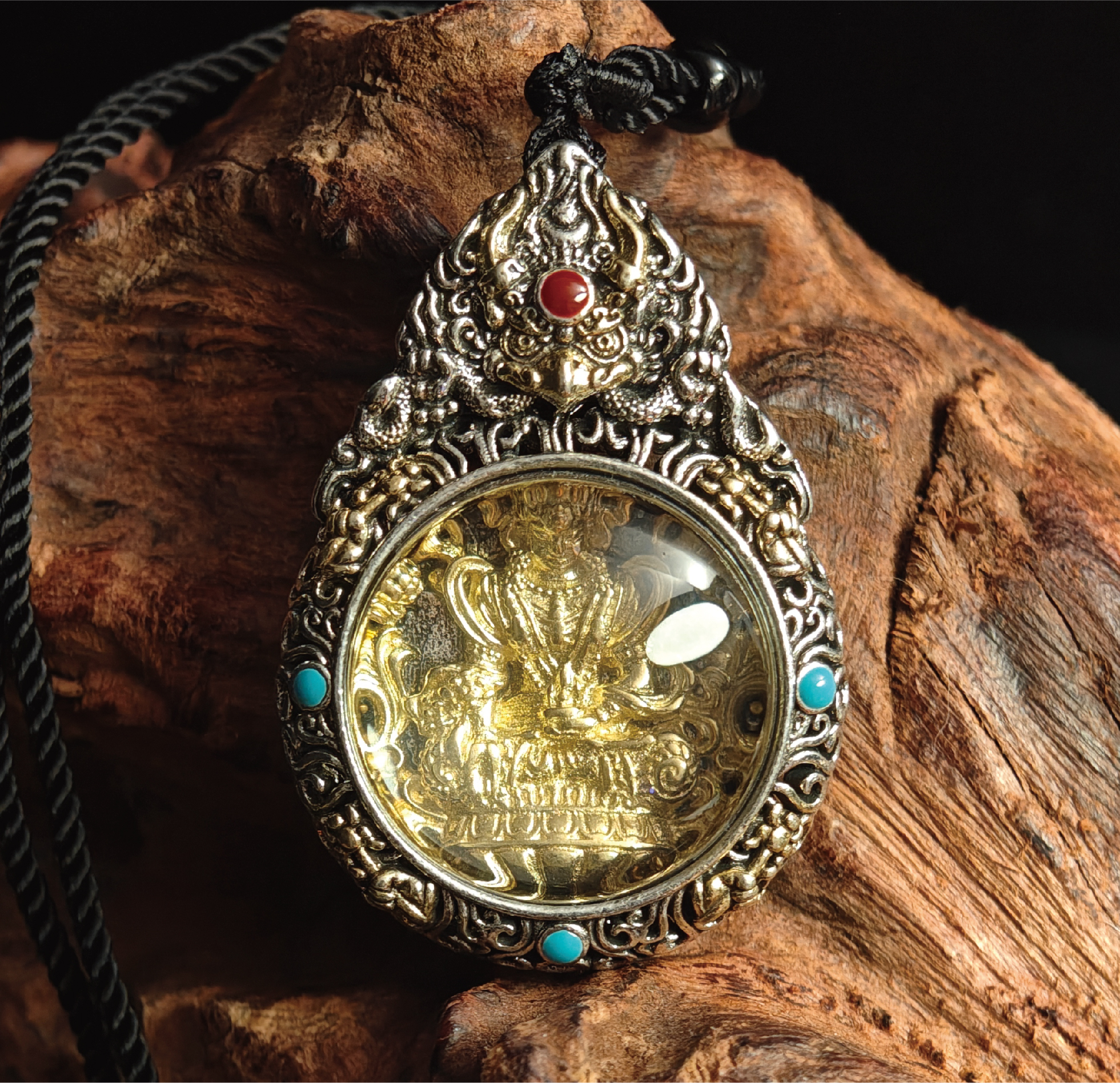
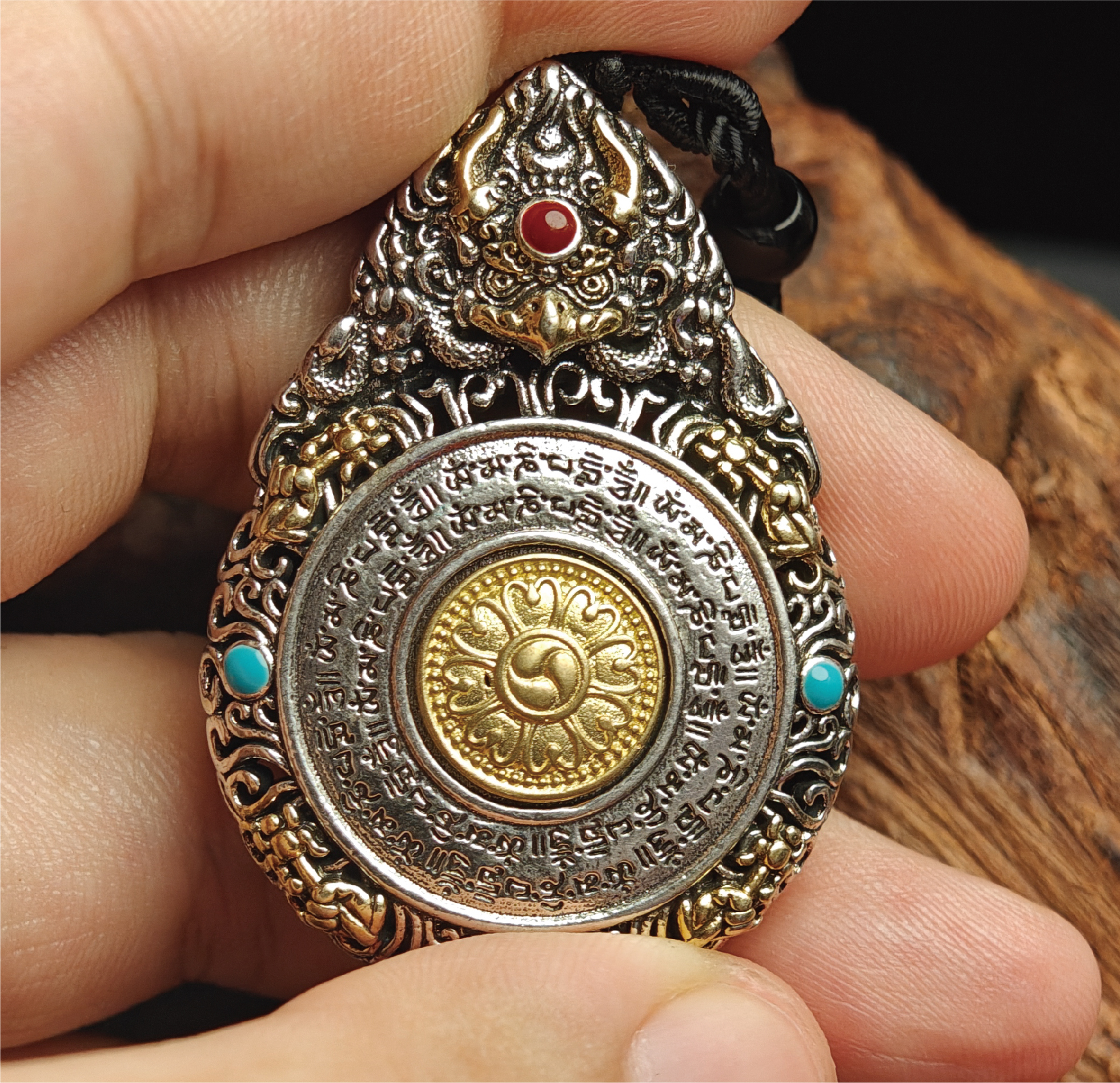
Garuda sculpture of Tibetan Esoteric Buddhism, Han-style Yakushi Nyorai (Kanden Yakushi Butsu) thangka pendant / electroplated pure silver, with cord, droplet shape
 On sale
Garuda sculpture of Tibetan Esoteric Buddhism, Han-style Yakushi Nyorai (Kanden Yakushi Butsu) thangka pendant / electroplated pure silver, with cord, droplet shape
¥4,600 JPY ¥9,200 JPY -
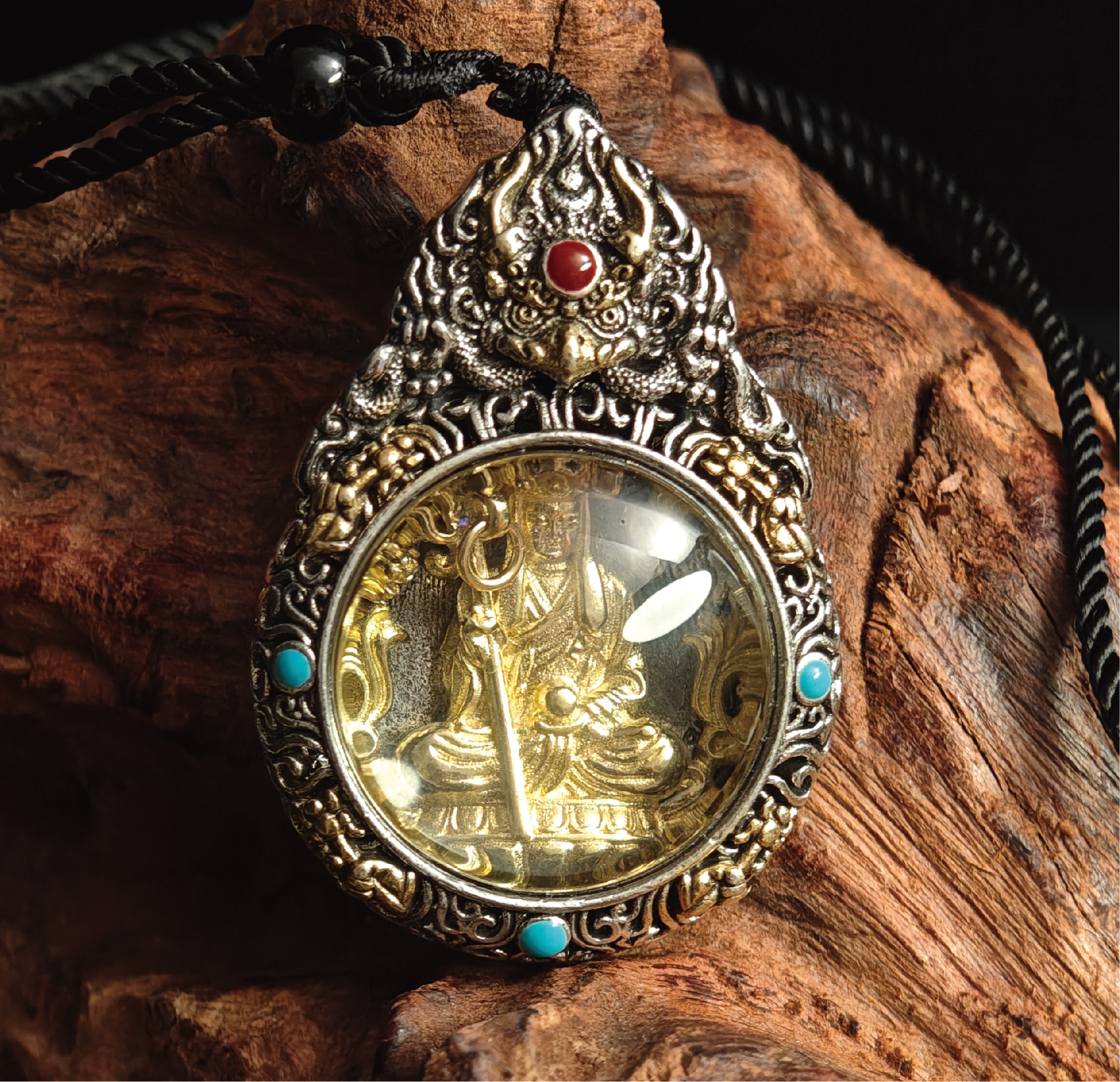
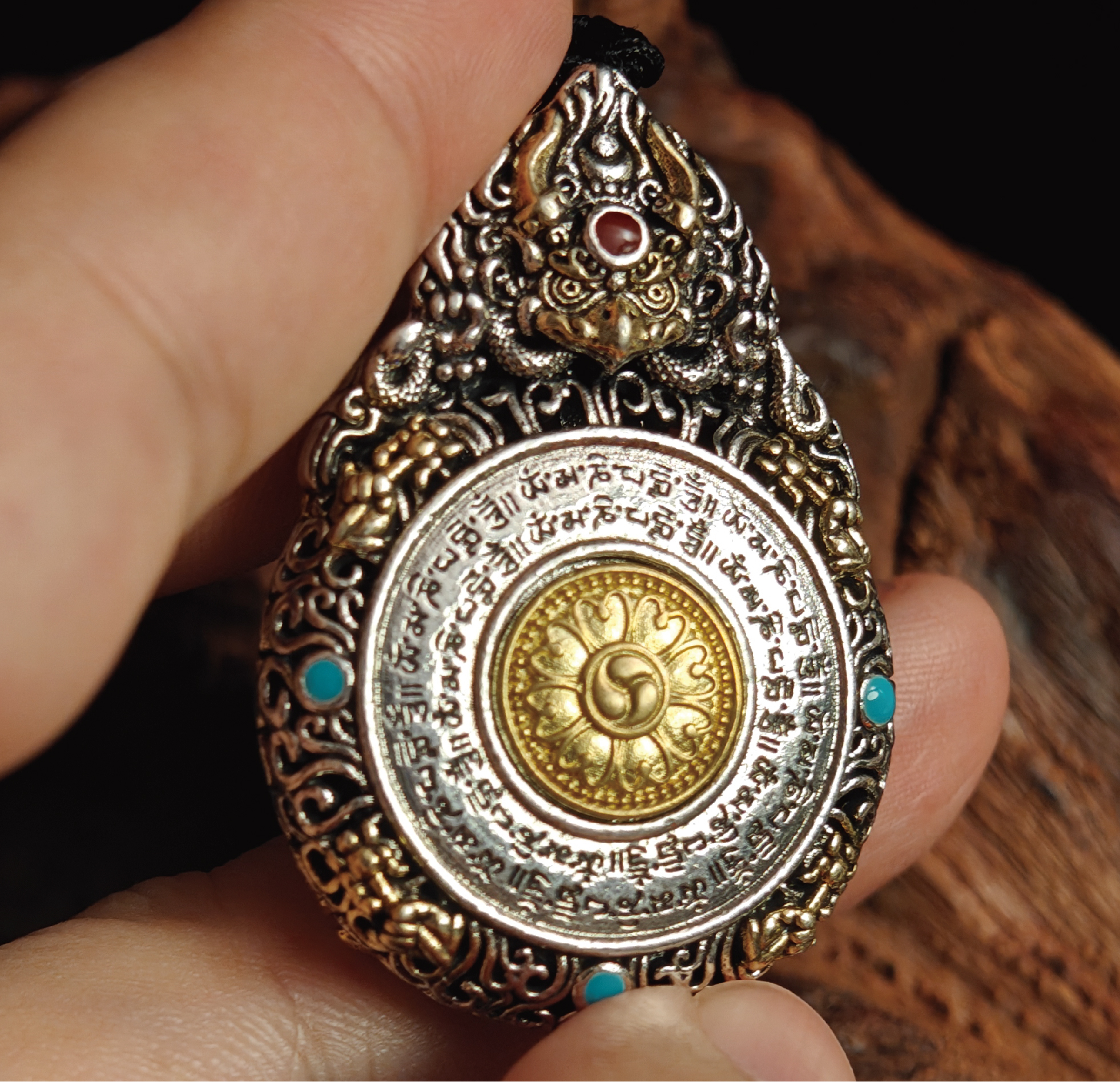
Garuda sculpture of Tibetan Esoteric Buddhism, Jizō (Kṣitigarbha) Tanka pendant / Electroplated pure silver, with cord, droplet shape
 On sale
Garuda sculpture of Tibetan Esoteric Buddhism, Jizō (Kṣitigarbha) Tanka pendant / Electroplated pure silver, with cord, droplet shape
¥4,600 JPY ¥9,200 JPY -
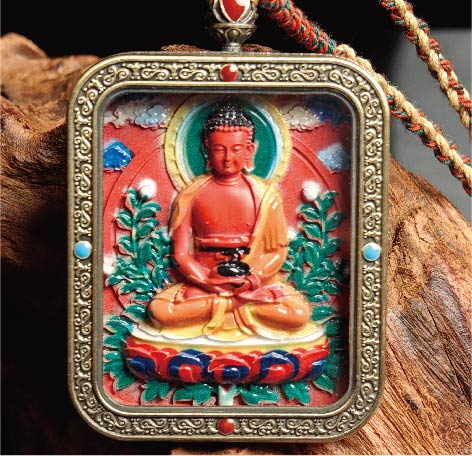
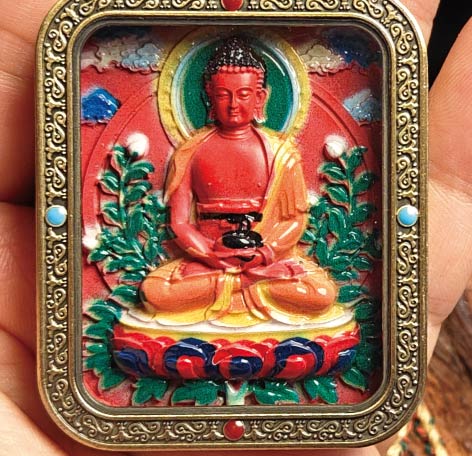
Thangka pendant of the legendary Amida Buddha / Red sand painting, three-dimensional carving, approximately 47mm x 57mm, double-sided design, with cord.
 On sale
Thangka pendant of the legendary Amida Buddha / Red sand painting, three-dimensional carving, approximately 47mm x 57mm, double-sided design, with cord.
¥4,500 JPY ¥9,000 JPY -
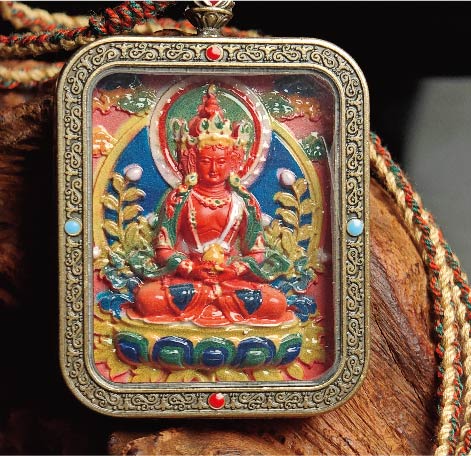
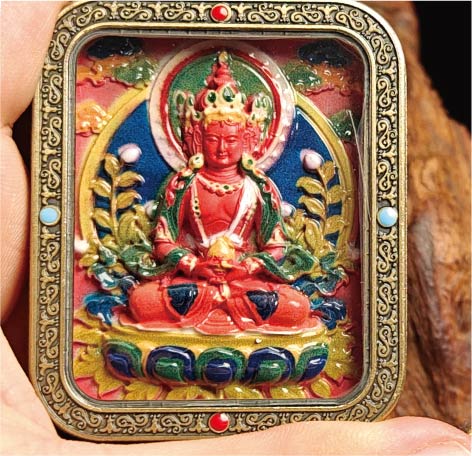
Thangka pendant of Dainichi Nyorai (Vairocana Buddha) from the ancient tradition / Red sand painting, three-dimensional carving, approximately 47mm x 57mm, double-sided design, with cord.
 On sale
Thangka pendant of Dainichi Nyorai (Vairocana Buddha) from the ancient tradition / Red sand painting, three-dimensional carving, approximately 47mm x 57mm, double-sided design, with cord.
¥4,500 JPY ¥9,000 JPY -
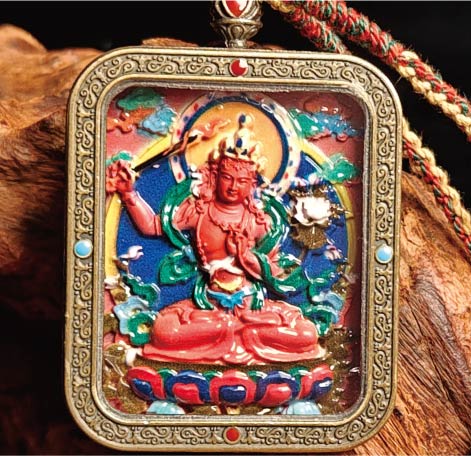
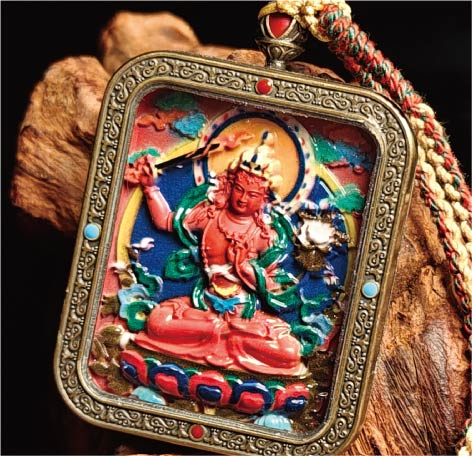
Thangka pendant of Manjushri Bodhisattva (from the Tang Dynasty tradition) / Red sand painting, three-dimensional carving, approximately 47mm x 57mm, double-sided design, with cord.
 On sale
Thangka pendant of Manjushri Bodhisattva (from the Tang Dynasty tradition) / Red sand painting, three-dimensional carving, approximately 47mm x 57mm, double-sided design, with cord.
¥4,500 JPY ¥9,000 JPY -
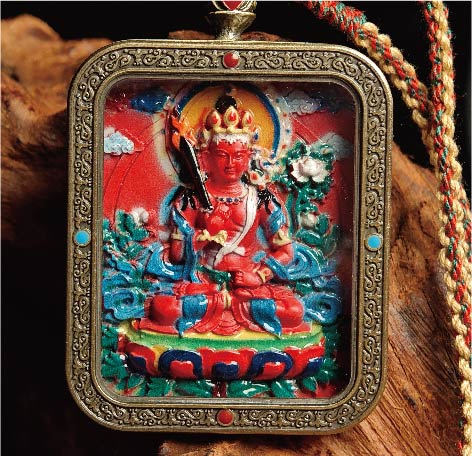
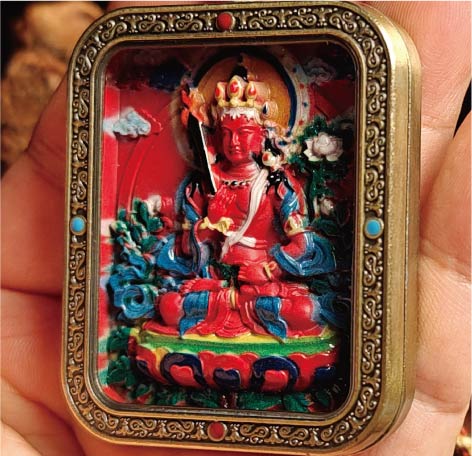
Thangka pendant of the Bodhisattva Kokuzo (Akasagarbha Bodhisattva) / Red sand painting, three-dimensional sculpture, approximately 47mm x 57mm, double-sided design, with cord.
 On sale
Thangka pendant of the Bodhisattva Kokuzo (Akasagarbha Bodhisattva) / Red sand painting, three-dimensional sculpture, approximately 47mm x 57mm, double-sided design, with cord.
¥4,500 JPY ¥9,000 JPY -
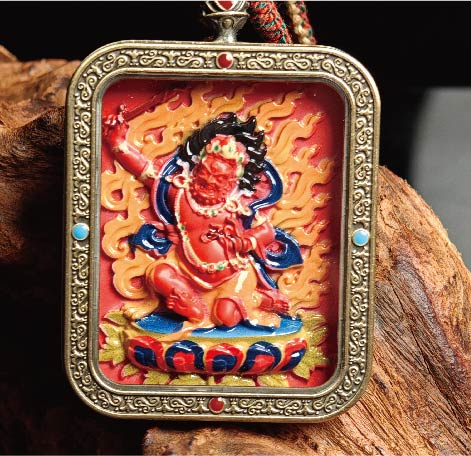
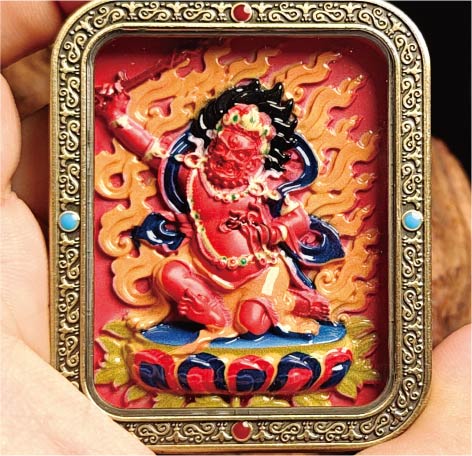
Thangka pendant of Fudo Myoo (Acala), depicting the ancient monk of the Kurano family. Features include red sand painting, three-dimensional carving, approximately 47mm x 57mm, double-sided design, and a cord.
 On sale
Thangka pendant of Fudo Myoo (Acala), depicting the ancient monk of the Kurano family. Features include red sand painting, three-dimensional carving, approximately 47mm x 57mm, double-sided design, and a cord.
¥4,500 JPY ¥9,000 JPY -
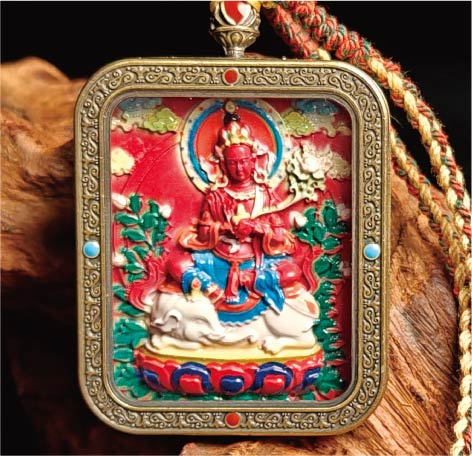
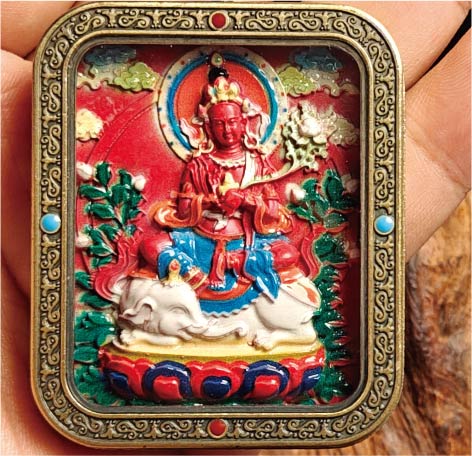
Thangka pendant of Samantabhadra Bodhisattva / Red sand painting, three-dimensional carving, approximately 47mm x 57mm, double-sided design, with cord.
 On sale
Thangka pendant of Samantabhadra Bodhisattva / Red sand painting, three-dimensional carving, approximately 47mm x 57mm, double-sided design, with cord.
¥4,500 JPY ¥9,000 JPY -
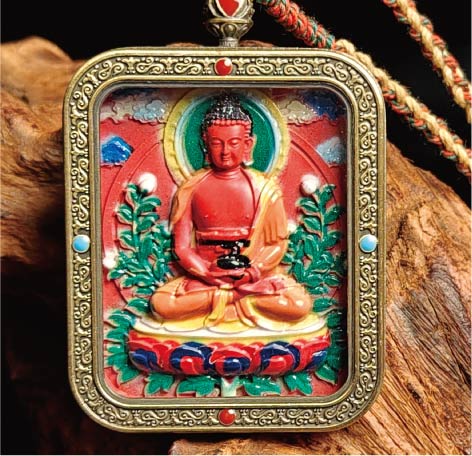
Thangka pendant of the legendary Amida Buddha / Red sand painting, three-dimensional carving, approximately 47mm x 57mm, double-sided design, with cord.
 On sale
Thangka pendant of the legendary Amida Buddha / Red sand painting, three-dimensional carving, approximately 47mm x 57mm, double-sided design, with cord.
¥4,500 JPY ¥9,000 JPY -
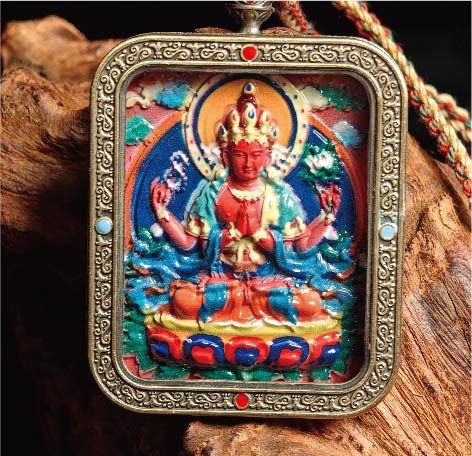
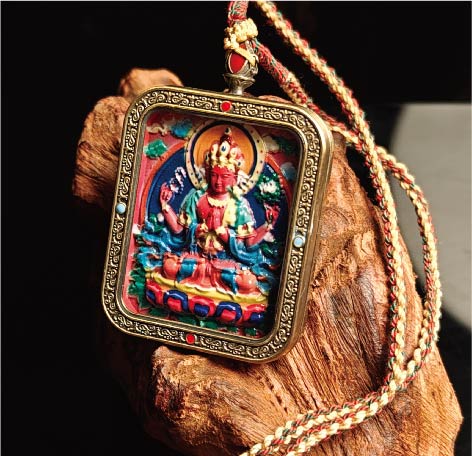
Thangka pendant of the four-armed Kannon from the Tang Dynasty / Red sand painting, three-dimensional sculpture, approximately 47mm x 57mm, double-sided design, with cord.
 On sale
Thangka pendant of the four-armed Kannon from the Tang Dynasty / Red sand painting, three-dimensional sculpture, approximately 47mm x 57mm, double-sided design, with cord.
¥4,500 JPY ¥9,000 JPY -
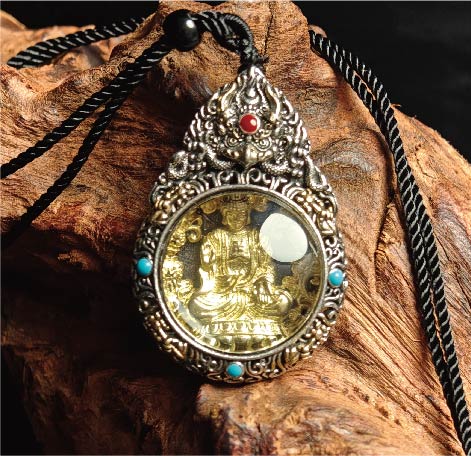
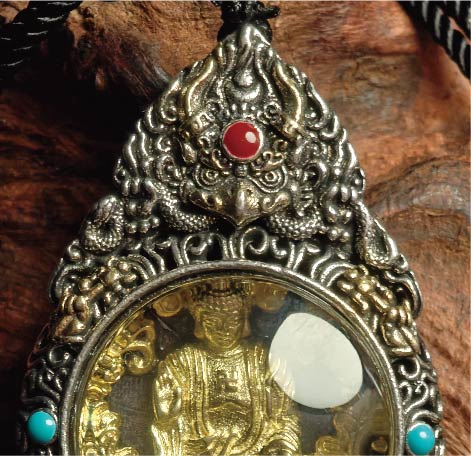
Tibetan Tantric Buddhism Garuda motif, thangka pendant of Dainichi Nyorai (Vairocana Buddha) / Electroplated pure silver, with cord, teardrop shape
 On sale
Tibetan Tantric Buddhism Garuda motif, thangka pendant of Dainichi Nyorai (Vairocana Buddha) / Electroplated pure silver, with cord, teardrop shape
¥4,600 JPY ¥9,200 JPY -
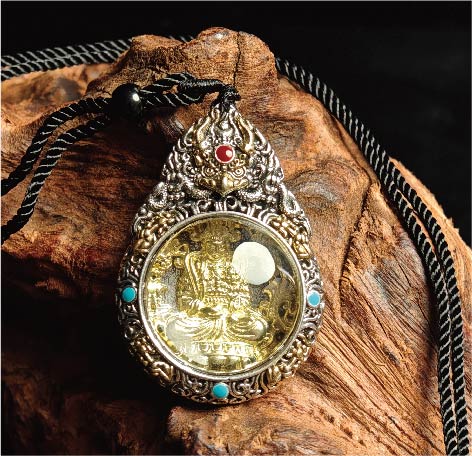
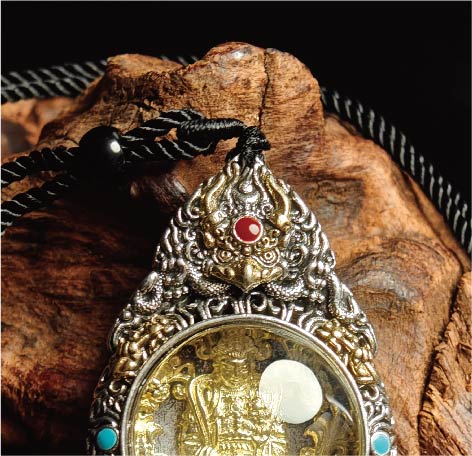
Tibetan Buddhist Garuda and Mahasthamaprapta Thangka pendant / Electroplated pure silver, with cord, teardrop shape
 On sale
Tibetan Buddhist Garuda and Mahasthamaprapta Thangka pendant / Electroplated pure silver, with cord, teardrop shape
¥4,600 JPY ¥9,200 JPY
Tangka, a traditional Tibetan Buddhist scepter
-
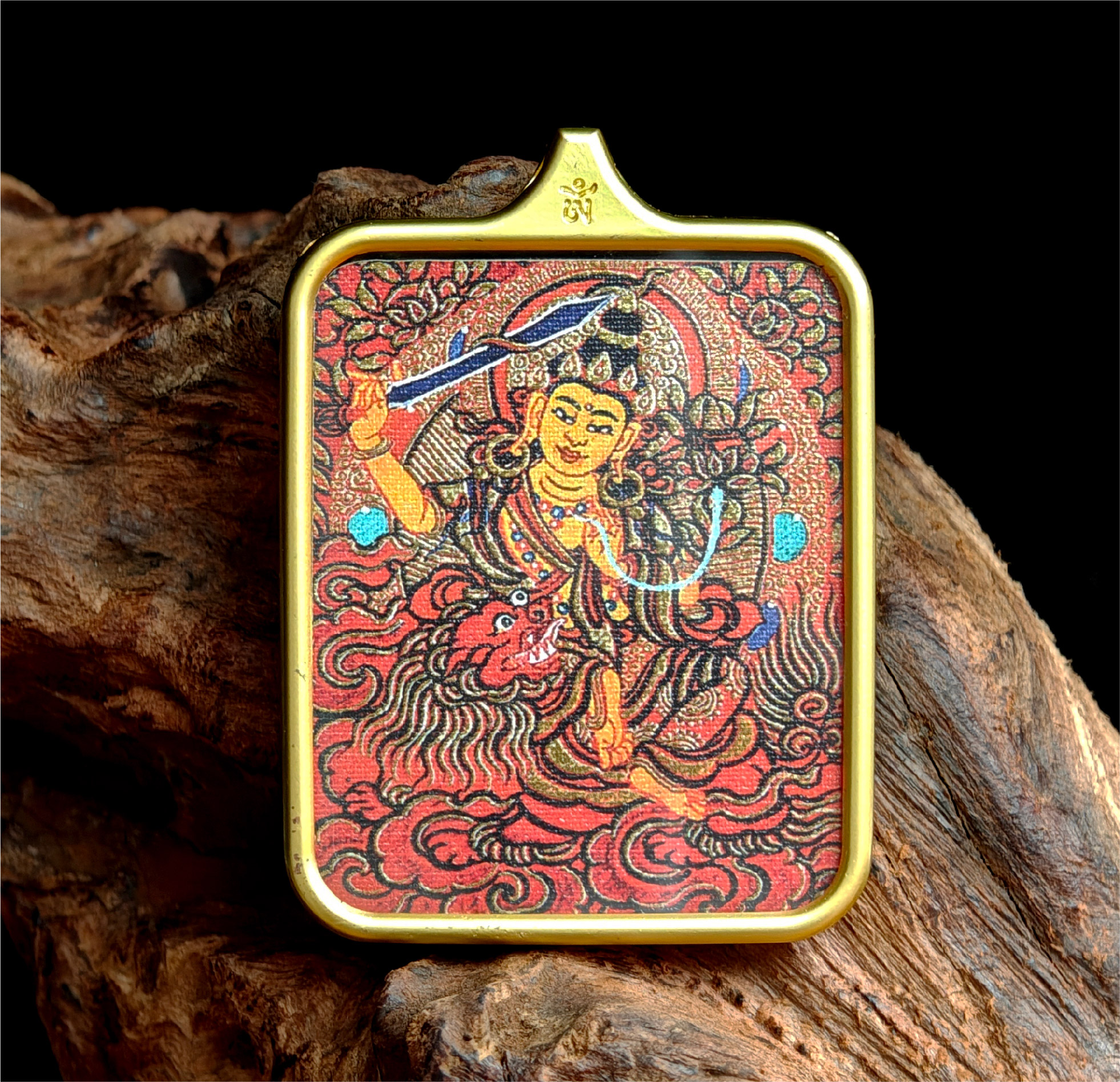
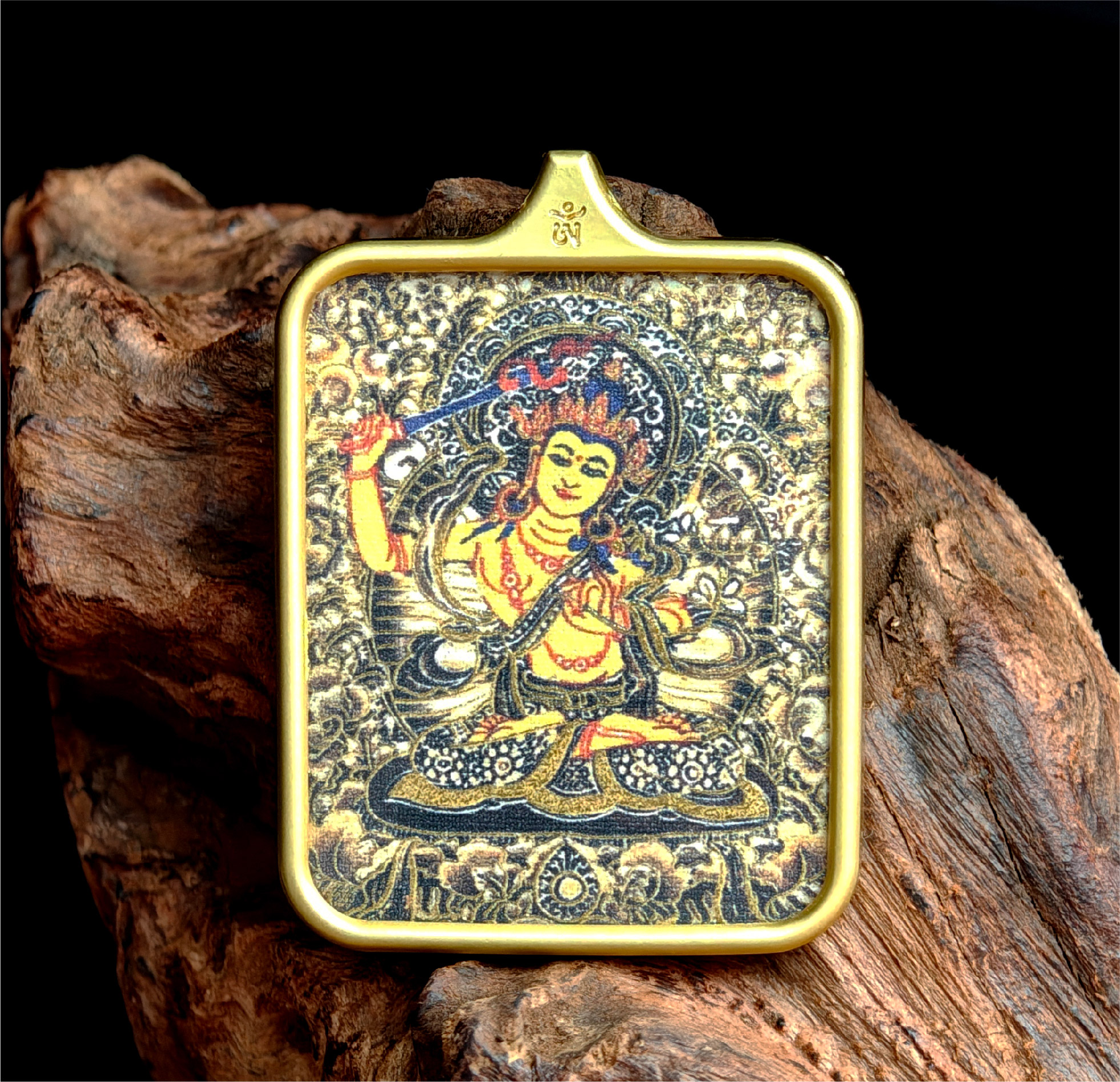
Tibetan Tradition Manjushri Bodhisattva Tanka Pendant / Made of Stainless Steel, approximately 45×55×6mm (excluding the cord), Red Gold, Black Gold
 On sale
Tibetan Tradition Manjushri Bodhisattva Tanka Pendant / Made of Stainless Steel, approximately 45×55×6mm (excluding the cord), Red Gold, Black Gold
¥4,450 JPY ¥8,900 JPY -
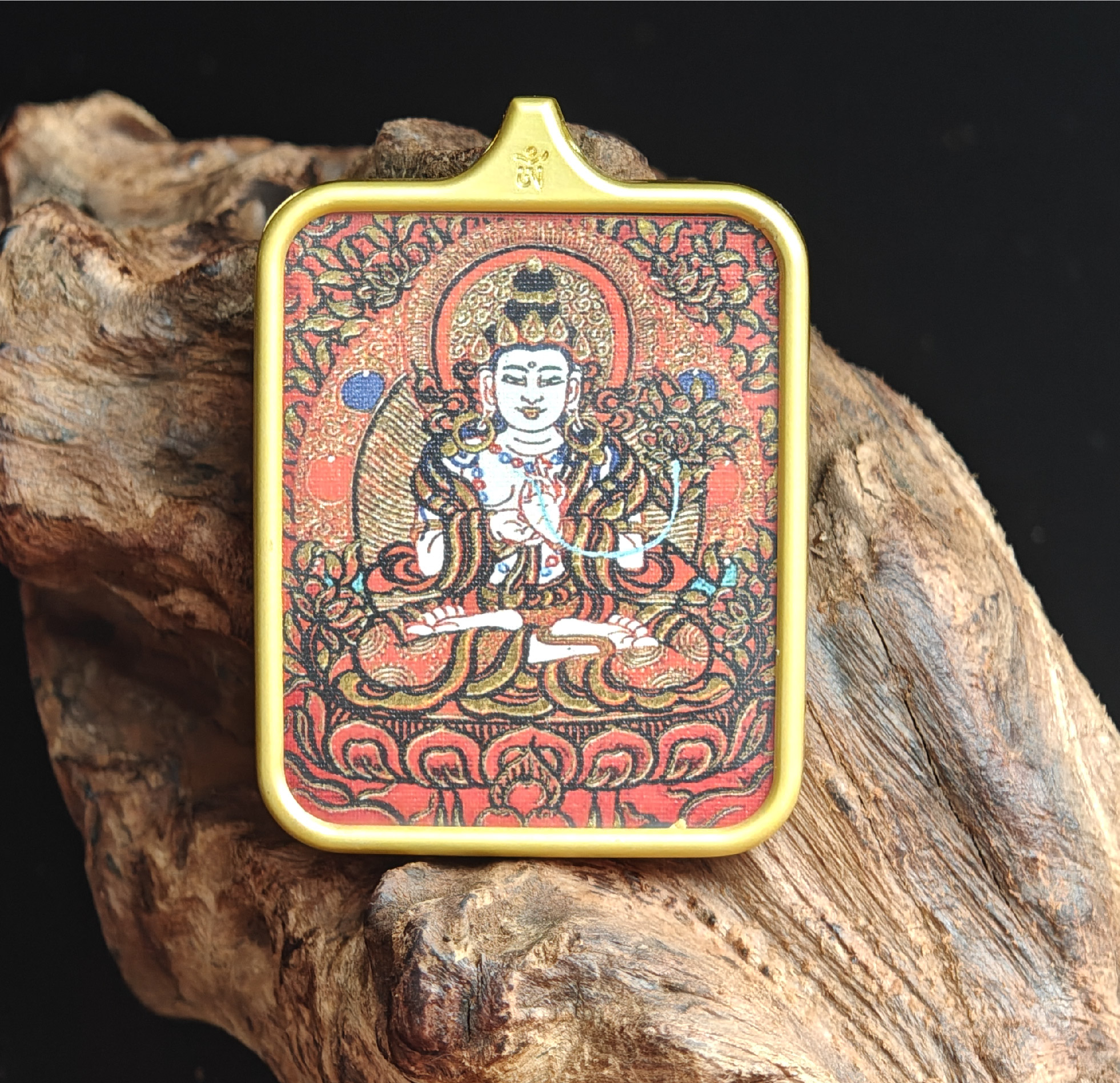
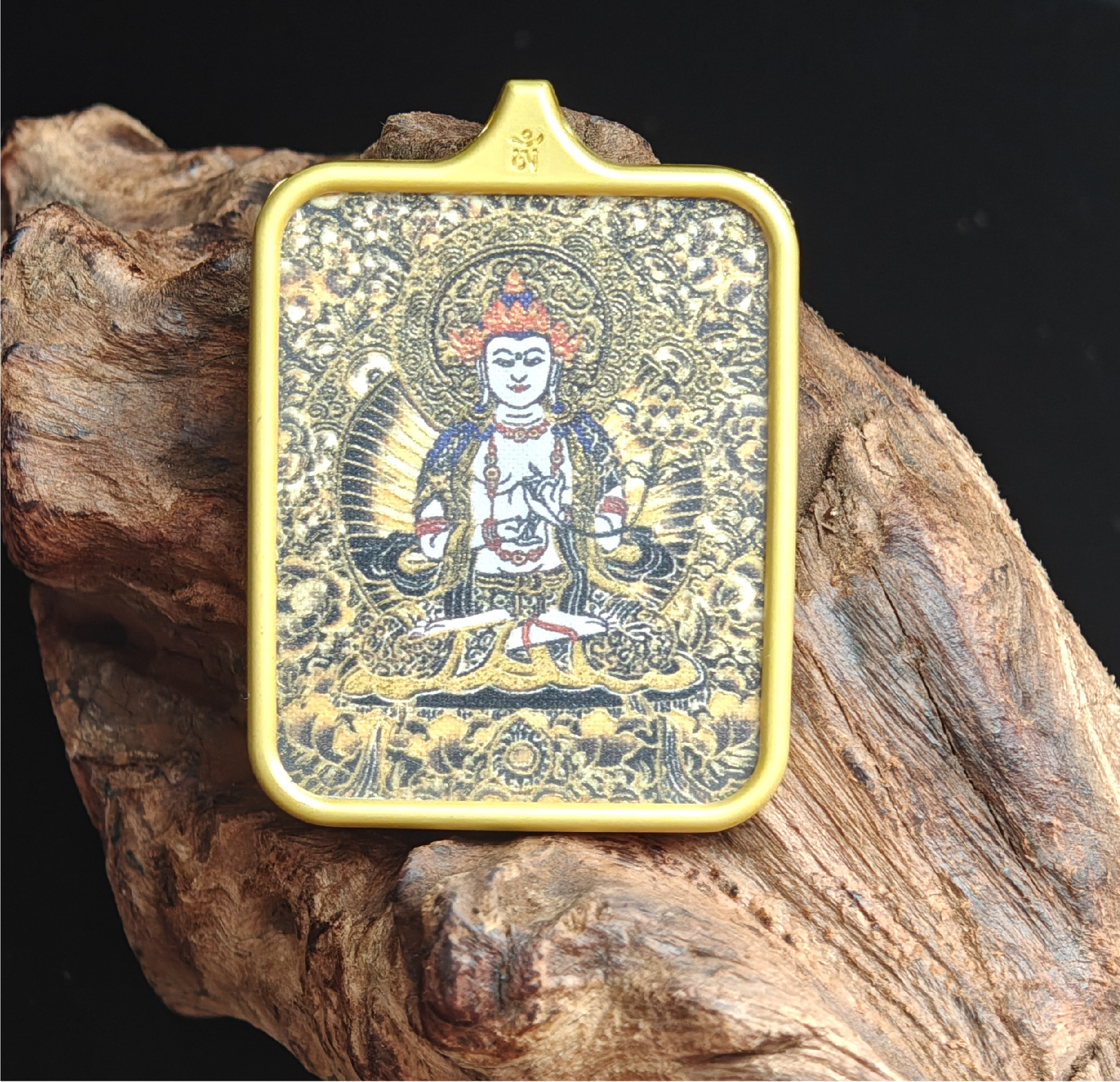
Tibetan Buddhism style Daiseishi Bodhisattva lucky pendant / made of stainless steel, approximately 45×55×6mm (excluding the cord), red gold, black gold
 On sale
Tibetan Buddhism style Daiseishi Bodhisattva lucky pendant / made of stainless steel, approximately 45×55×6mm (excluding the cord), red gold, black gold
¥4,450 JPY ¥8,900 JPY -
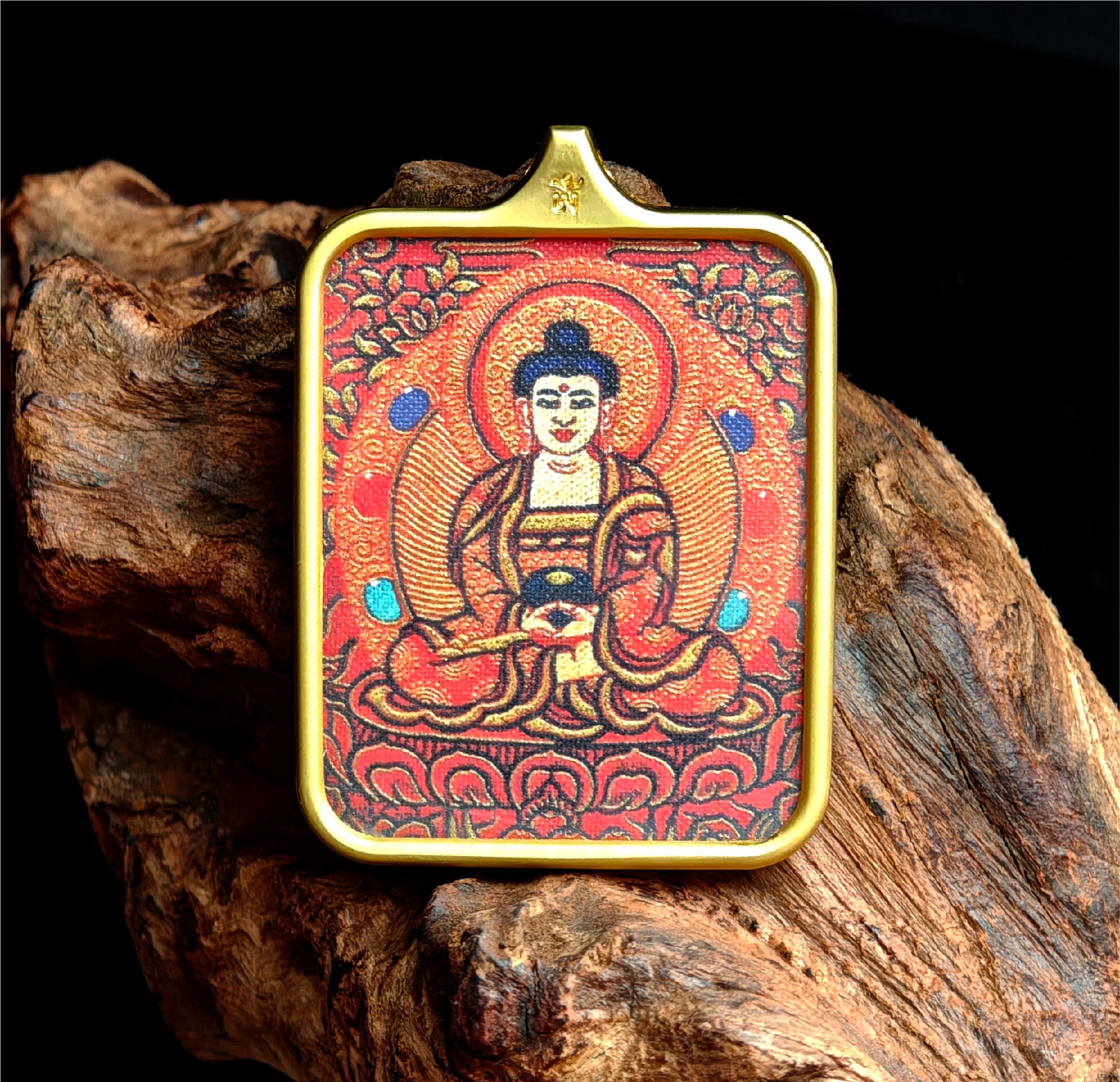
Tibetan Buddhist Amida Buddha Lucky Pendant / Made of Stainless Steel, approximately 45×55×6mm (excluding cord), Red Gold, Black Gold
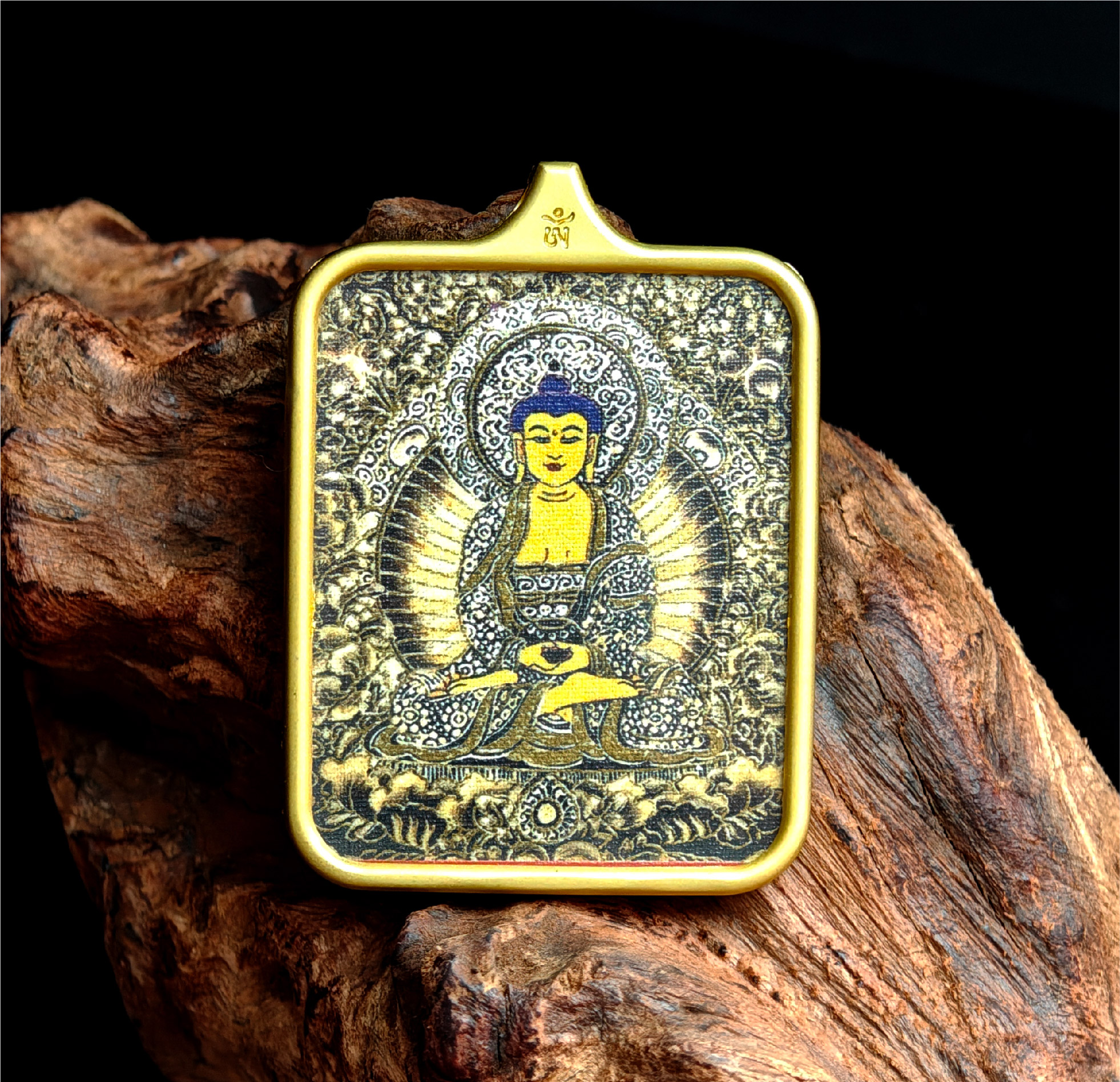 On sale
Tibetan Buddhist Amida Buddha Lucky Pendant / Made of Stainless Steel, approximately 45×55×6mm (excluding cord), Red Gold, Black Gold
¥4,450 JPY ¥8,900 JPY -
Tibetan Buddhist style Kṣitigarbha Bodhisattva lucky pendant / made of stainless steel, approximately 45×55×6mm (excluding cord), red gold, black gold
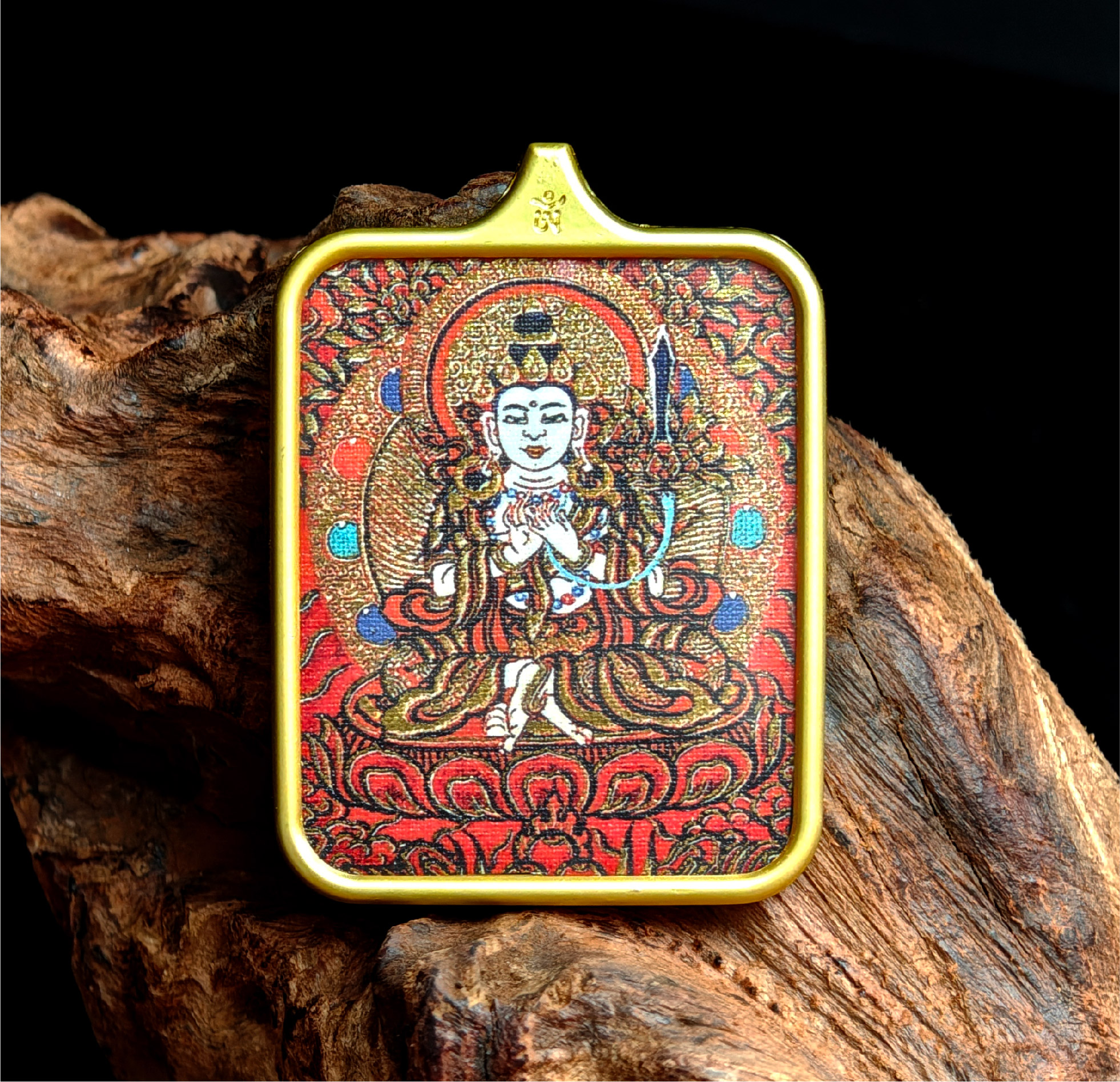
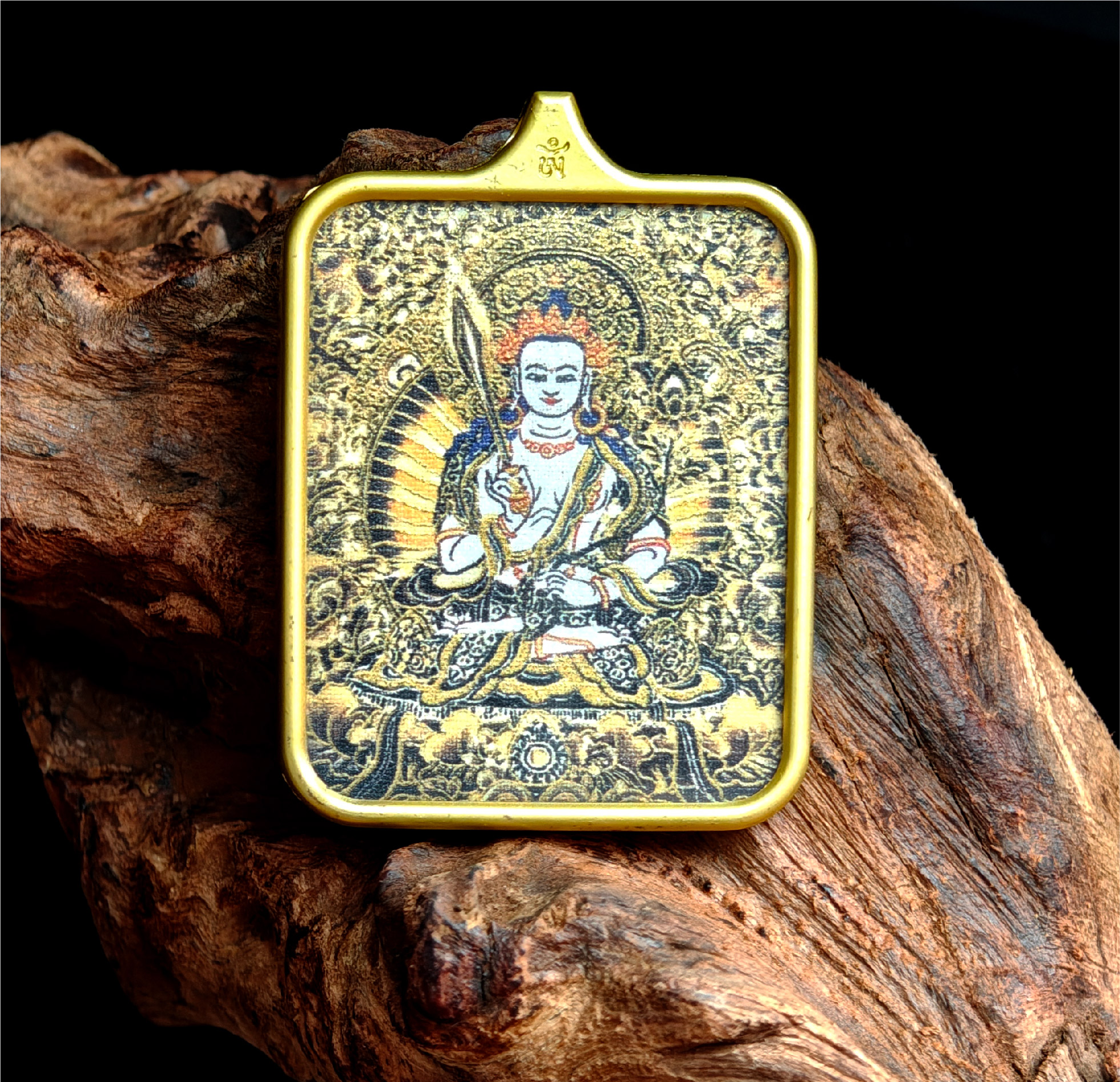 On sale
Tibetan Buddhist style Kṣitigarbha Bodhisattva lucky pendant / made of stainless steel, approximately 45×55×6mm (excluding cord), red gold, black gold
¥4,450 JPY ¥8,900 JPY -
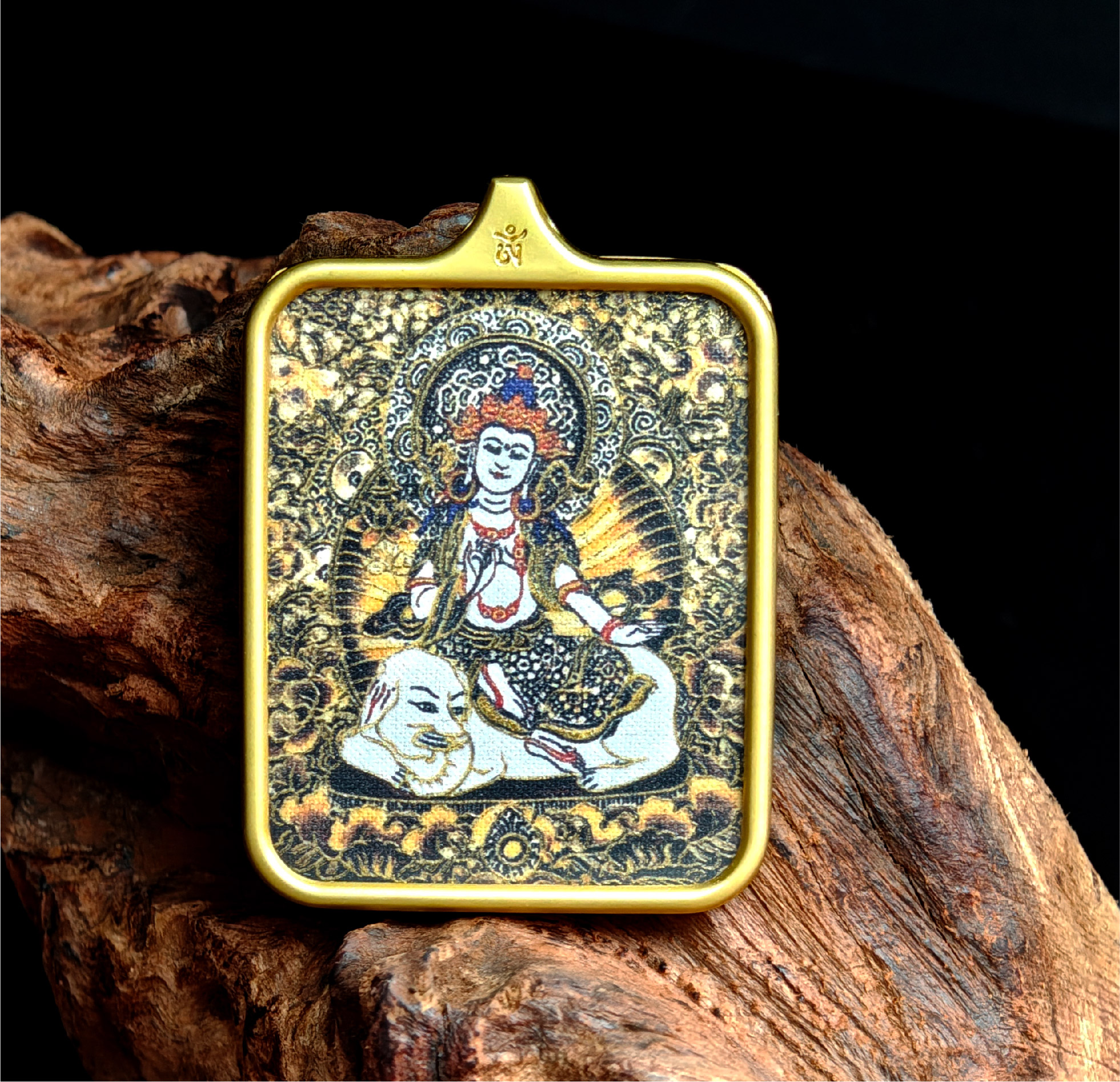
Tibetan Buddhism style Samantabhadra Bodhisattva lucky pendant / made of stainless steel, approximately 45×55×6mm (excluding the cord), red gold, black gold
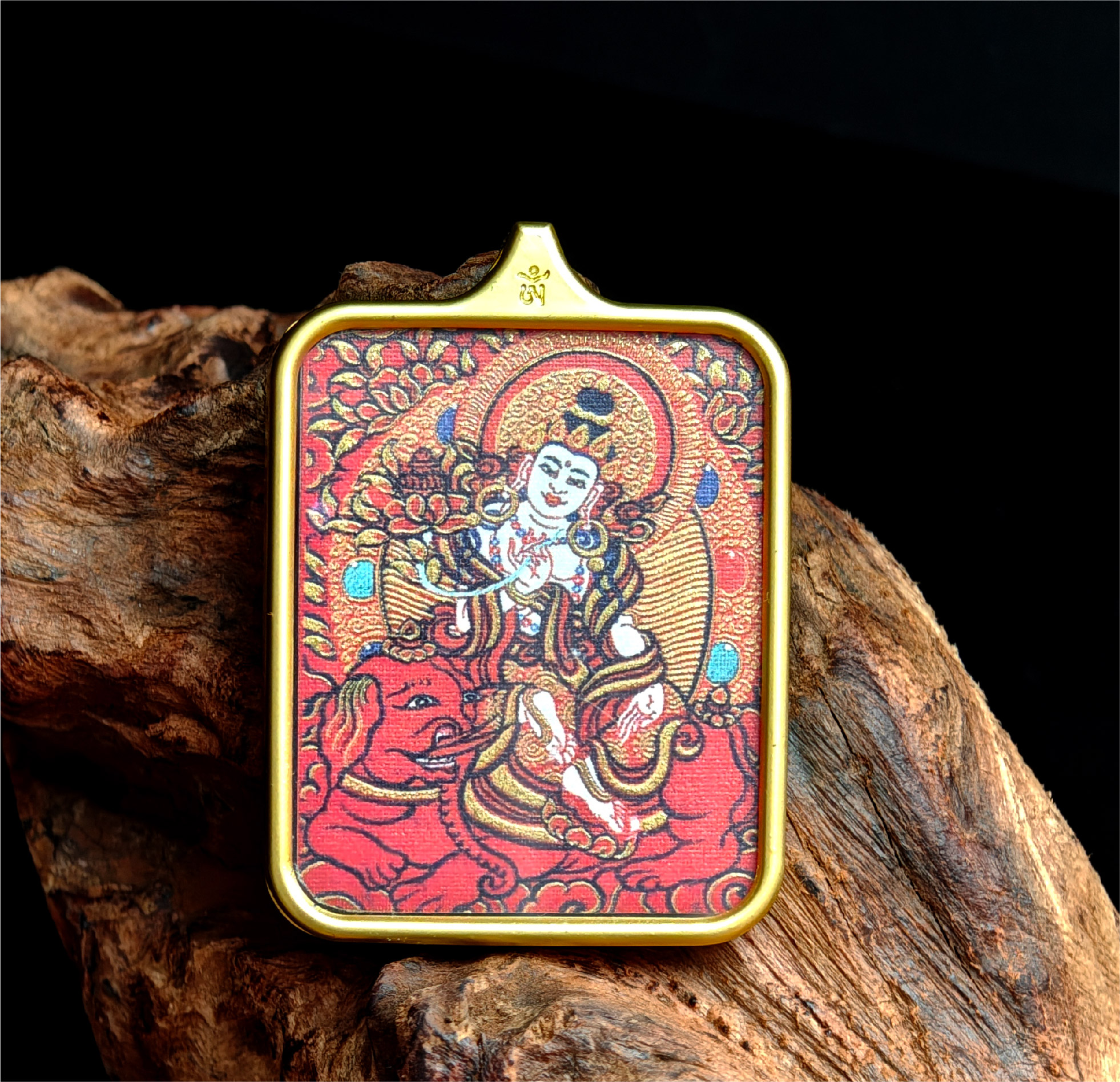
 On sale
Tibetan Buddhism style Samantabhadra Bodhisattva lucky pendant / made of stainless steel, approximately 45×55×6mm (excluding the cord), red gold, black gold
¥4,450 JPY ¥8,900 JPY -
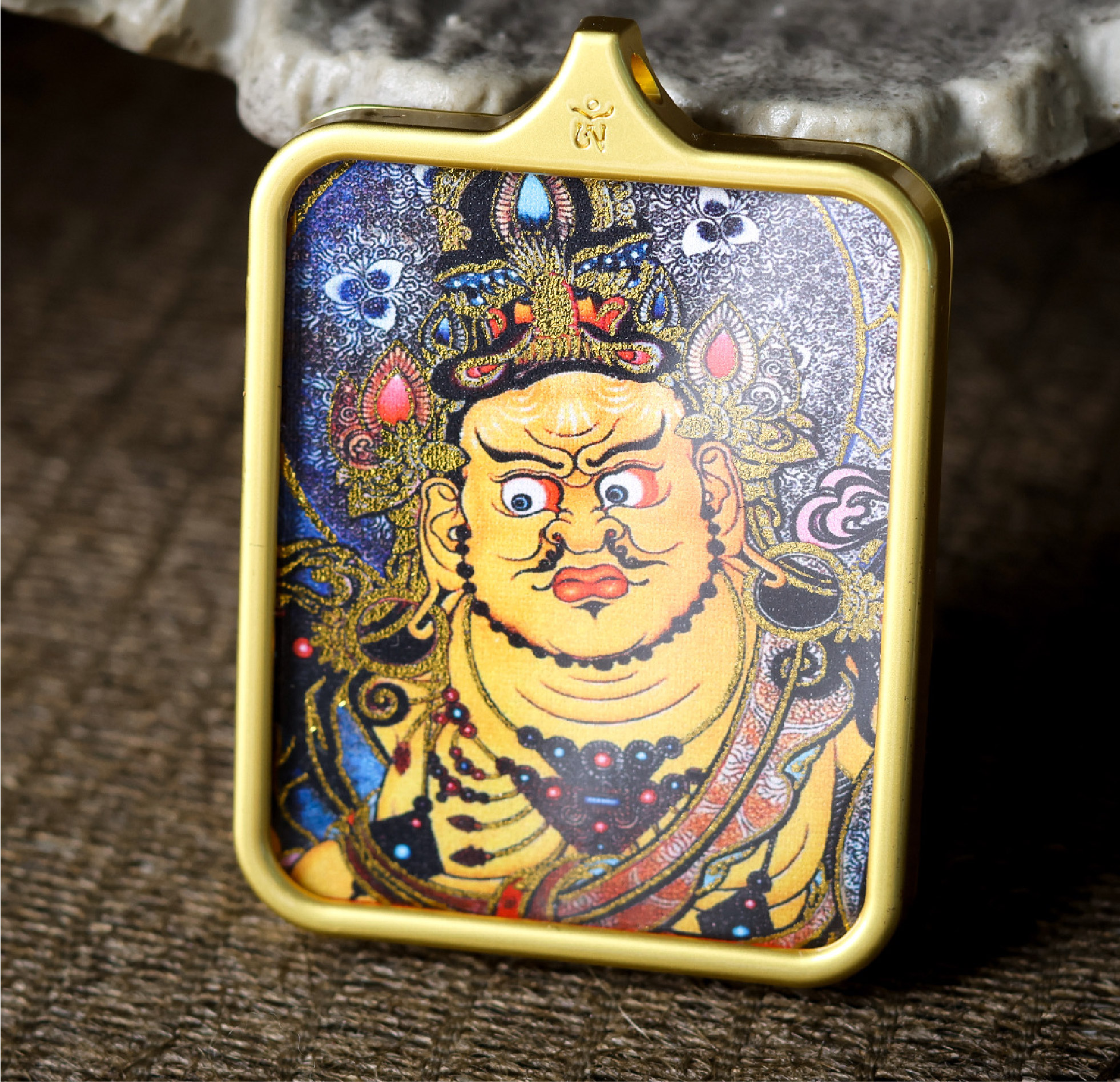
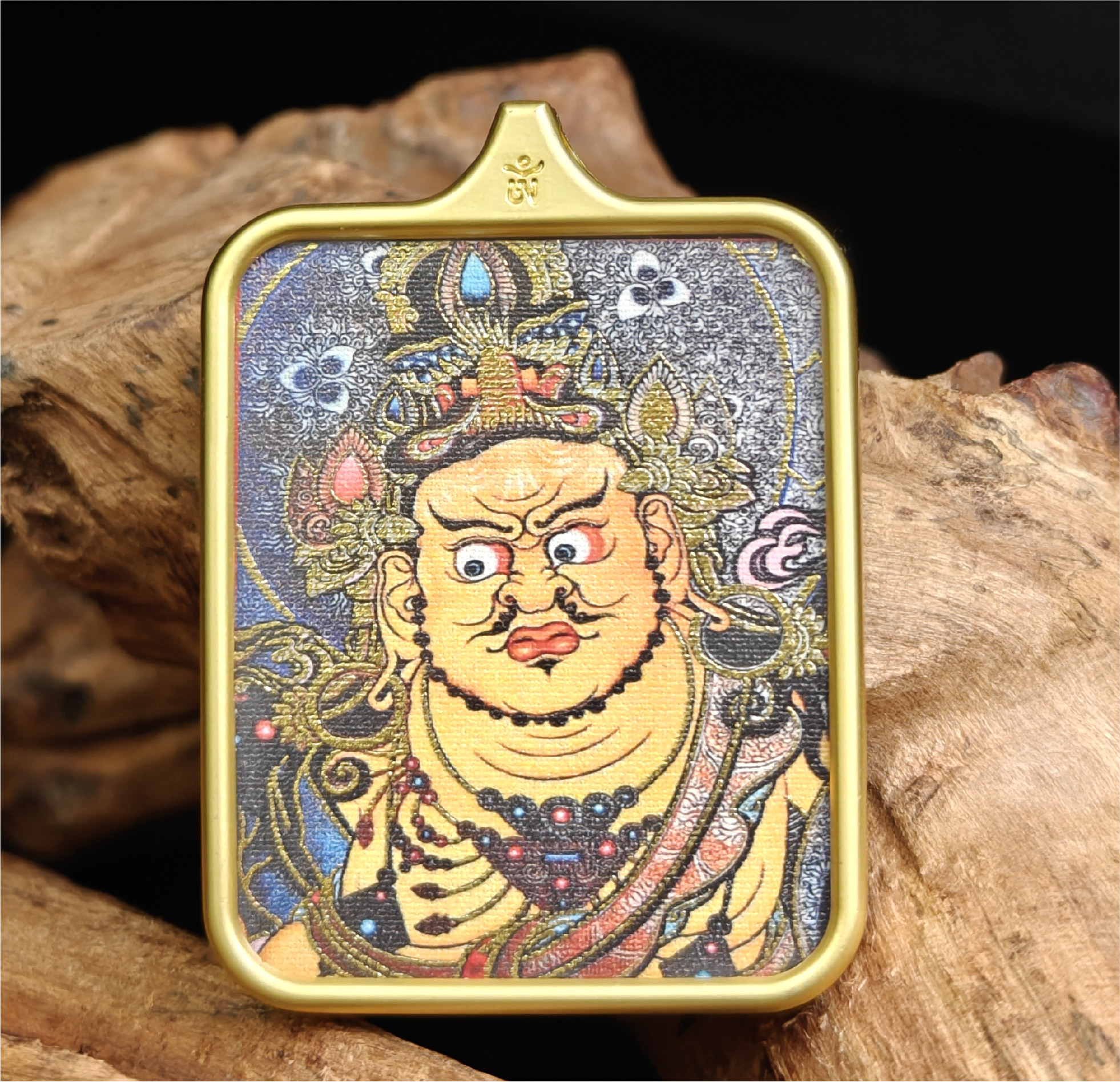
Yellow God of Wealth Tang Dynasty Carpet Pendant / Stainless Steel, Approx. 45 x 55 x 6 mm (excluding cord)
 On sale
Yellow God of Wealth Tang Dynasty Carpet Pendant / Stainless Steel, Approx. 45 x 55 x 6 mm (excluding cord)
¥4,450 JPY ¥8,900 JPY -
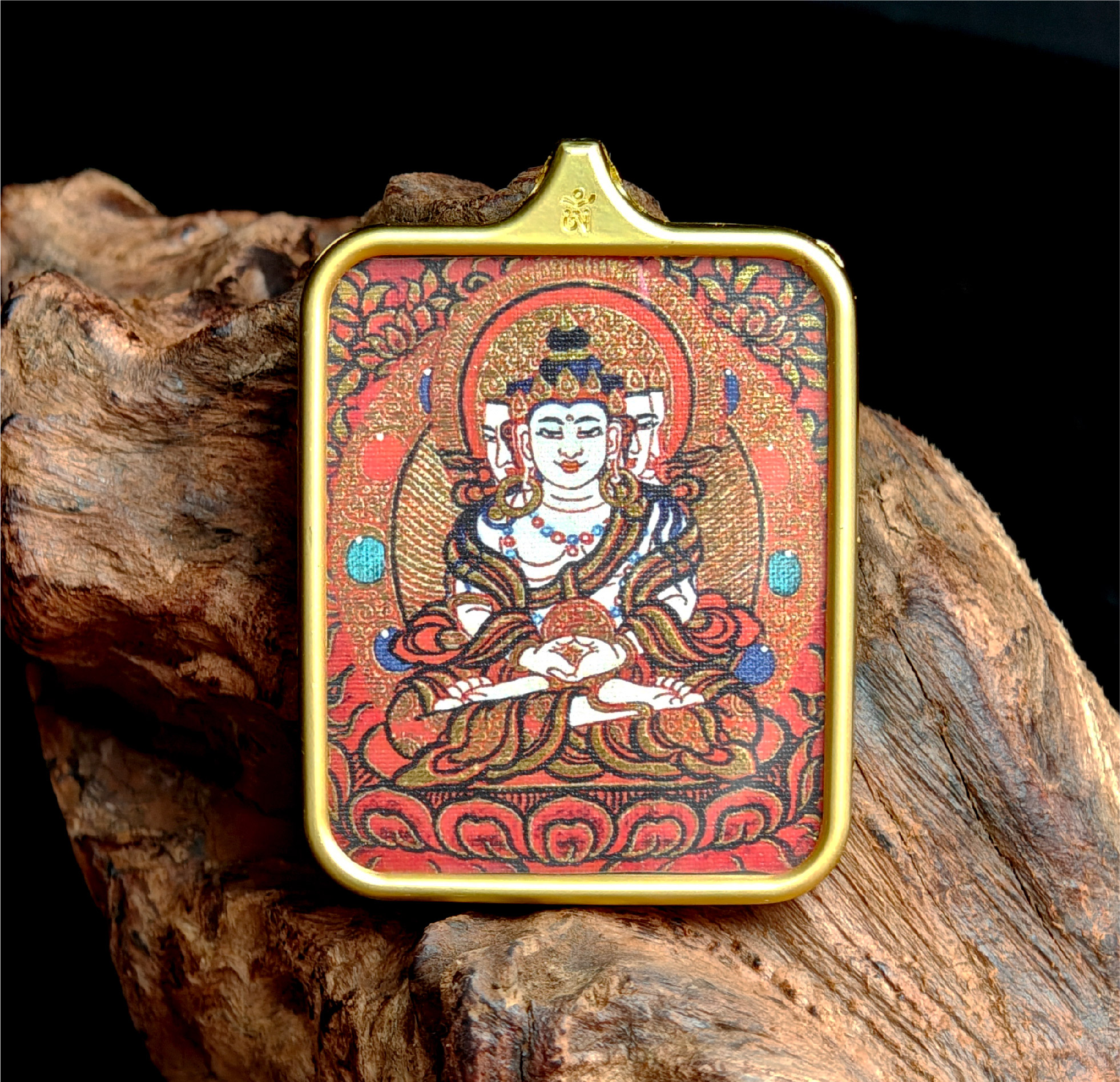
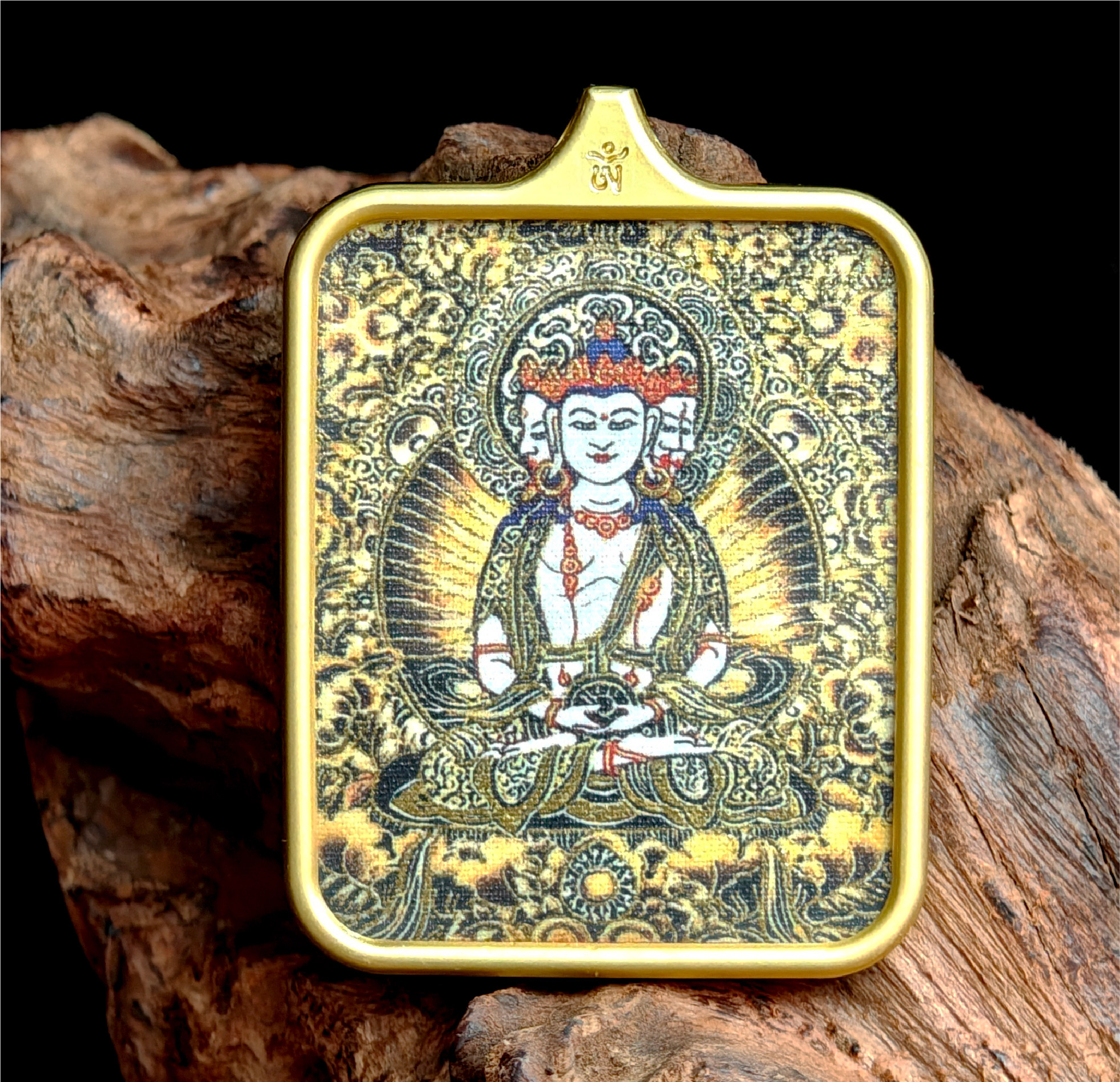
Tibetan Tradition Dainichi Nyorai Tanka Pendant / Made of Stainless Steel, approximately 45×55×6mm (excluding cord), Red Gold, Black Gold
 On sale
Tibetan Tradition Dainichi Nyorai Tanka Pendant / Made of Stainless Steel, approximately 45×55×6mm (excluding cord), Red Gold, Black Gold
¥4,450 JPY ¥8,900 JPY -
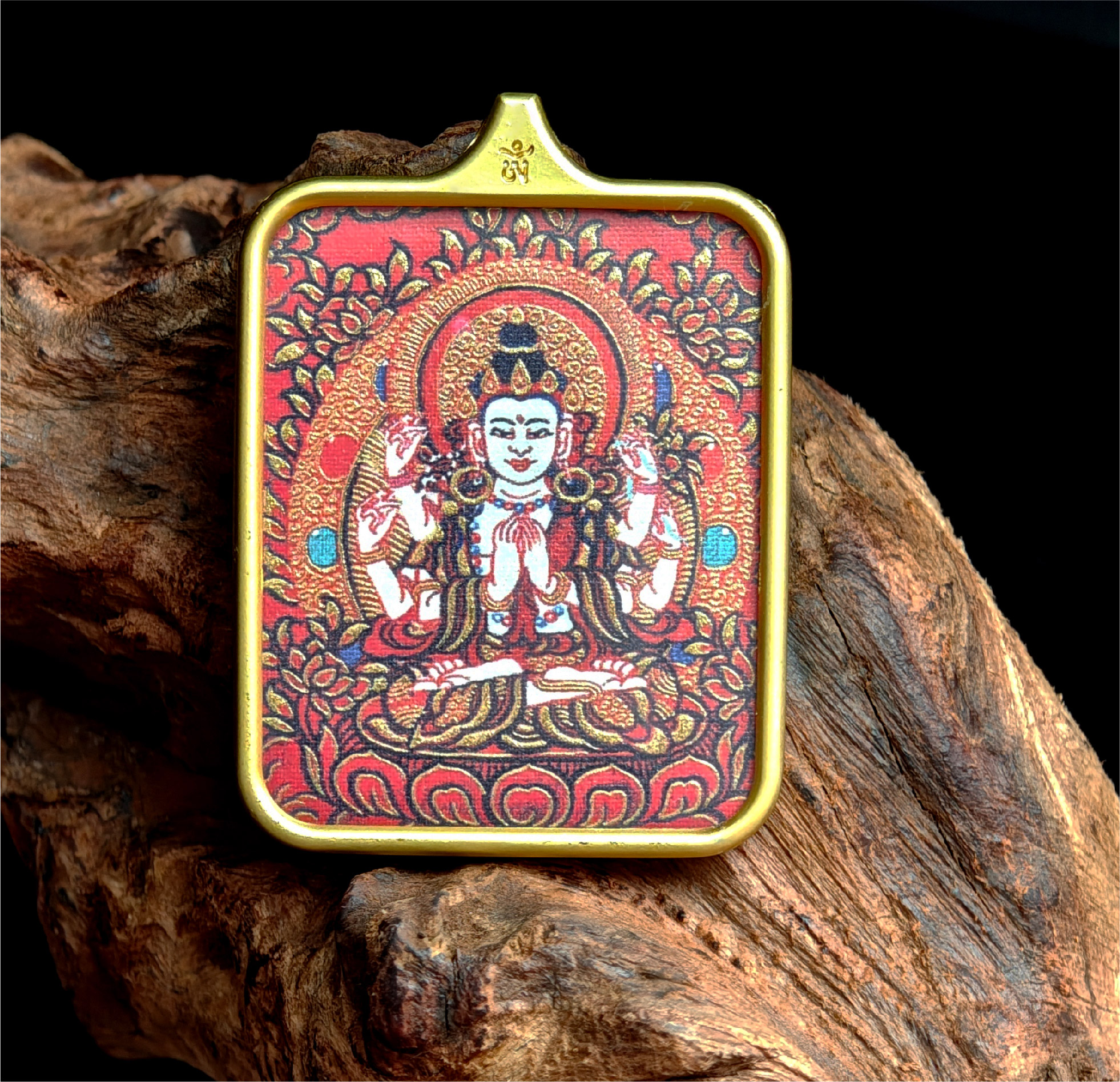
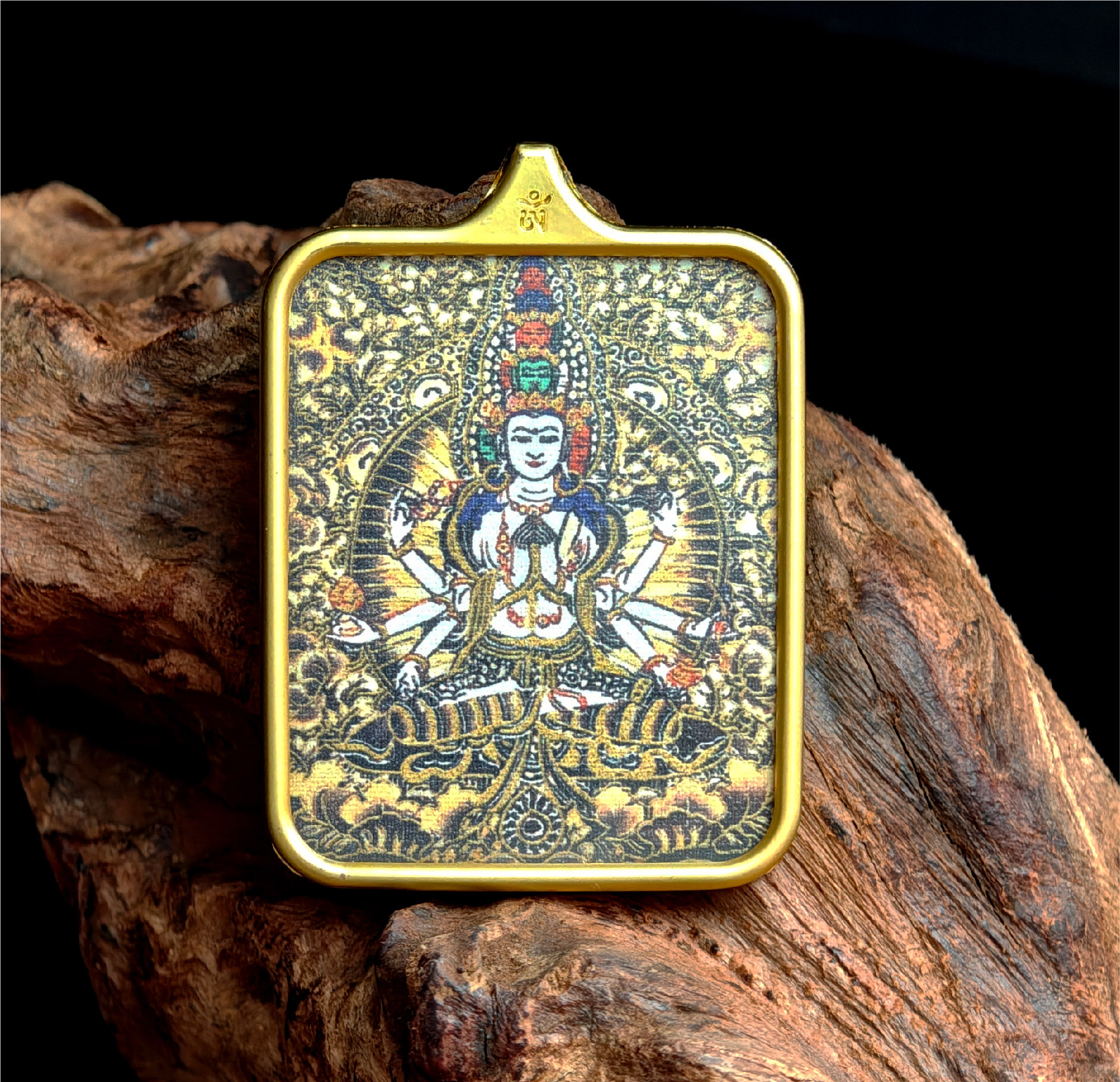
Tibetan Tradition Thousand-Hand Kannon Thangka Pendant Top / Made of Stainless Steel, approximately 45×55×6mm (excluding cord), Red Gold, Black Gold
 On sale
Tibetan Tradition Thousand-Hand Kannon Thangka Pendant Top / Made of Stainless Steel, approximately 45×55×6mm (excluding cord), Red Gold, Black Gold
¥4,450 JPY ¥8,900 JPY -
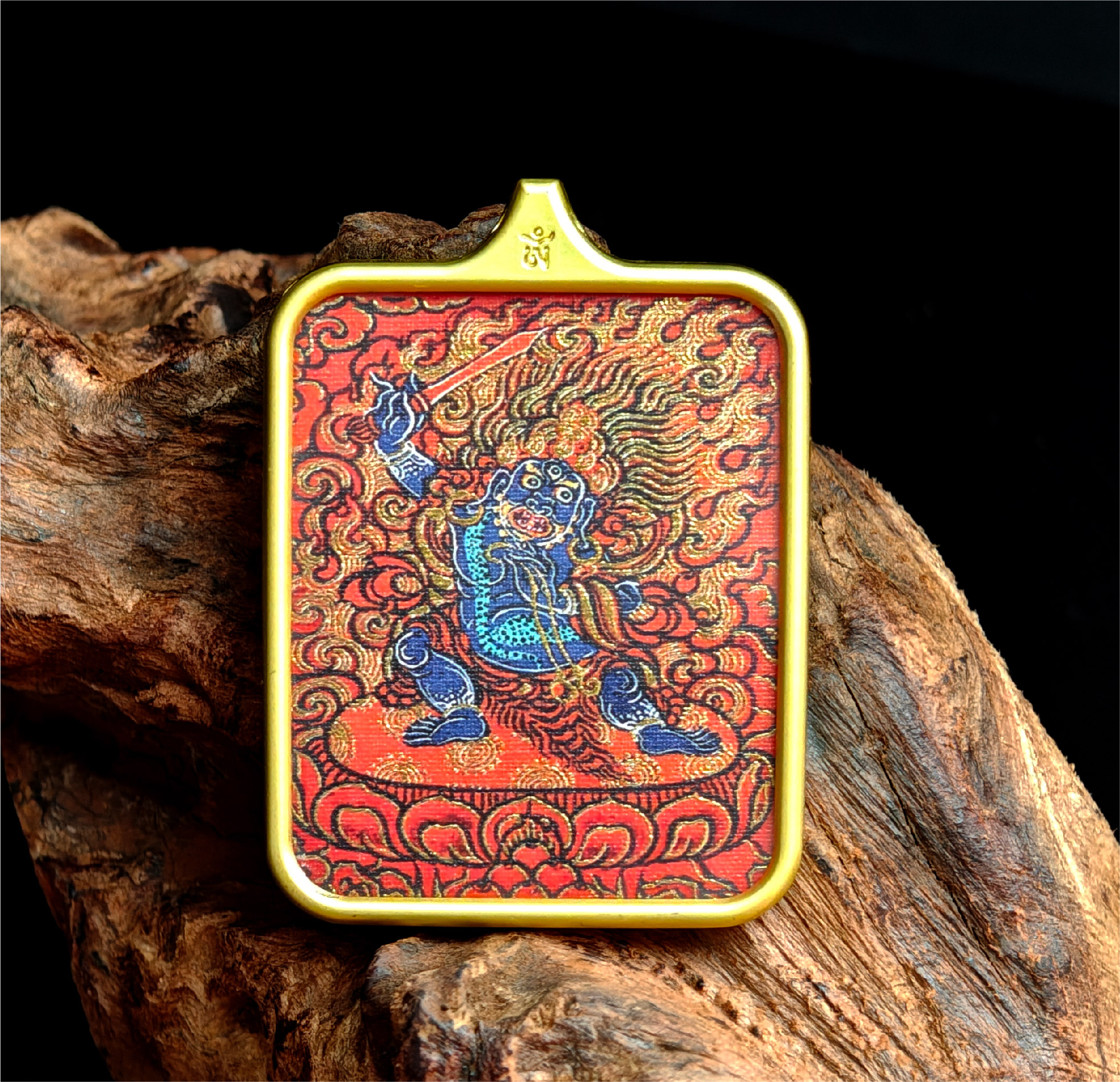
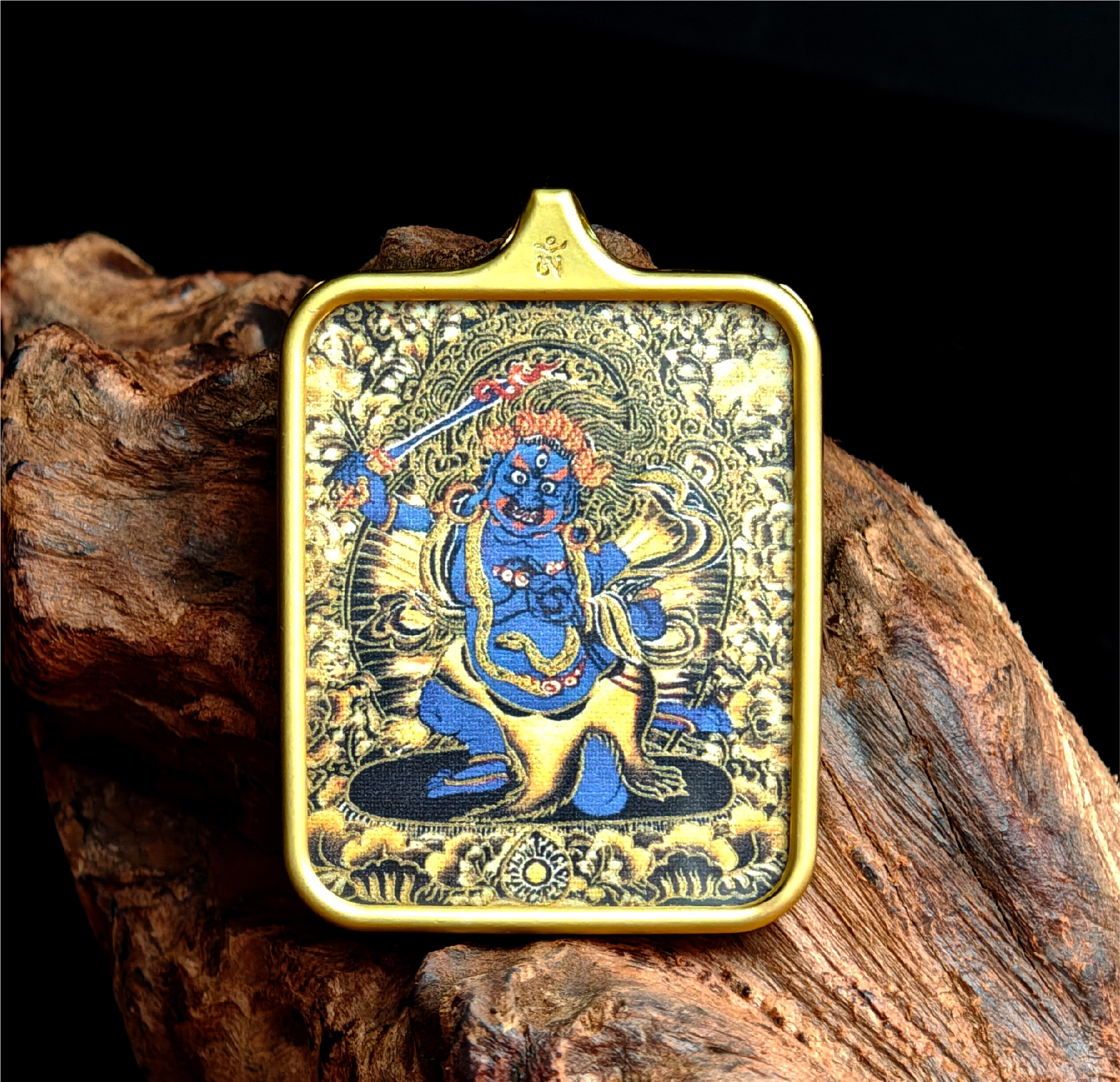
Tibetan Buddhist Fudo Myoo Lucky Pendant / Made of Stainless Steel, approximately 45×55×6mm (excluding cord), Red Gold, Black Gold
 On sale
Tibetan Buddhist Fudo Myoo Lucky Pendant / Made of Stainless Steel, approximately 45×55×6mm (excluding cord), Red Gold, Black Gold
¥4,450 JPY ¥8,900 JPY -
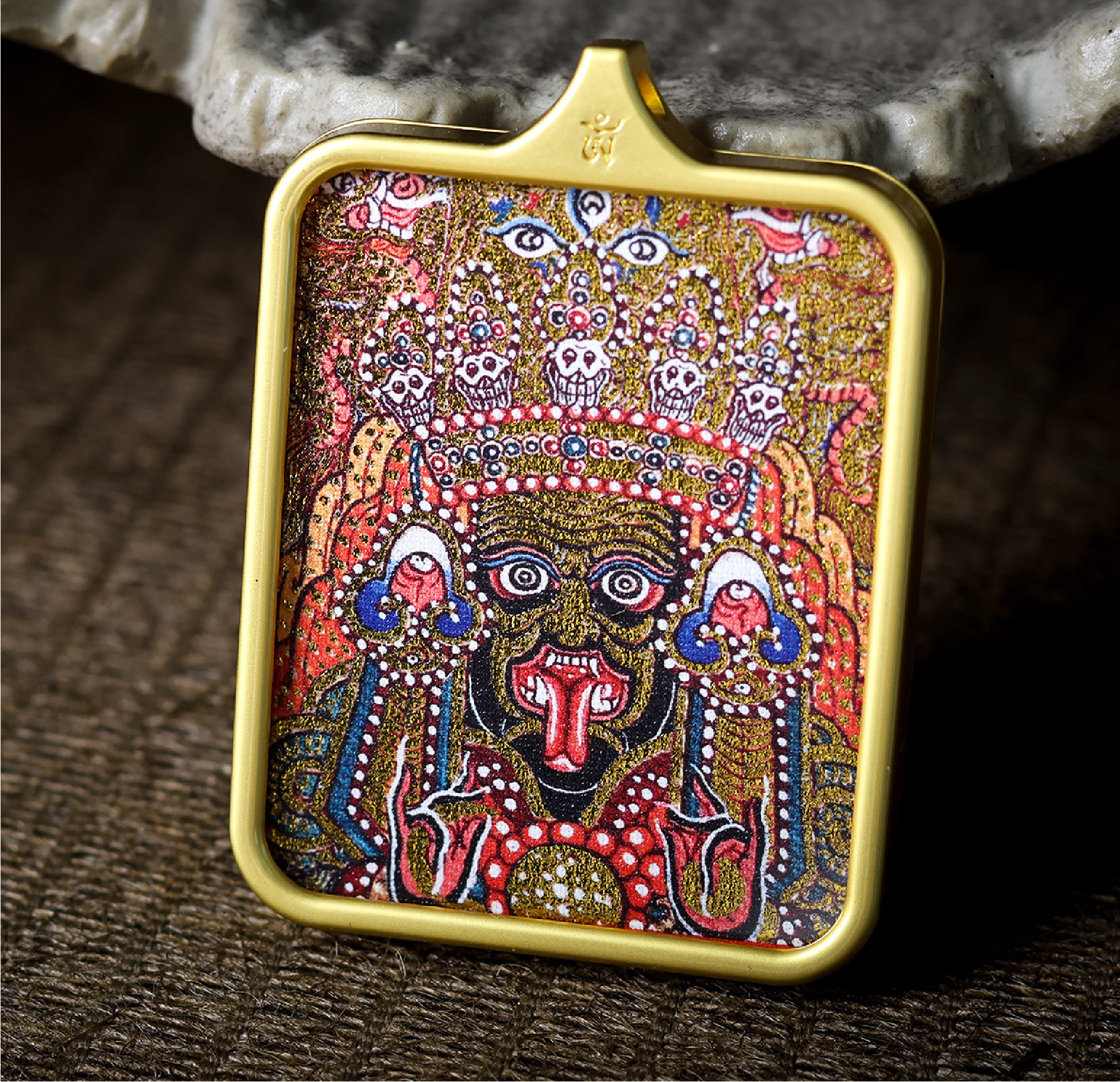
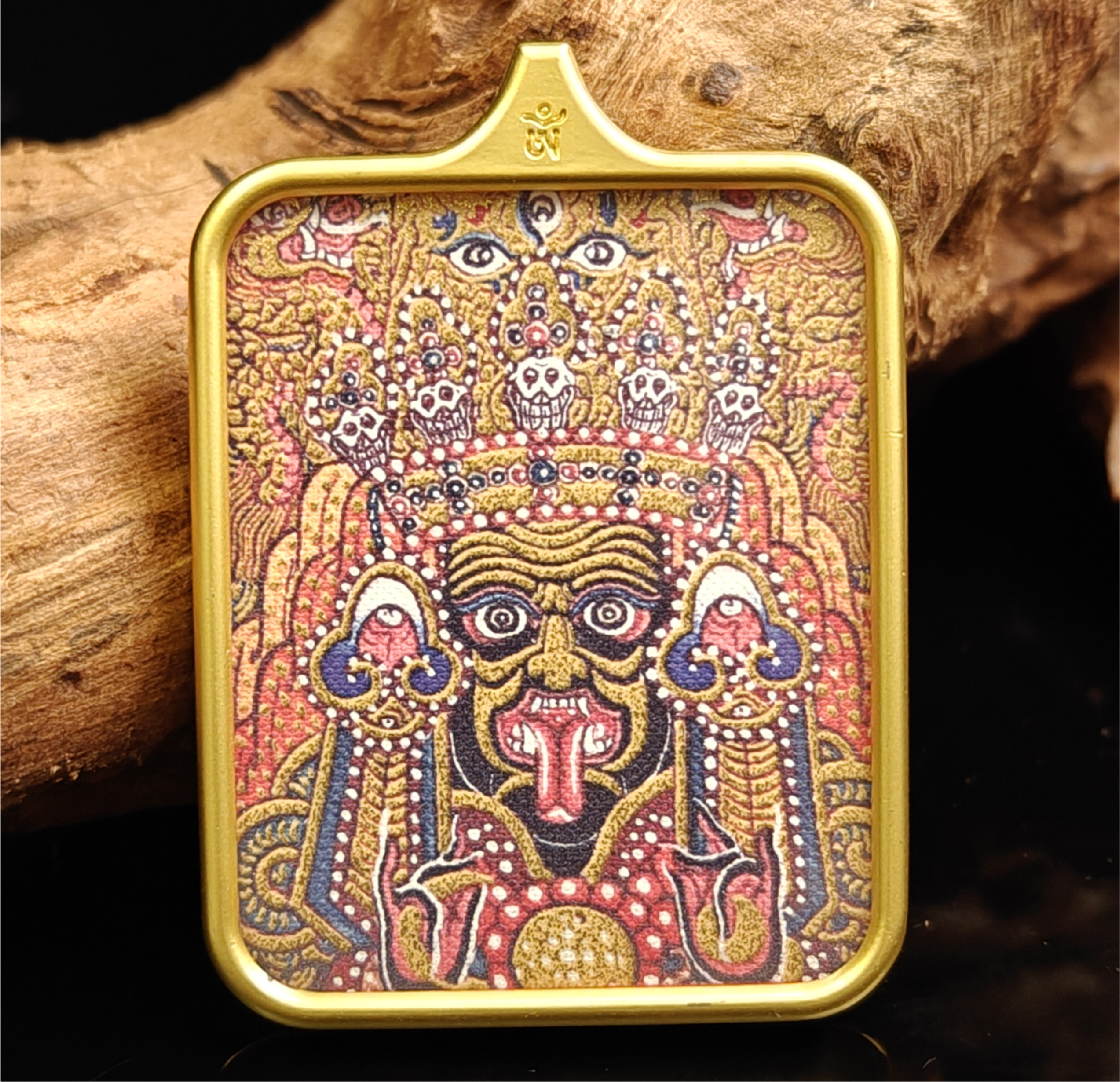
Zagi Ram Tō Carpet Good Luck Pendant / Made of Stainless Steel, approximately 45×55×6mm (excluding cord), Red Gold, Black Gold
 On sale
Zagi Ram Tō Carpet Good Luck Pendant / Made of Stainless Steel, approximately 45×55×6mm (excluding cord), Red Gold, Black Gold
¥4,450 JPY ¥8,900 JPY
Waterdrop-shaped electroplated silver Tangka pendant
-
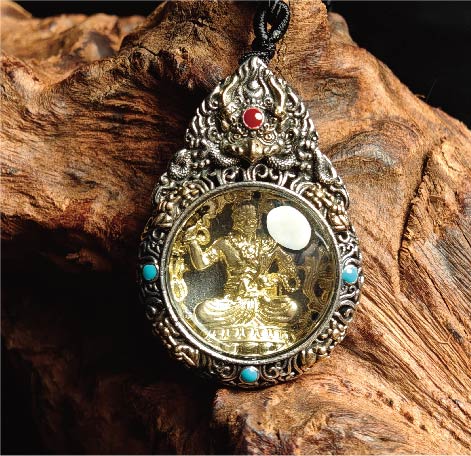
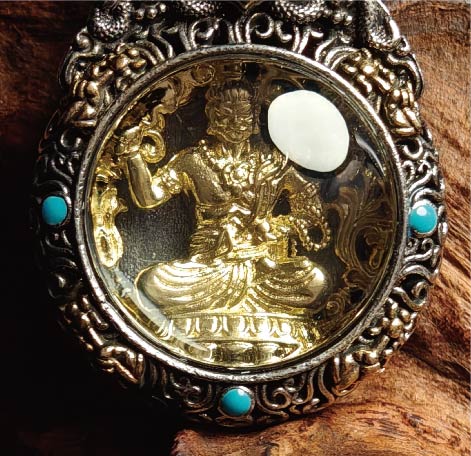
Tibetan Buddhist Garuda and Fudo Myoo thangka pendant / Electroplated pure silver, with cord, teardrop shape
 On sale
Tibetan Buddhist Garuda and Fudo Myoo thangka pendant / Electroplated pure silver, with cord, teardrop shape
¥4,600 JPY ¥9,200 JPY -
Tibetan Tantric Buddhism Garuda motif, thangka pendant of Dainichi Nyorai (Vairocana Buddha) / Electroplated pure silver, with cord, teardrop shape
On sale
Tibetan Tantric Buddhism Garuda motif, thangka pendant of Dainichi Nyorai (Vairocana Buddha) / Electroplated pure silver, with cord, teardrop shape
¥4,600 JPY ¥9,200 JPY -
Tibetan Buddhist Garuda and Mahasthamaprapta Thangka pendant / Electroplated pure silver, with cord, teardrop shape
On sale
Tibetan Buddhist Garuda and Mahasthamaprapta Thangka pendant / Electroplated pure silver, with cord, teardrop shape
¥4,600 JPY ¥9,200 JPY -
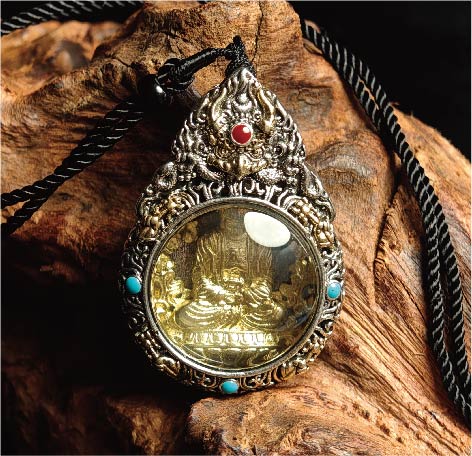
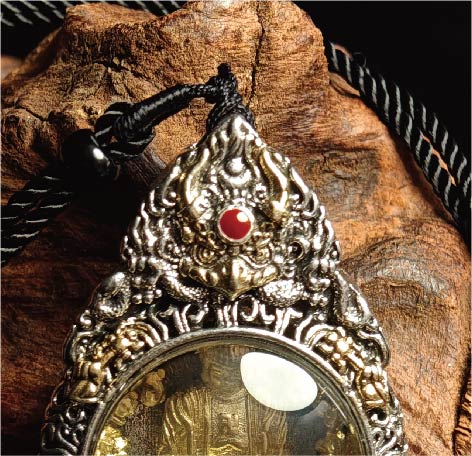
Tibetan Tantric Buddhism Garuda motif, Amitabha Buddha thangka pendant / Electroplated pure silver, with cord, teardrop shape
 On sale
Tibetan Tantric Buddhism Garuda motif, Amitabha Buddha thangka pendant / Electroplated pure silver, with cord, teardrop shape
¥4,600 JPY ¥9,200 JPY -
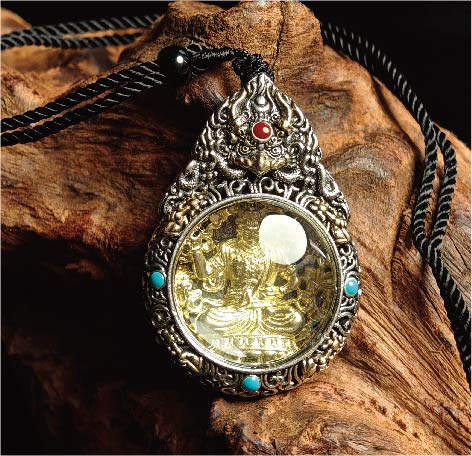
Tibetan Buddhist Garuda and Manjushri thangka pendant / Electroplated pure silver, with cord, teardrop shape
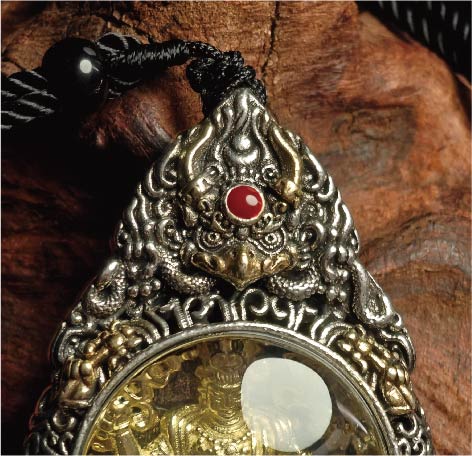 On sale
Tibetan Buddhist Garuda and Manjushri thangka pendant / Electroplated pure silver, with cord, teardrop shape
¥4,600 JPY ¥9,200 JPY -
Tibetan Buddhist Garuda and Samantabhadra Thangka pendant / Electroplated pure silver, with cord, teardrop shape
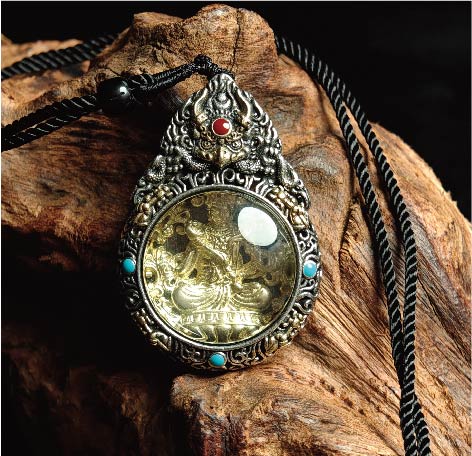
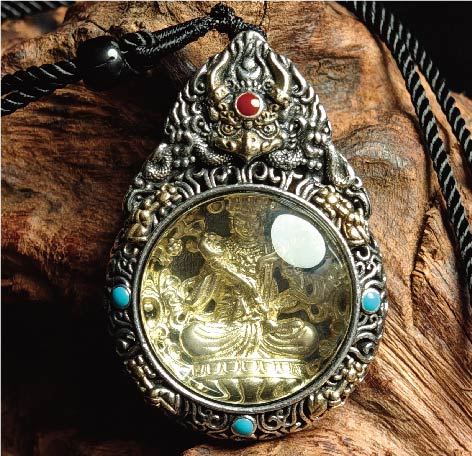 On sale
Tibetan Buddhist Garuda and Samantabhadra Thangka pendant / Electroplated pure silver, with cord, teardrop shape
¥4,600 JPY ¥9,200 JPY -
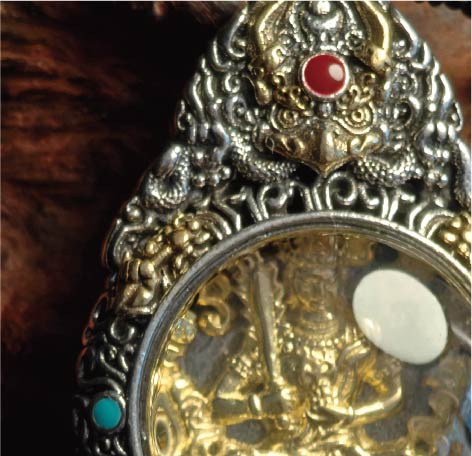
Tibetan Buddhist Garuda motif, thangka pendant of Akasagarbha Bodhisattva / Electroplated pure silver, with cord, teardrop shape
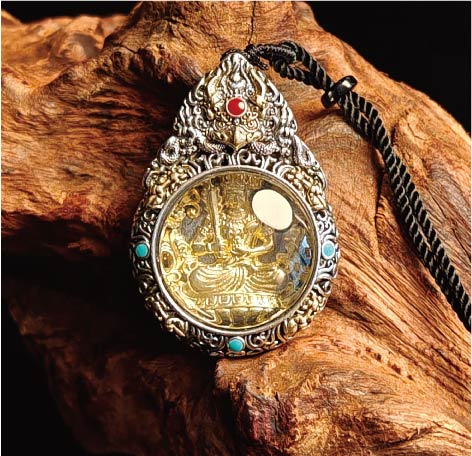
 On sale
Tibetan Buddhist Garuda motif, thangka pendant of Akasagarbha Bodhisattva / Electroplated pure silver, with cord, teardrop shape
¥4,600 JPY ¥9,200 JPY -
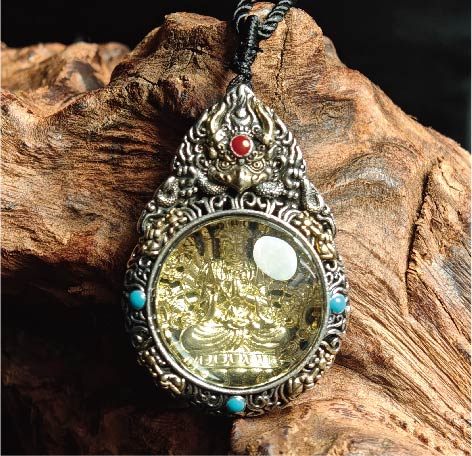
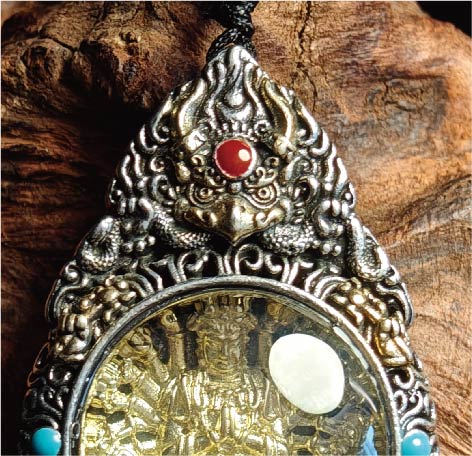
Tibetan Buddhist Garuda motif, Thousand-Armed Avalokiteśvara thangka pendant / Electroplated pure silver, with cord, teardrop shape
 On sale
Tibetan Buddhist Garuda motif, Thousand-Armed Avalokiteśvara thangka pendant / Electroplated pure silver, with cord, teardrop shape
¥4,600 JPY ¥9,200 JPY -
Garuda sculpture of Tibetan Esoteric Buddhism, Han-style Yakushi Nyorai (Kanden Yakushi Butsu) thangka pendant / electroplated pure silver, with cord, droplet shape
On sale
Garuda sculpture of Tibetan Esoteric Buddhism, Han-style Yakushi Nyorai (Kanden Yakushi Butsu) thangka pendant / electroplated pure silver, with cord, droplet shape
¥4,600 JPY ¥9,200 JPY -
Garuda sculpture of Tibetan Esoteric Buddhism, Jizō (Kṣitigarbha) Tanka pendant / Electroplated pure silver, with cord, droplet shape
On sale
Garuda sculpture of Tibetan Esoteric Buddhism, Jizō (Kṣitigarbha) Tanka pendant / Electroplated pure silver, with cord, droplet shape
¥4,600 JPY ¥9,200 JPY
A Tang Ka pendant with a tiger head design and auspicious symbols on both sides.
-
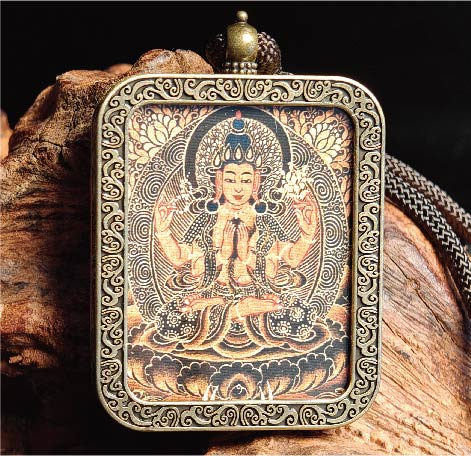
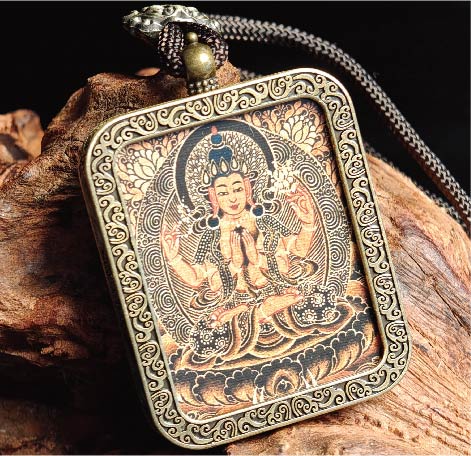
Tibetan Tradition Thousand-Hand Kannon Tanka Pendant Top / Plated Alloy, Double-Sided Design, Approximately 40×50×8mm (Including Cord), Black Gold
 On sale
Tibetan Tradition Thousand-Hand Kannon Tanka Pendant Top / Plated Alloy, Double-Sided Design, Approximately 40×50×8mm (Including Cord), Black Gold
¥4,580 JPY ¥9,000 JPY -
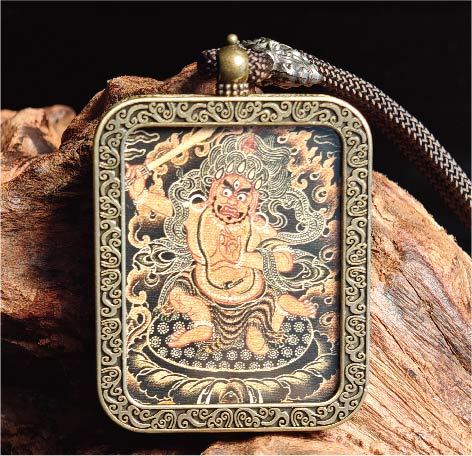
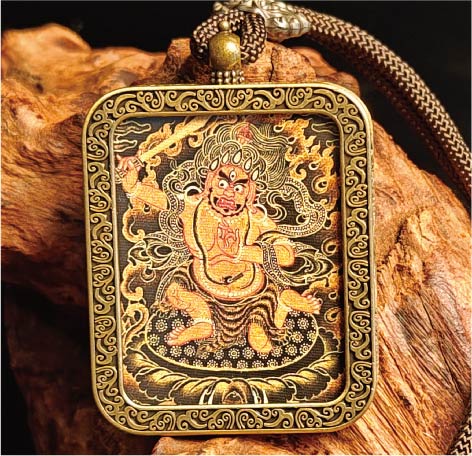
Tibetan Buddhist Fudōson Lucky Pendant / Plated Alloy, Double-Sided Design, Approximately 40×50×8mm (Including Cord), Black Gold
 On sale
Tibetan Buddhist Fudōson Lucky Pendant / Plated Alloy, Double-Sided Design, Approximately 40×50×8mm (Including Cord), Black Gold
¥4,580 JPY ¥9,000 JPY -
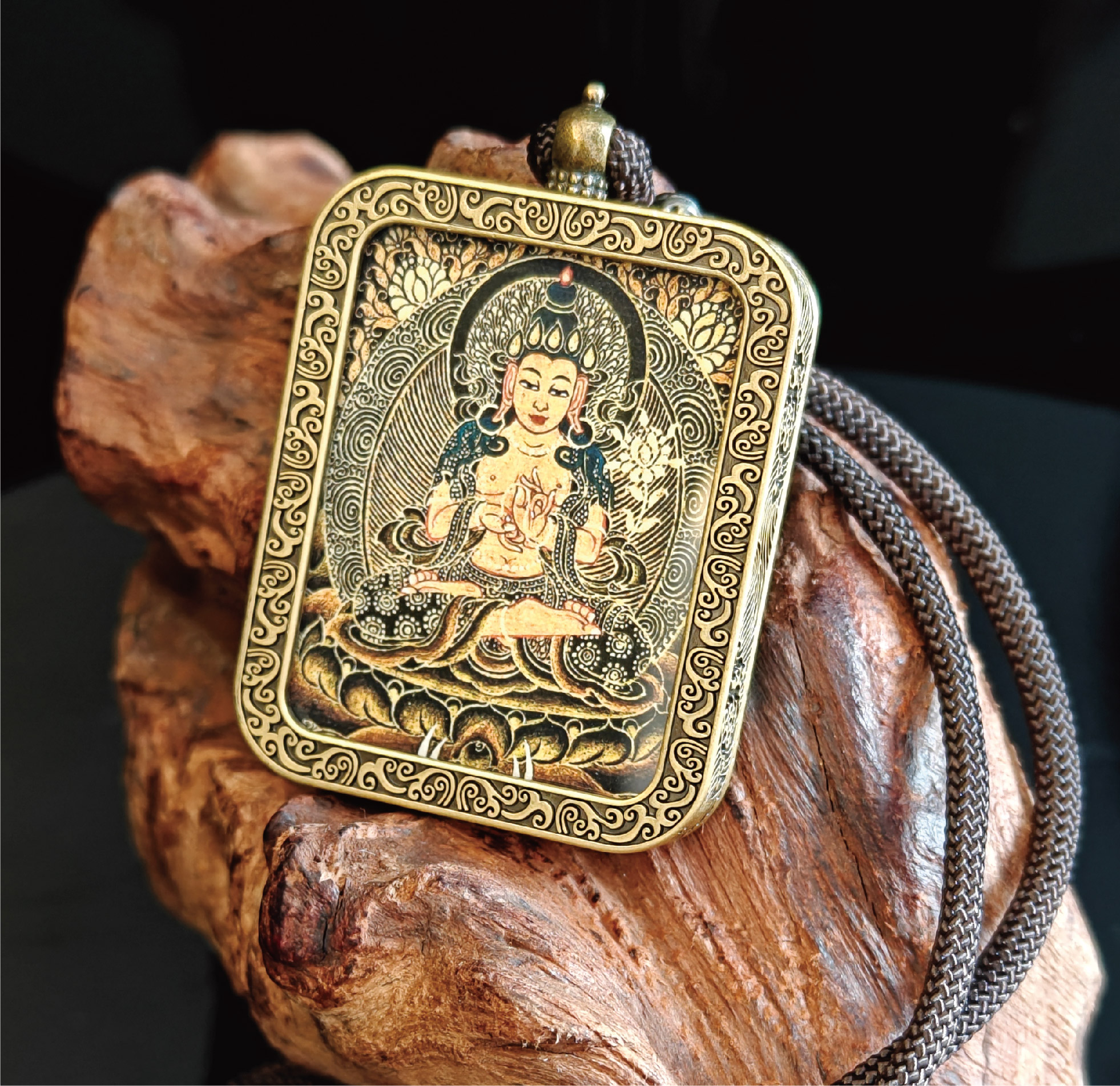
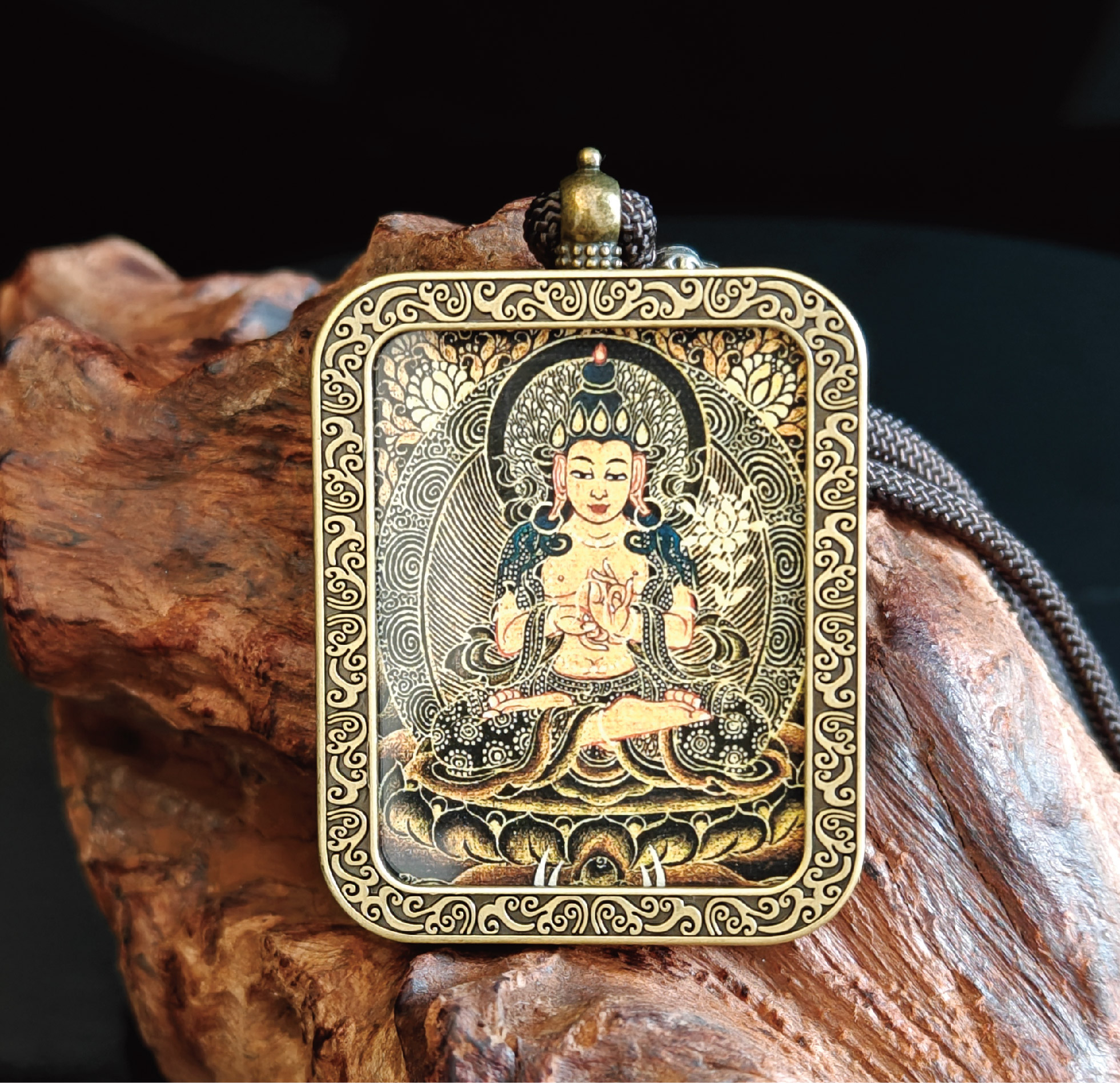
Tibetan Buddhist Style Avalokiteshvara Bodhisattva Lucky Pendant / Plated Alloy, Double-Sided Design, Approximately 40×50×8mm (Including Cord), Black Gold
 On sale
Tibetan Buddhist Style Avalokiteshvara Bodhisattva Lucky Pendant / Plated Alloy, Double-Sided Design, Approximately 40×50×8mm (Including Cord), Black Gold
¥4,580 JPY ¥9,000 JPY -
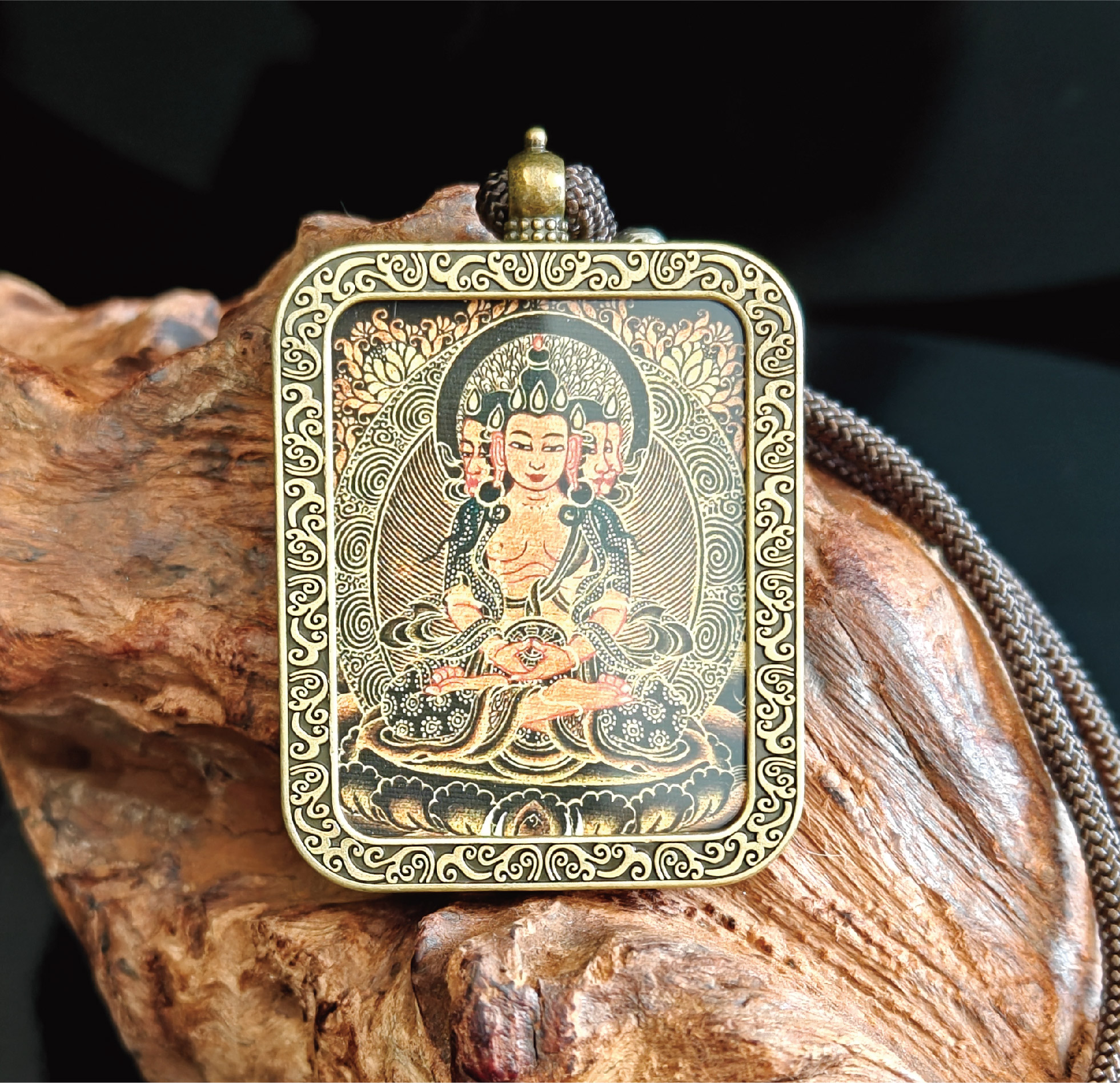
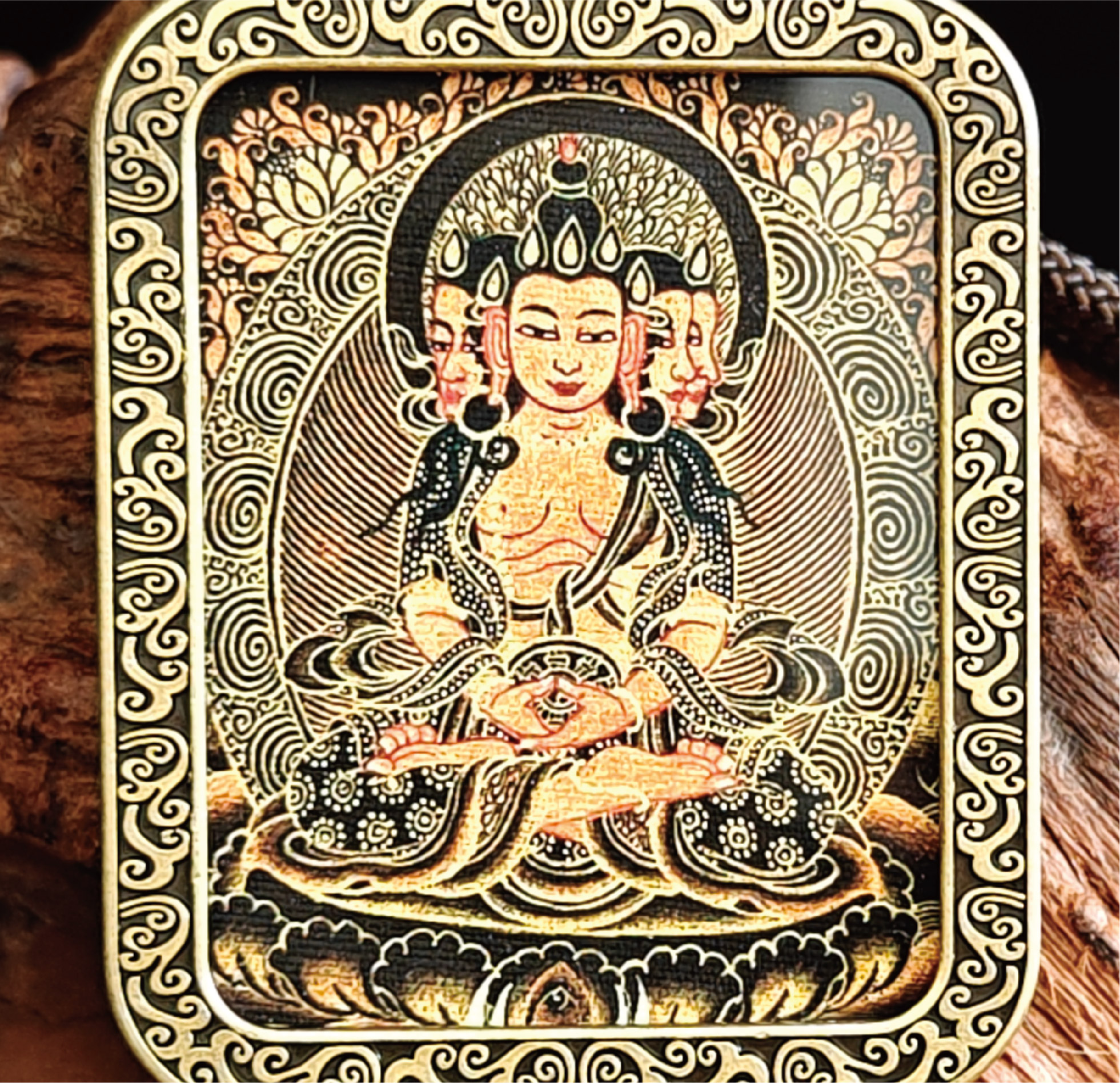
Tibetan Tradition Dainichi Nyorai Tanka Pendant / Plated Alloy, Double-Sided Design, Approximately 40×50×8mm (Including Cord), Black Gold
 On sale
Tibetan Tradition Dainichi Nyorai Tanka Pendant / Plated Alloy, Double-Sided Design, Approximately 40×50×8mm (Including Cord), Black Gold
¥4,580 JPY ¥9,000 JPY -
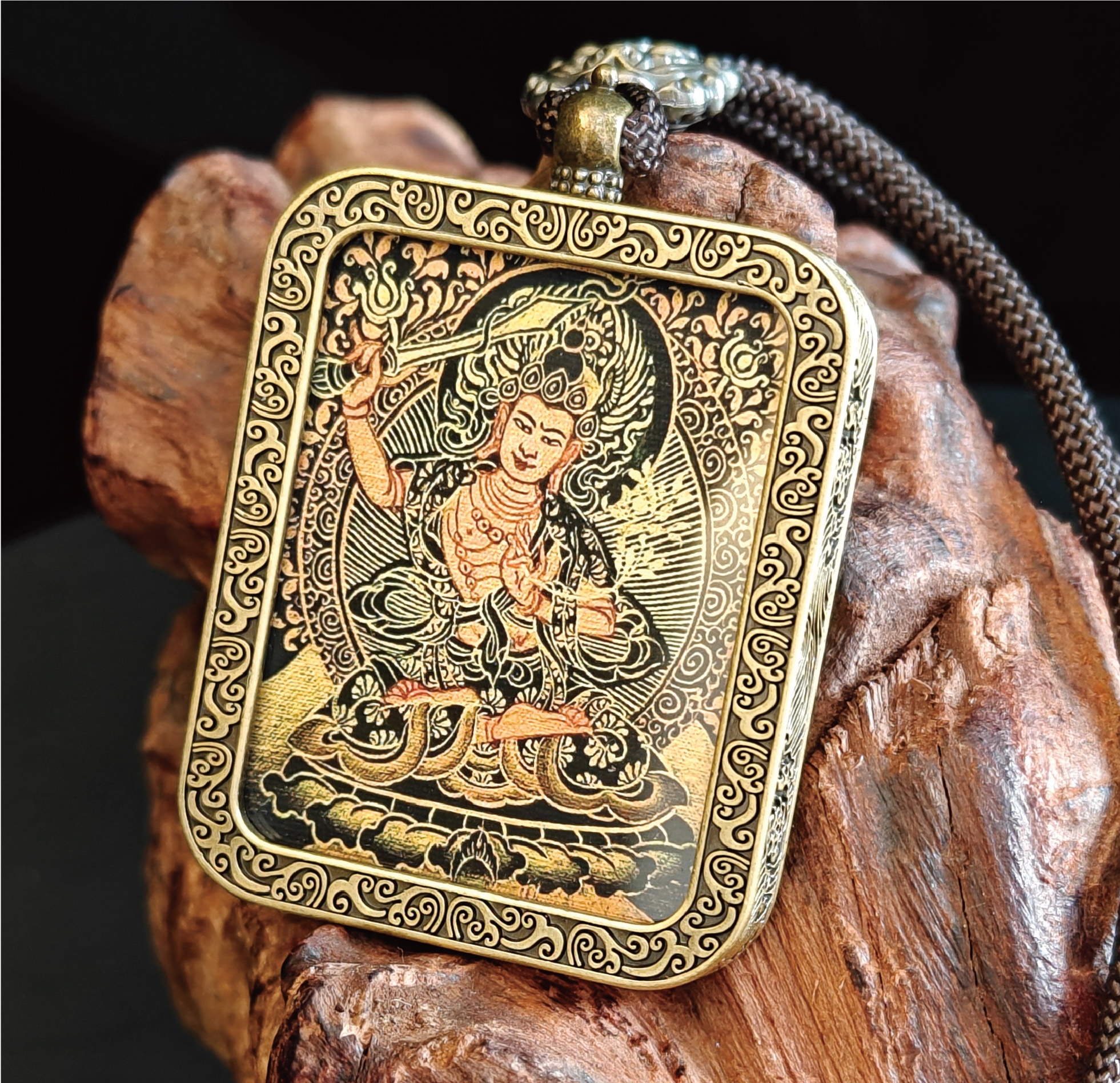
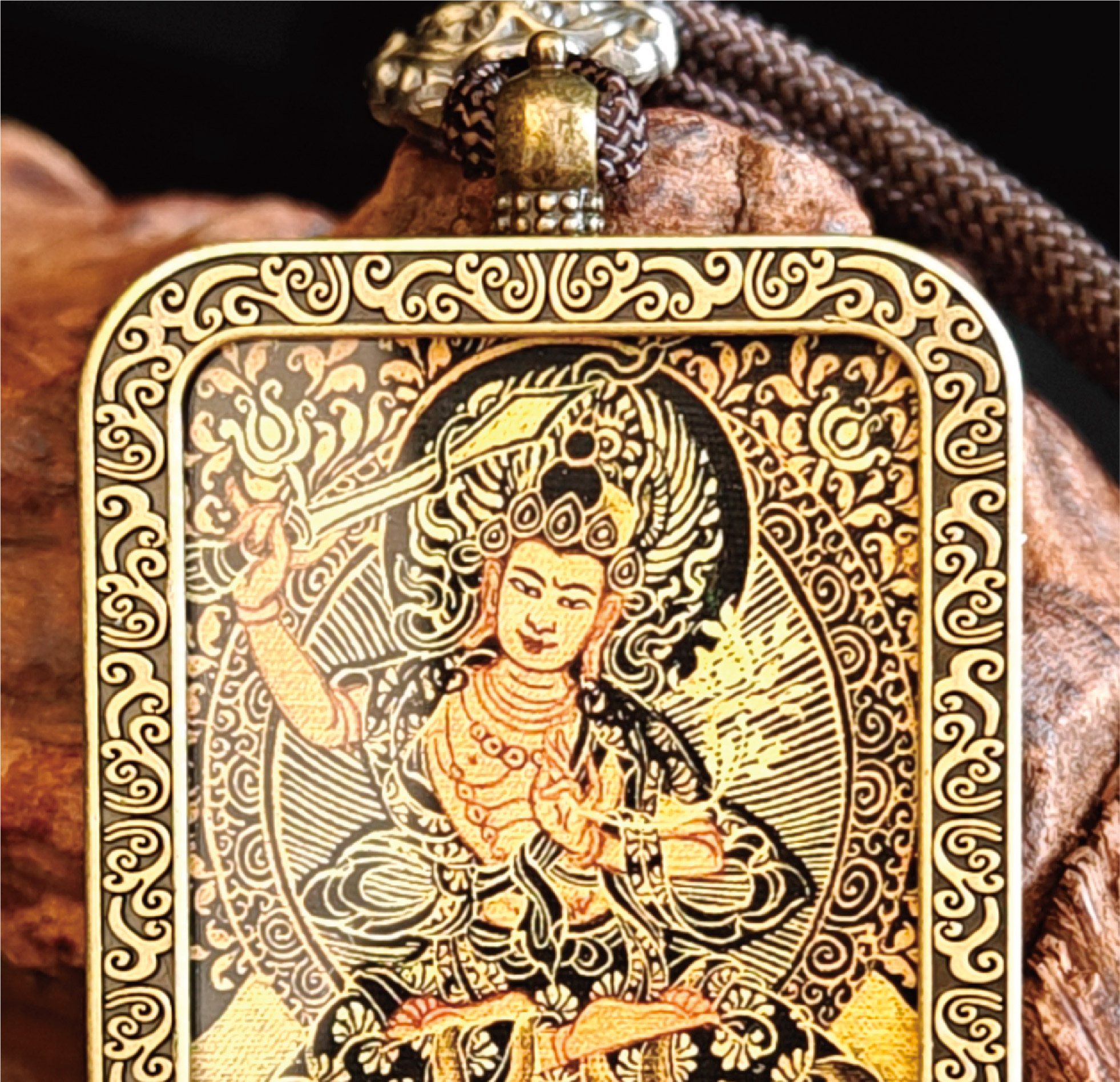
Tibetan Tradition Manjushri Bodhisattva Tanka Pendant / Plated Alloy, Double-Sided Design, Approximately 40×50×8mm (Including Cord), Black Gold
 On sale
Tibetan Tradition Manjushri Bodhisattva Tanka Pendant / Plated Alloy, Double-Sided Design, Approximately 40×50×8mm (Including Cord), Black Gold
¥4,580 JPY ¥9,000 JPY -
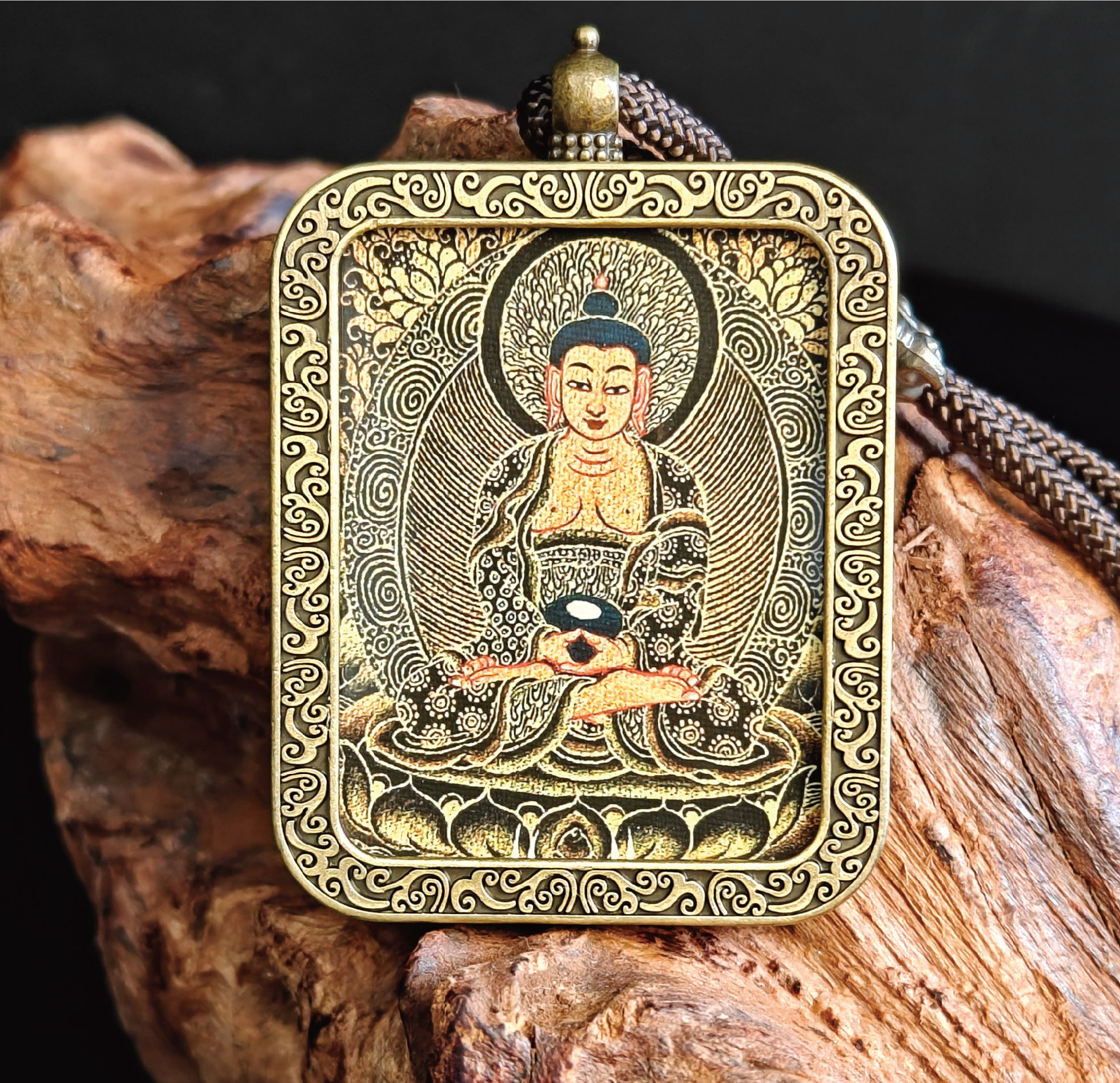
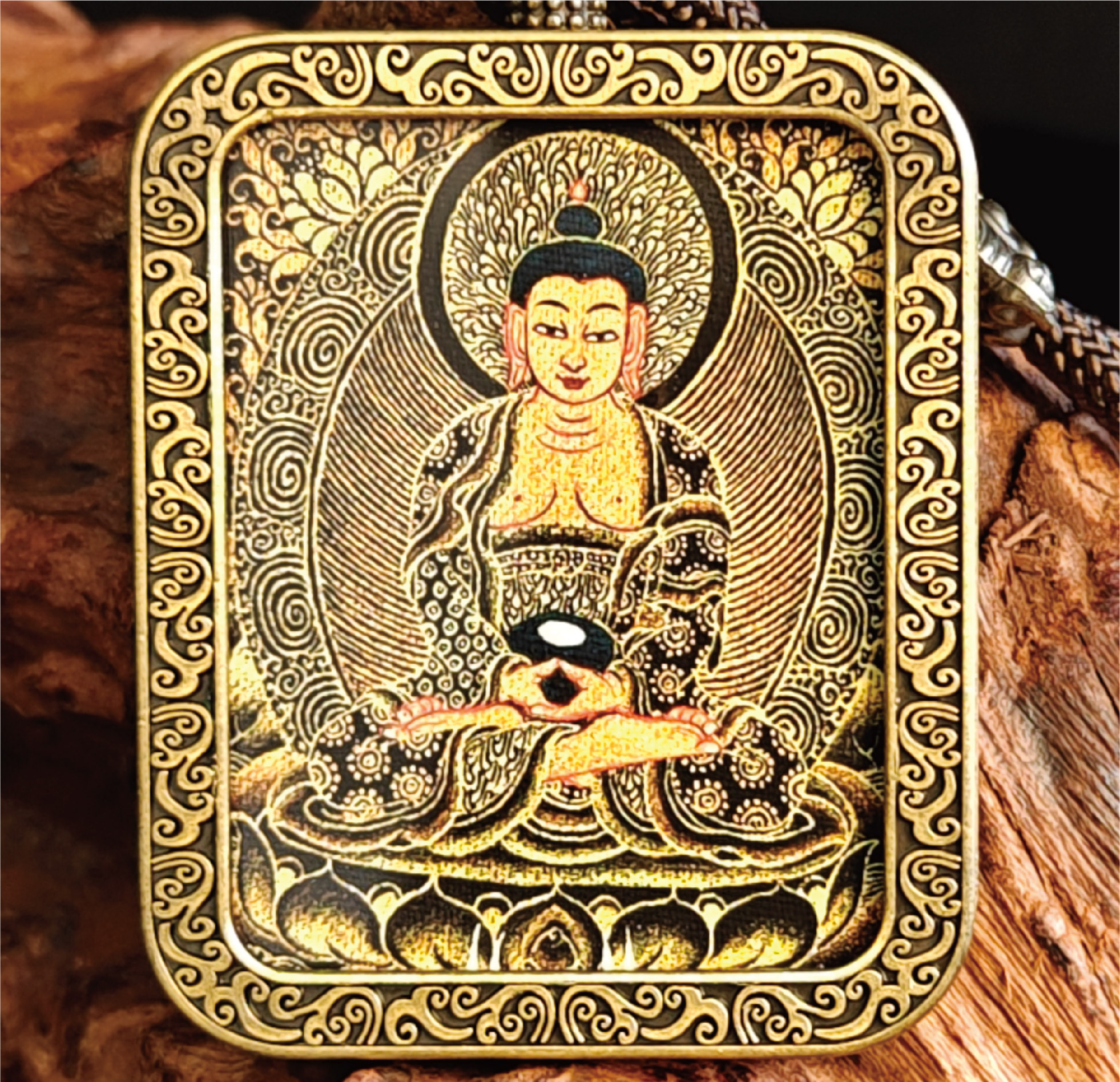
Tibetan Buddhist Amida Buddha Lucky Pendant / Plated Alloy, Double-Sided Design, Approximately 40×50×8mm (Including Cord), Black Gold
 On sale
Tibetan Buddhist Amida Buddha Lucky Pendant / Plated Alloy, Double-Sided Design, Approximately 40×50×8mm (Including Cord), Black Gold
¥4,580 JPY ¥9,000 JPY -
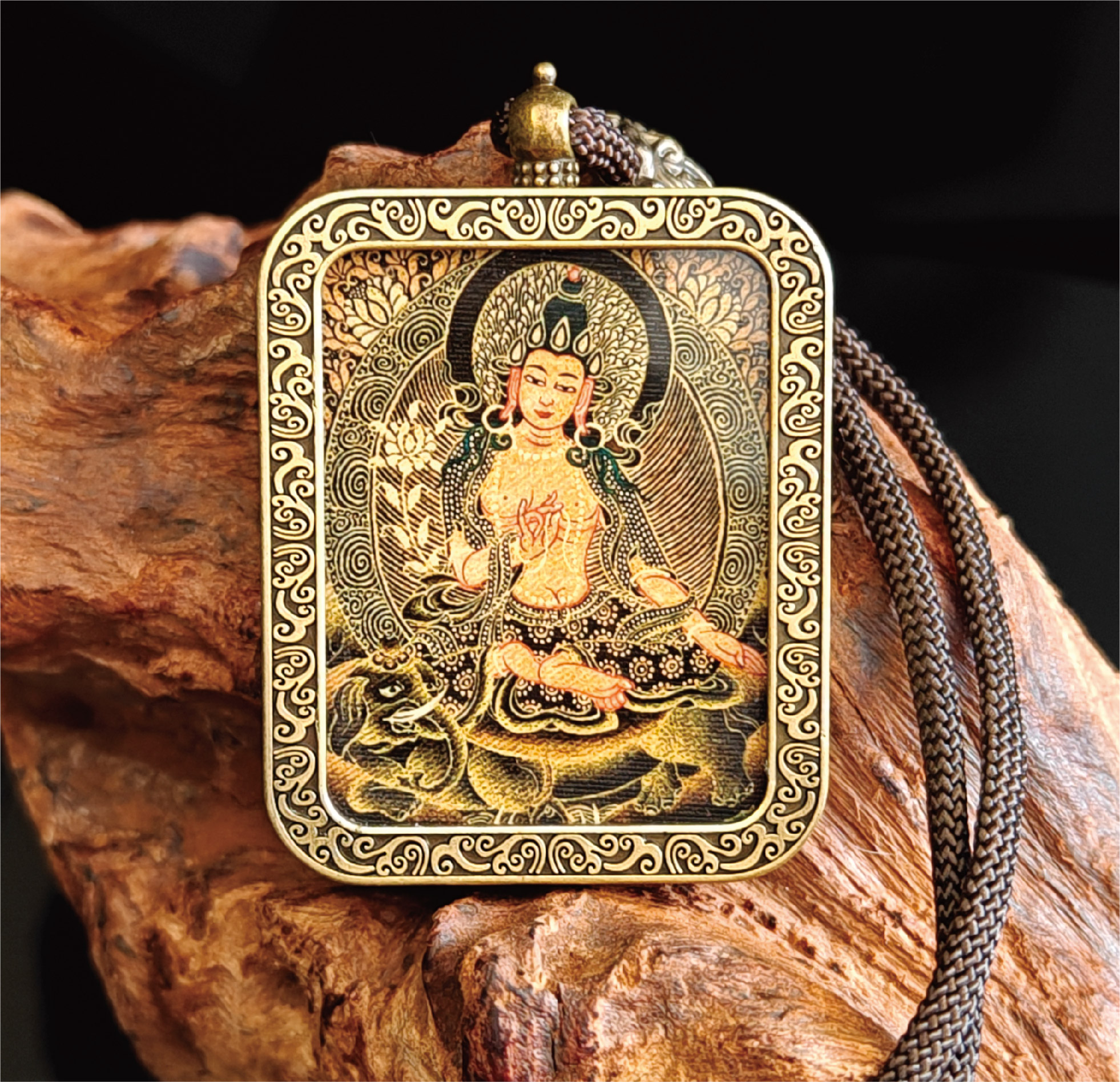
Tibetan Buddhism style Samantabhadra Bodhisattva lucky pendant / plated alloy, double-sided design, approximately 40×50×8mm (including cord), black gold
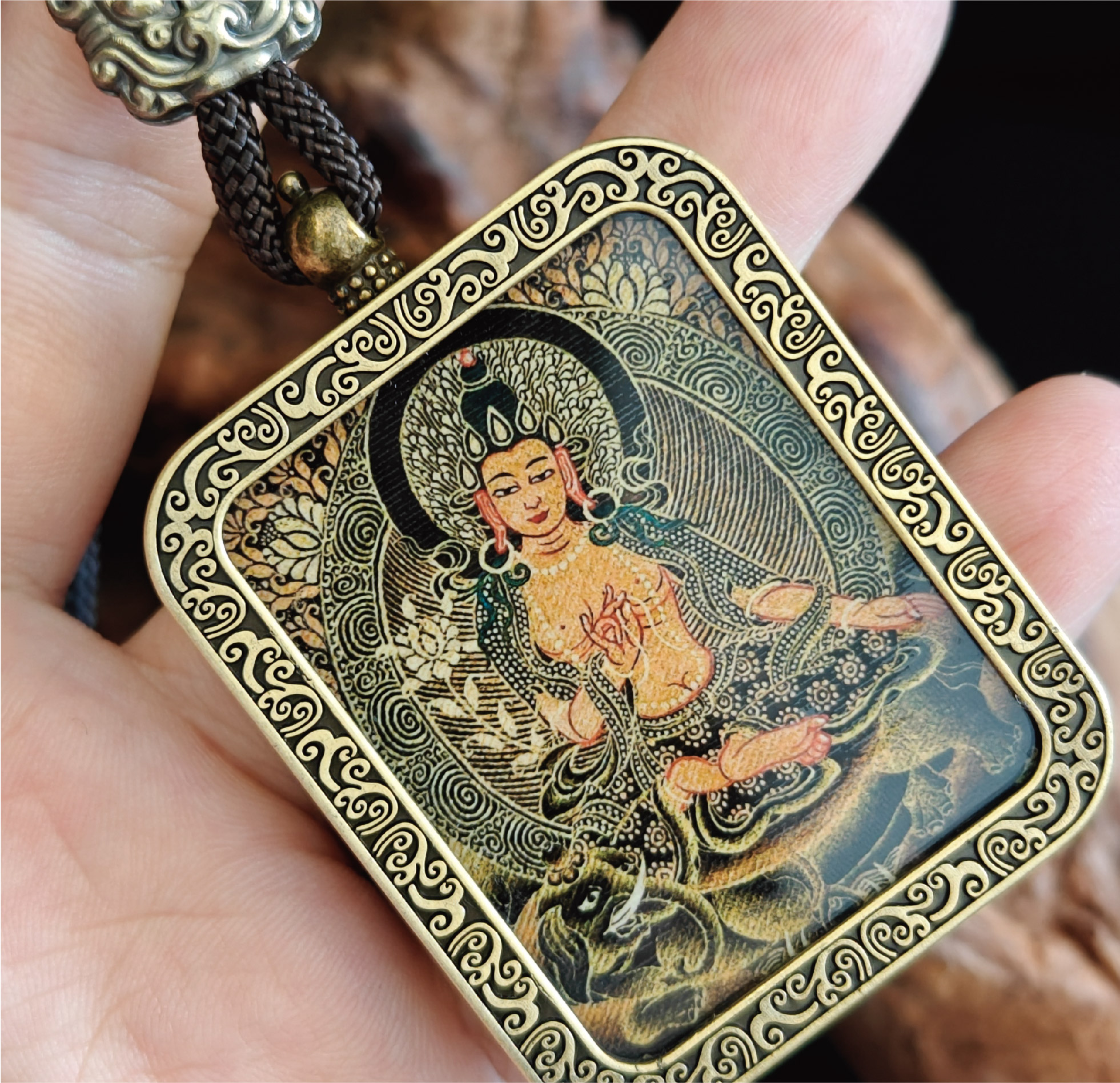 On sale
Tibetan Buddhism style Samantabhadra Bodhisattva lucky pendant / plated alloy, double-sided design, approximately 40×50×8mm (including cord), black gold
¥4,580 JPY ¥9,000 JPY -
Tibetan Buddhist Style Kṣitigarbha Bodhisattva Lucky Pendant / Plated Alloy, Double-Sided Design, Approximately 40×50×8mm (Including Cord), Black Gold
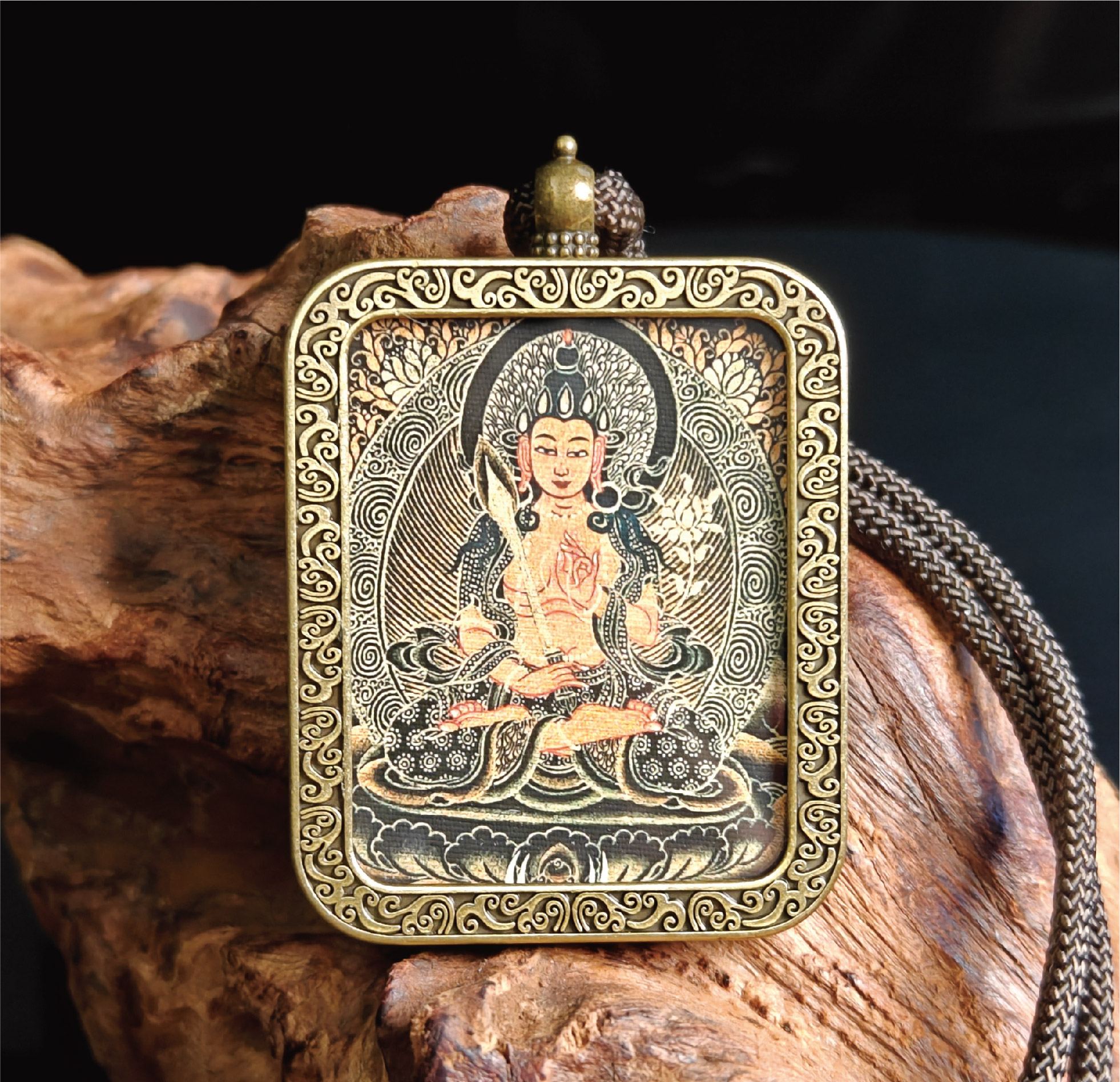
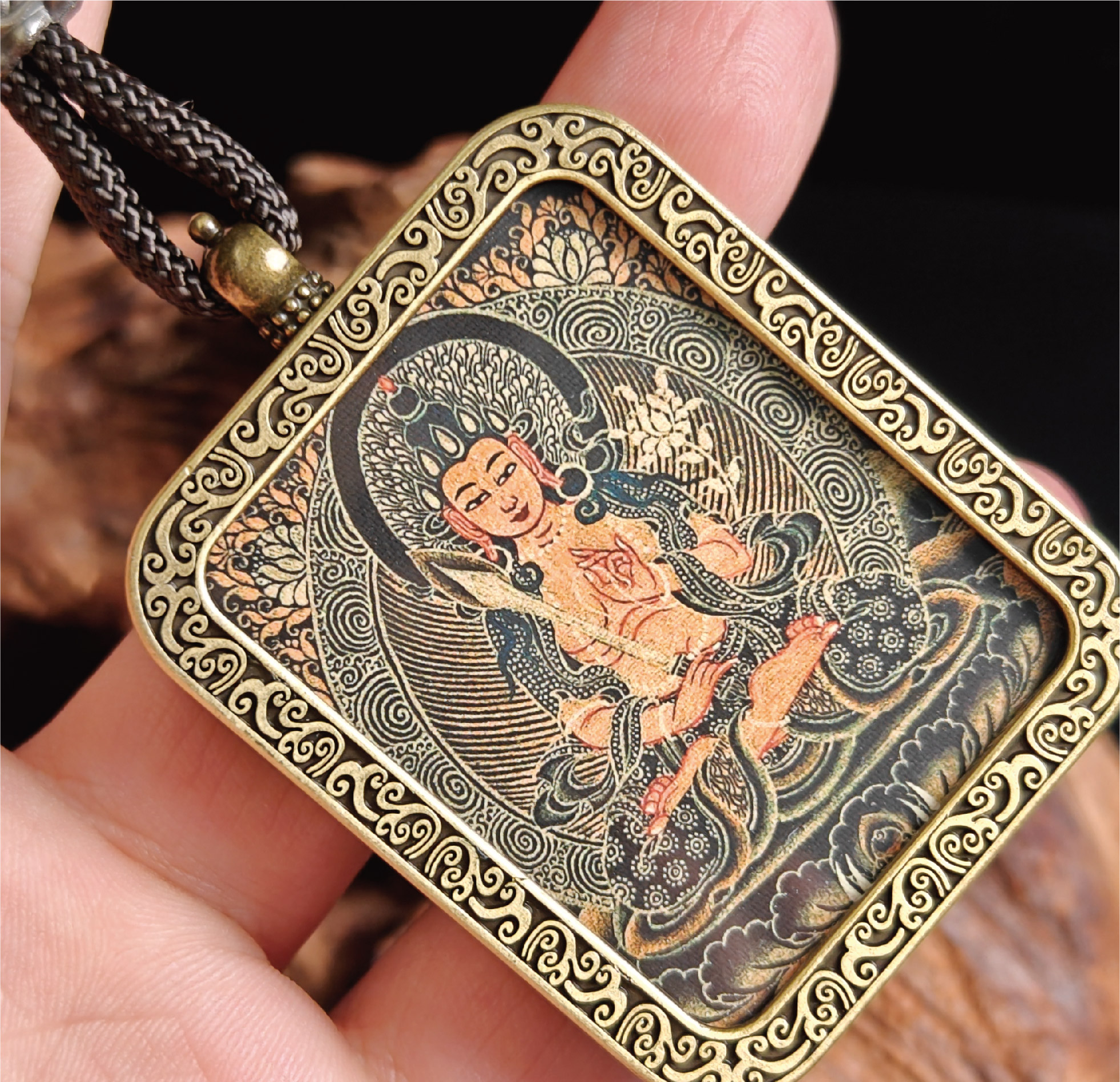 On sale
Tibetan Buddhist Style Kṣitigarbha Bodhisattva Lucky Pendant / Plated Alloy, Double-Sided Design, Approximately 40×50×8mm (Including Cord), Black Gold
¥4,580 JPY ¥9,000 JPY
A pendant featuring a three-dimensional Tang Dynasty dolphin adorned with cinnabar.
-
Thangka pendant of the Bodhisattva Kokuzo (Akasagarbha Bodhisattva) / Red sand painting, three-dimensional sculpture, approximately 47mm x 57mm, double-sided design, with cord.
On sale
Thangka pendant of the Bodhisattva Kokuzo (Akasagarbha Bodhisattva) / Red sand painting, three-dimensional sculpture, approximately 47mm x 57mm, double-sided design, with cord.
¥4,500 JPY ¥9,000 JPY -
Thangka pendant of Manjushri Bodhisattva (from the Tang Dynasty tradition) / Red sand painting, three-dimensional carving, approximately 47mm x 57mm, double-sided design, with cord.
On sale
Thangka pendant of Manjushri Bodhisattva (from the Tang Dynasty tradition) / Red sand painting, three-dimensional carving, approximately 47mm x 57mm, double-sided design, with cord.
¥4,500 JPY ¥9,000 JPY -
Thangka pendant of Dainichi Nyorai (Vairocana Buddha) from the ancient tradition / Red sand painting, three-dimensional carving, approximately 47mm x 57mm, double-sided design, with cord.
On sale
Thangka pendant of Dainichi Nyorai (Vairocana Buddha) from the ancient tradition / Red sand painting, three-dimensional carving, approximately 47mm x 57mm, double-sided design, with cord.
¥4,500 JPY ¥9,000 JPY -
Thangka pendant of the legendary Amida Buddha / Red sand painting, three-dimensional carving, approximately 47mm x 57mm, double-sided design, with cord.
On sale
Thangka pendant of the legendary Amida Buddha / Red sand painting, three-dimensional carving, approximately 47mm x 57mm, double-sided design, with cord.
¥4,500 JPY ¥9,000 JPY -
Thangka pendant of the four-armed Kannon from the Tang Dynasty / Red sand painting, three-dimensional sculpture, approximately 47mm x 57mm, double-sided design, with cord.
On sale
Thangka pendant of the four-armed Kannon from the Tang Dynasty / Red sand painting, three-dimensional sculpture, approximately 47mm x 57mm, double-sided design, with cord.
¥4,500 JPY ¥9,000 JPY -
Thangka pendant of Fudo Myoo (Acala), depicting the ancient monk of the Kurano family. Features include red sand painting, three-dimensional carving, approximately 47mm x 57mm, double-sided design, and a cord.
On sale
Thangka pendant of Fudo Myoo (Acala), depicting the ancient monk of the Kurano family. Features include red sand painting, three-dimensional carving, approximately 47mm x 57mm, double-sided design, and a cord.
¥4,500 JPY ¥9,000 JPY -
Thangka pendant of Samantabhadra Bodhisattva / Red sand painting, three-dimensional carving, approximately 47mm x 57mm, double-sided design, with cord.
On sale
Thangka pendant of Samantabhadra Bodhisattva / Red sand painting, three-dimensional carving, approximately 47mm x 57mm, double-sided design, with cord.
¥4,500 JPY ¥9,000 JPY -
Thangka pendant of the legendary Amida Buddha / Red sand painting, three-dimensional carving, approximately 47mm x 57mm, double-sided design, with cord.
On sale
Thangka pendant of the legendary Amida Buddha / Red sand painting, three-dimensional carving, approximately 47mm x 57mm, double-sided design, with cord.
¥4,500 JPY ¥9,000 JPY
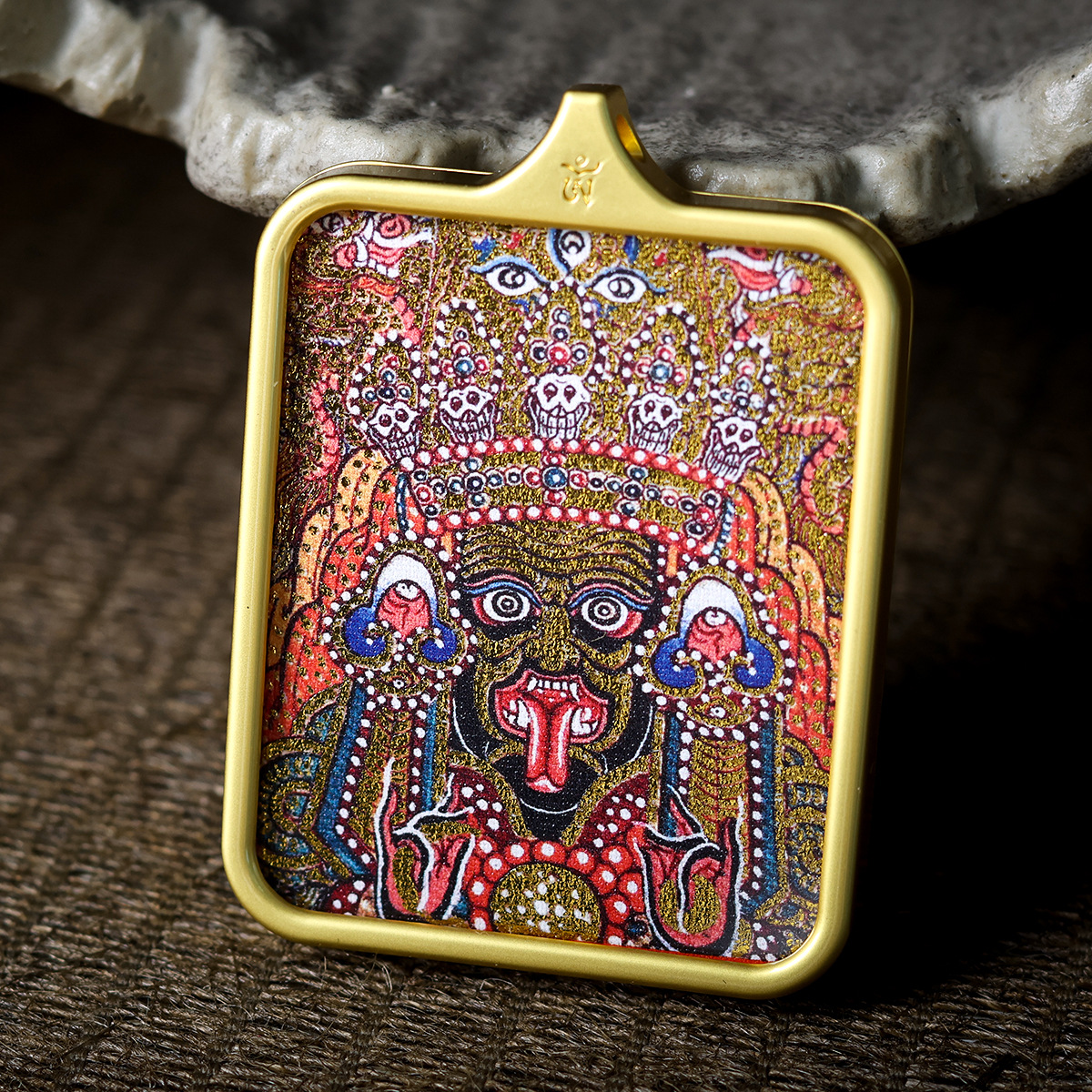
Image with text
There is no consensus on the origin of thangkas, but it is generally believed that they originated from murals.
After Songtsen Gampo established Lhasa as the capital, the development of agricultural civilization provided the necessary material resources for thangka production. When Princess Wencheng and Princess Jincheng entered Tibet, they brought with them the culture of the Central Plains and foreign cultures. Furthermore, with the introduction and development of Buddhism, these elements fused together to give birth to the art of thangka painting. Thangka pendants are products that combine this thangka art with modern jewelry design, embodying painting, religion, history, and folklore all in one.
While inheriting the artistic essence of Tanka, it is designed for convenience, allowing people to wear and carry it easily, thereby increasing knowledge and enhancing dignity and culture.
After Songtsen Gampo established Lhasa as the capital, the development of agricultural civilization provided the necessary material resources for thangka production. When Princess Wencheng and Princess Jincheng entered Tibet, they brought with them the culture of the Central Plains and foreign cultures. Furthermore, with the introduction and development of Buddhism, these elements fused together to give birth to the art of thangka painting. Thangka pendants are products that combine this thangka art with modern jewelry design, embodying painting, religion, history, and folklore all in one.
While inheriting the artistic essence of Tanka, it is designed for convenience, allowing people to wear and carry it easily, thereby increasing knowledge and enhancing dignity and culture.
Heianpai pendant
-
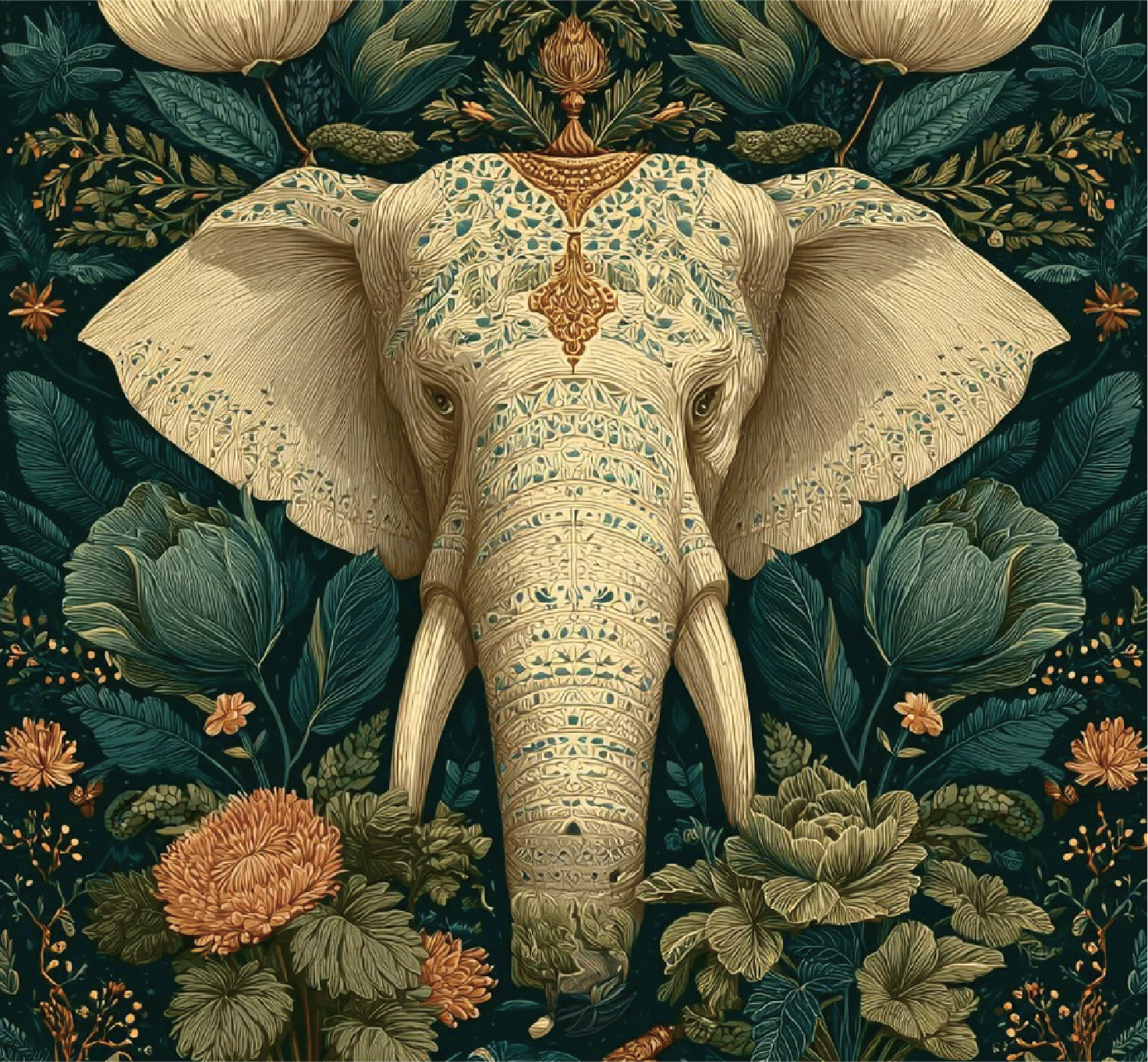
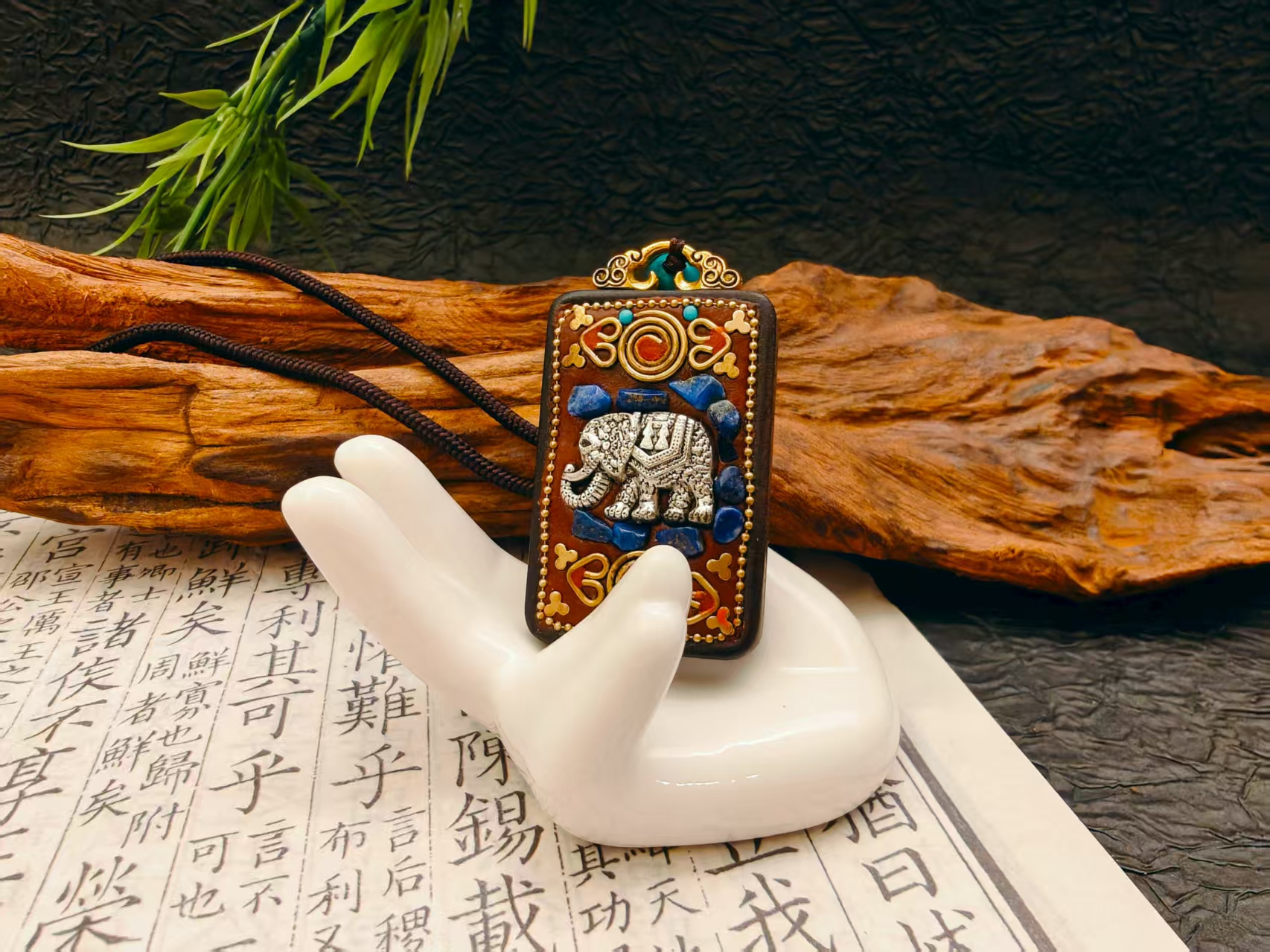
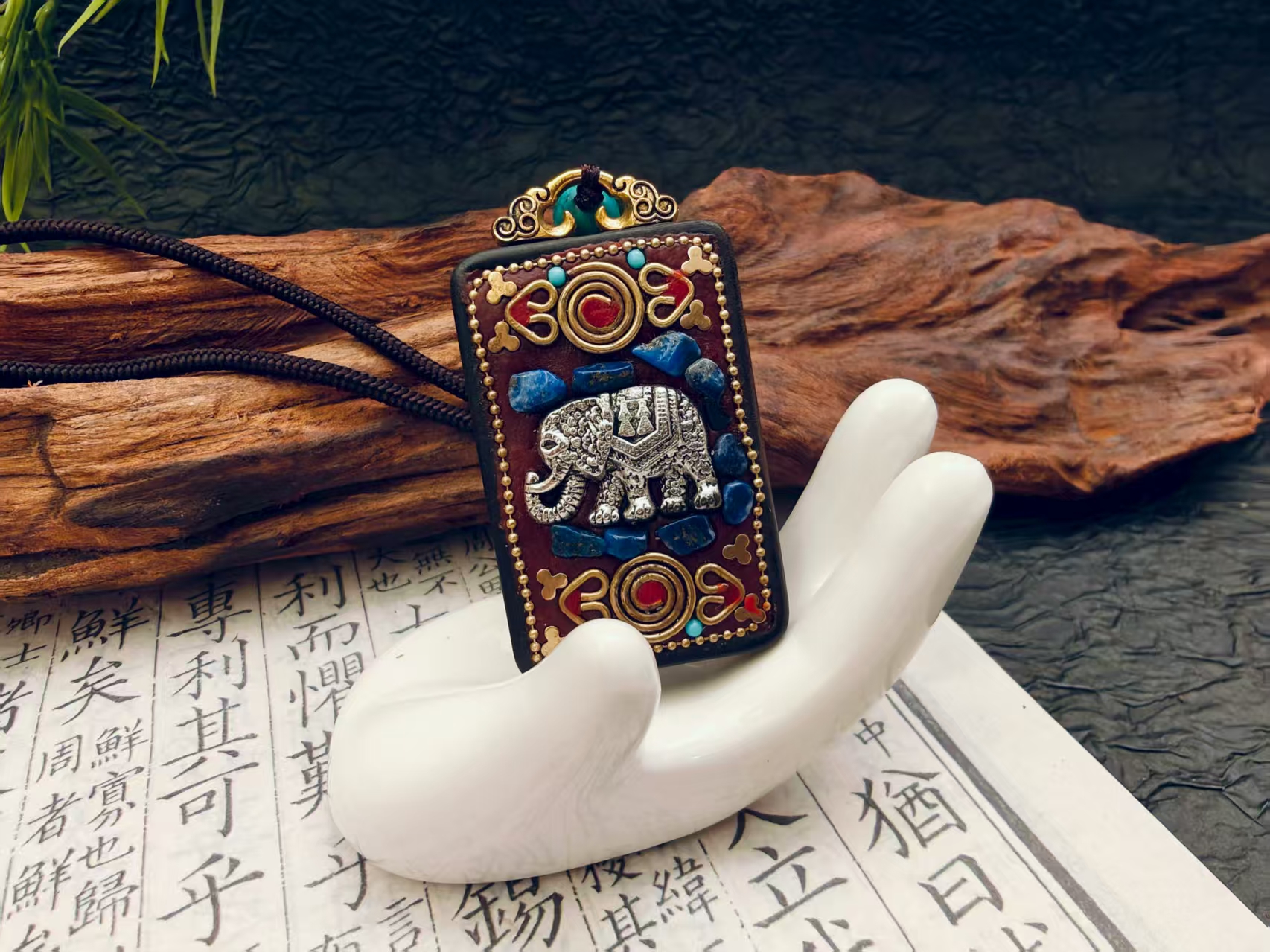
Thangka Ping Pai Small Divine Elephant Necklace / Ebony, Copper Ornament, 60mm-33mm, (with cord)
 On sale
Thangka Ping Pai Small Divine Elephant Necklace / Ebony, Copper Ornament, 60mm-33mm, (with cord)
¥4,350 JPY ¥8,700 JPY -
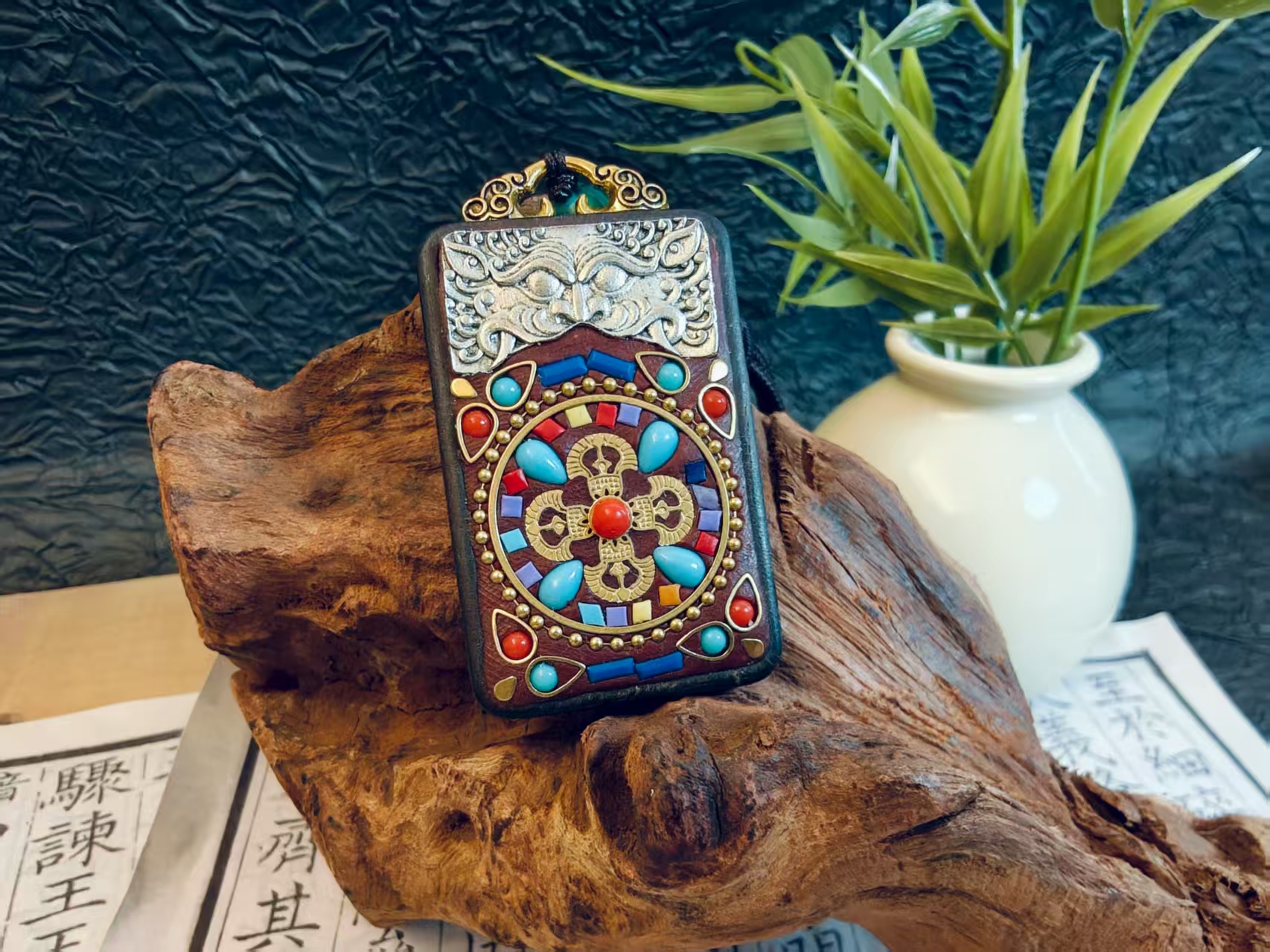
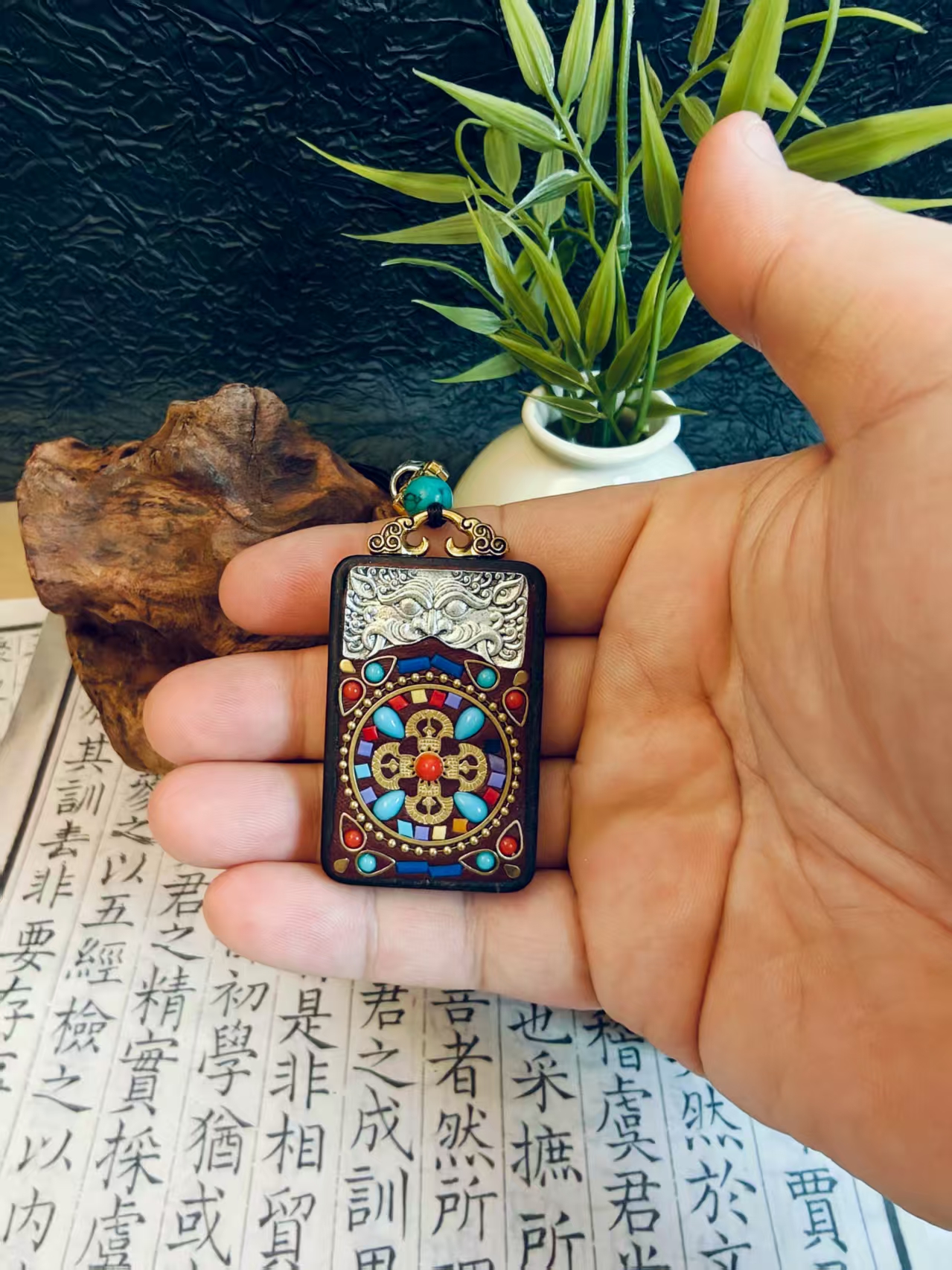
Thangka Ping An Pai Cross Vajra Necklace / Ebony, Copper Ornament, 60mm-33mm, (with cord)
 On sale
Thangka Ping An Pai Cross Vajra Necklace / Ebony, Copper Ornament, 60mm-33mm, (with cord)
¥4,350 JPY ¥8,700 JPY -
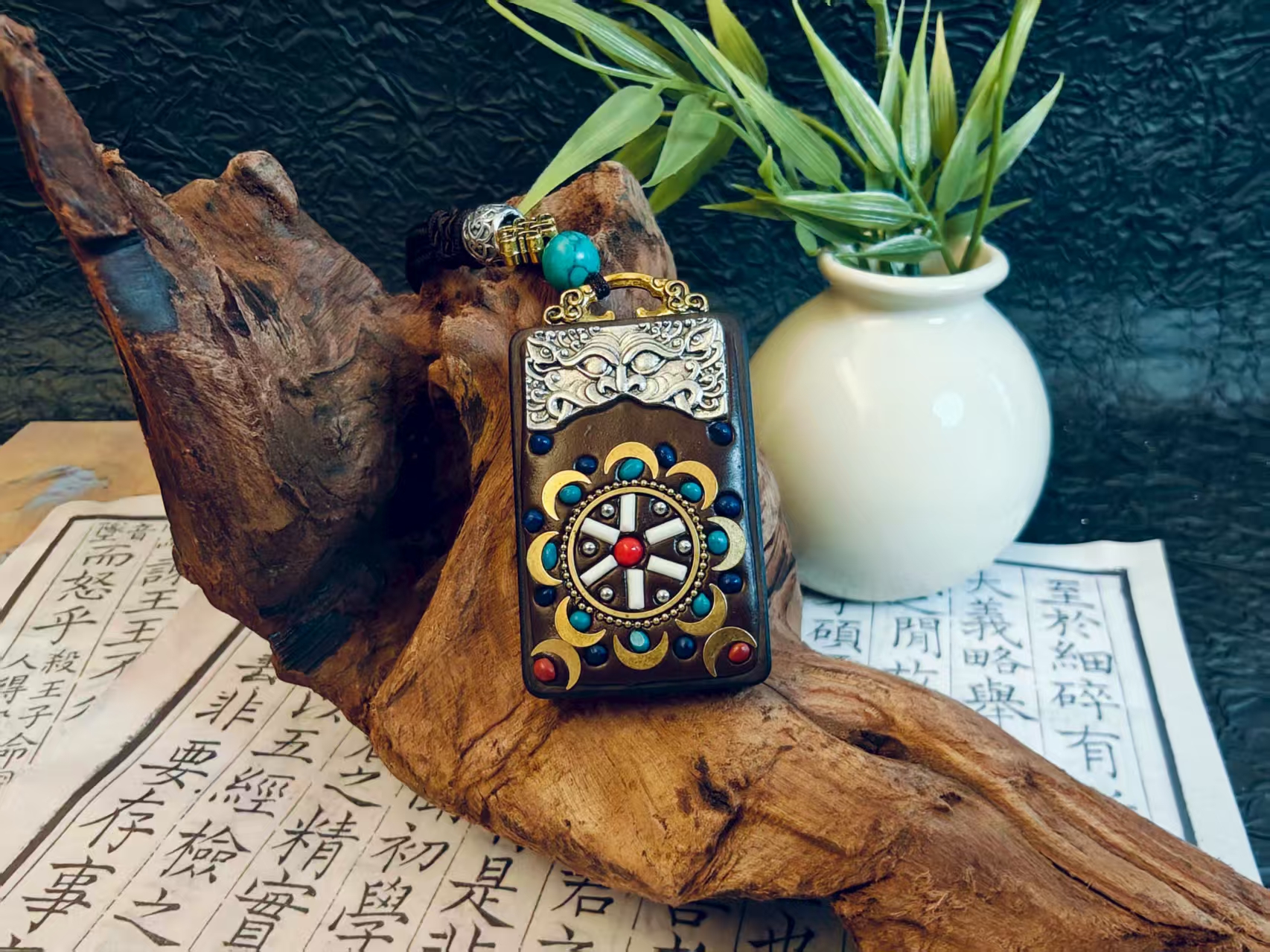
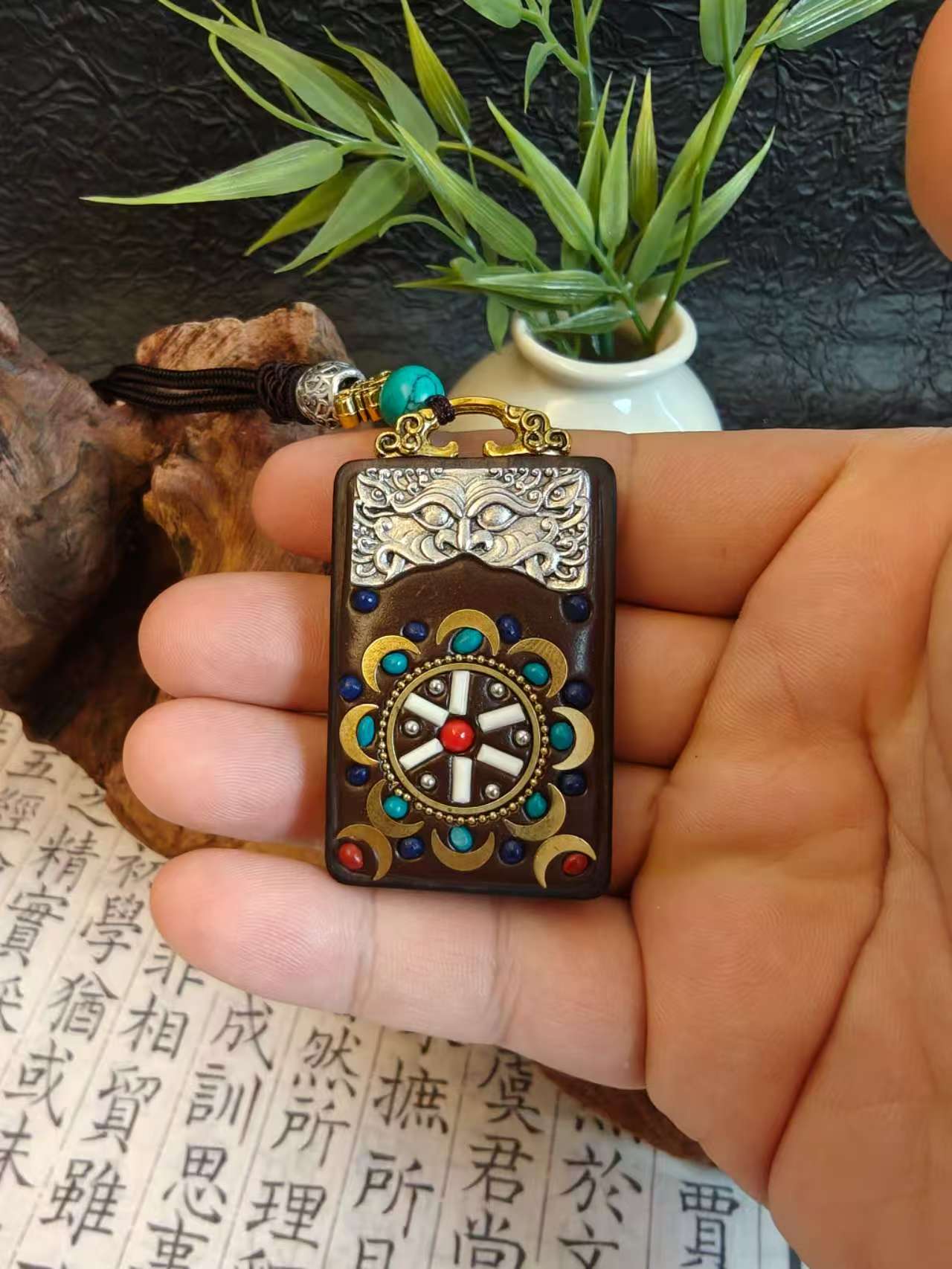
Thangka Ping An Pai Gold Ring Necklace / Ebony, Copper Ornament, 60mm-33mm, (with cord)
 On sale
Thangka Ping An Pai Gold Ring Necklace / Ebony, Copper Ornament, 60mm-33mm, (with cord)
¥4,350 JPY ¥8,700 JPY -
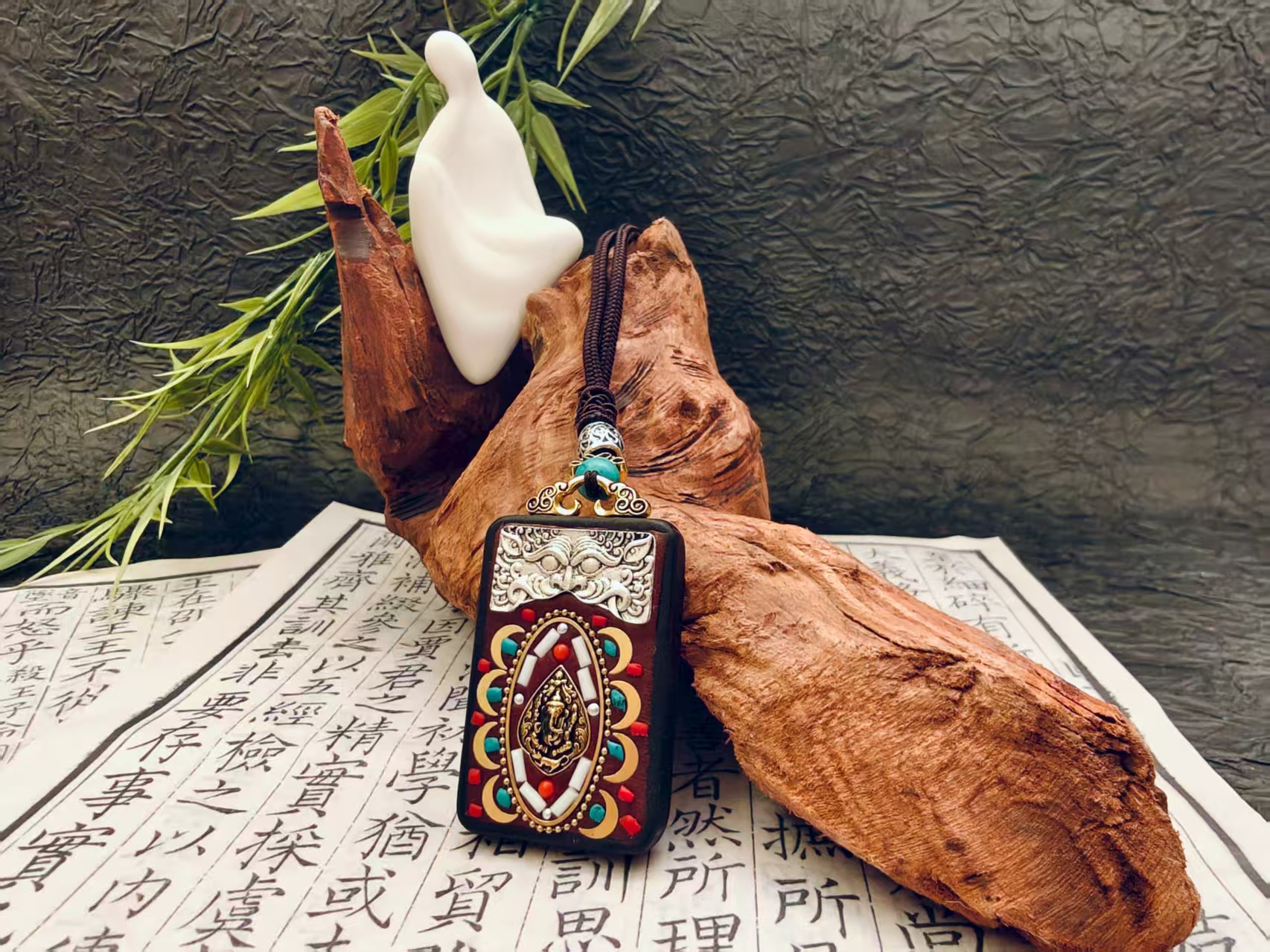
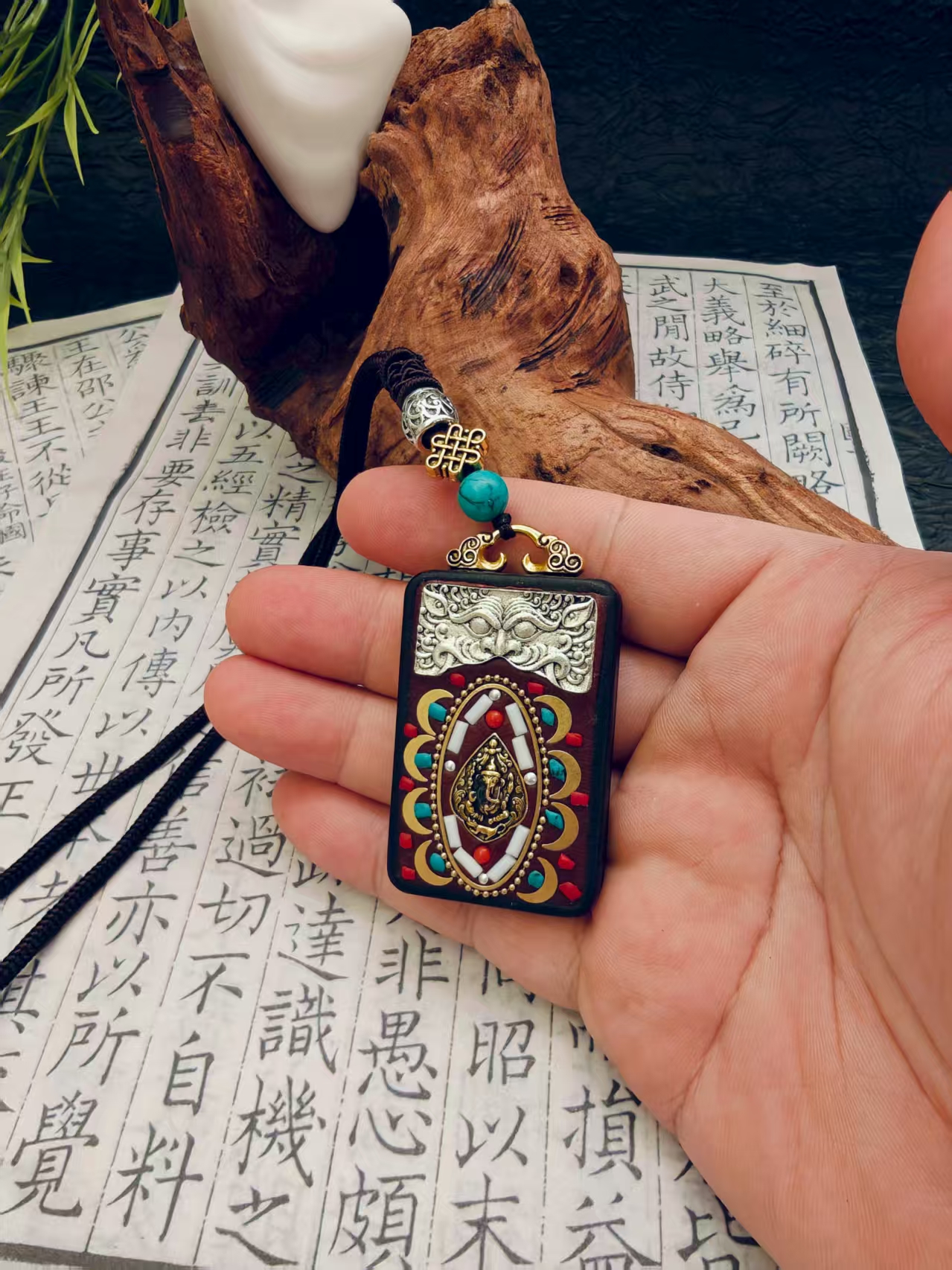
Thang'an Elephant Motif Necklace / Ebony, Copper Trim, 60mm-33mm, (with cord)
 On sale
Thang'an Elephant Motif Necklace / Ebony, Copper Trim, 60mm-33mm, (with cord)
¥4,350 JPY ¥8,700 JPY -
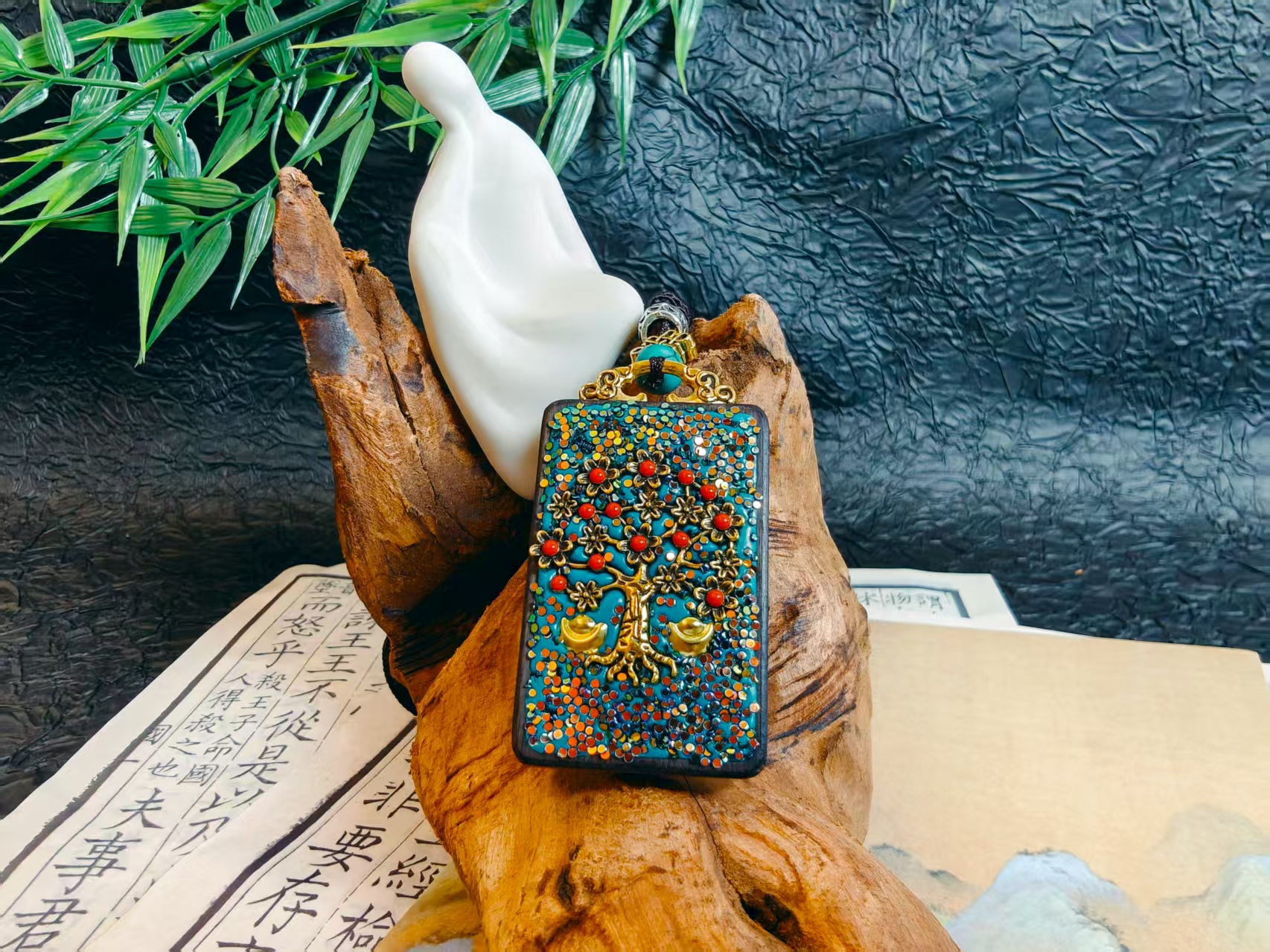
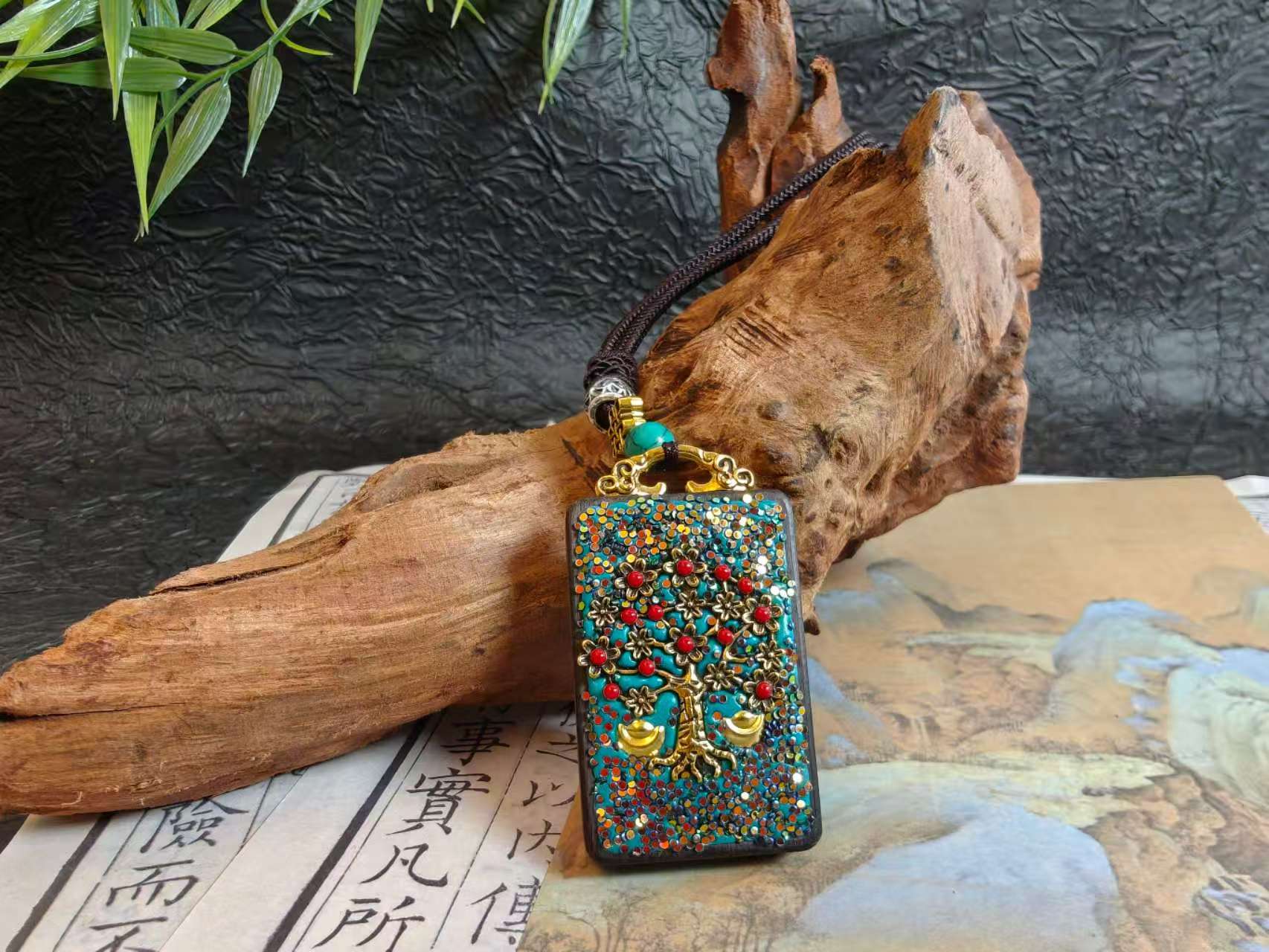
Thang An brand Fa Cai Xiu necklace / Ebony, copper ornament, 60mm-33mm, (with cord)
 On sale
Thang An brand Fa Cai Xiu necklace / Ebony, copper ornament, 60mm-33mm, (with cord)
¥4,350 JPY ¥8,700 JPY -
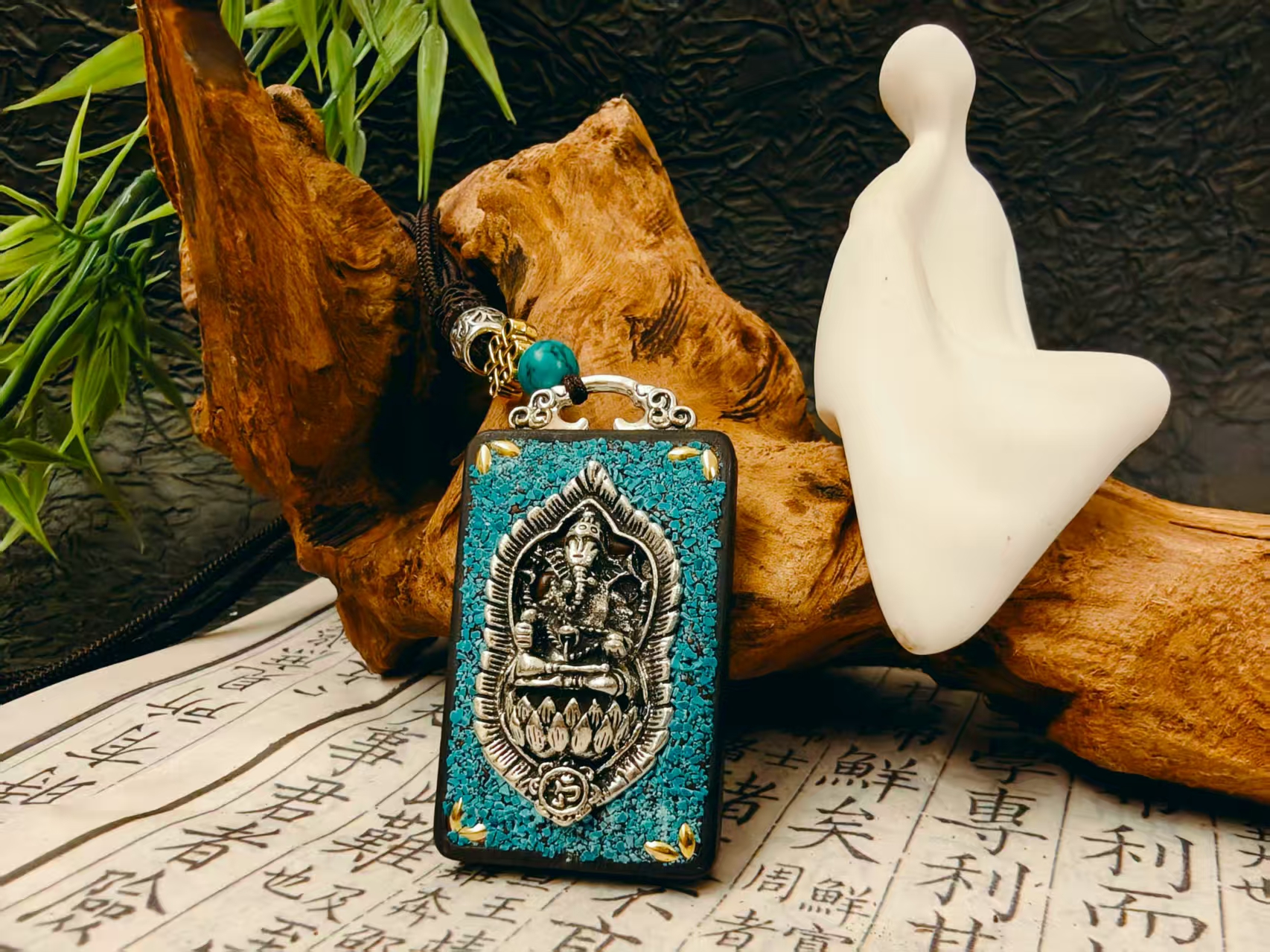
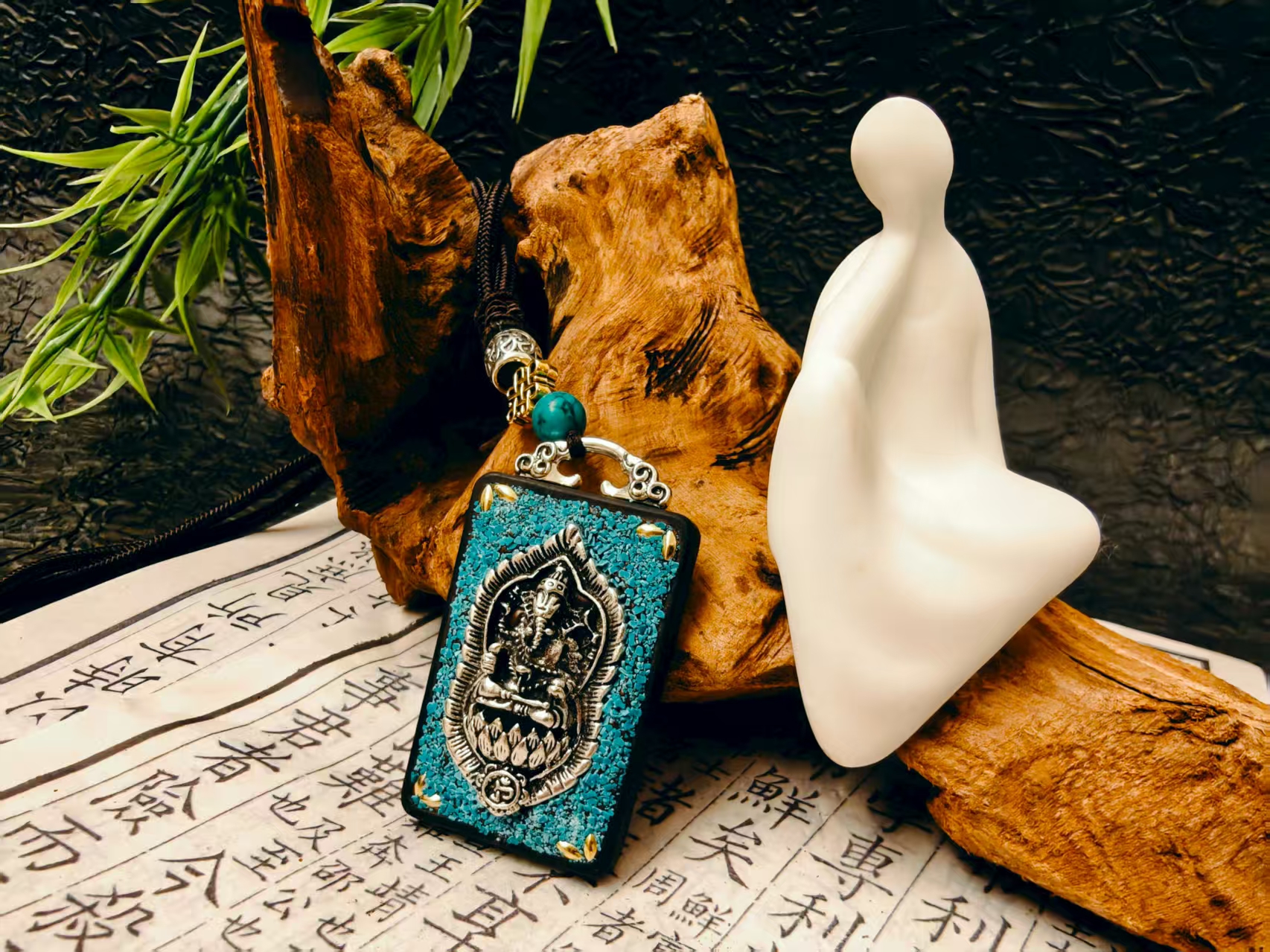
Thangka Ping Pavilion Lotus Pedestal Elephant Seated Necklace / Ebony, Copper Ornament, 60mm-33mm, (with cord)
 On sale
Thangka Ping Pavilion Lotus Pedestal Elephant Seated Necklace / Ebony, Copper Ornament, 60mm-33mm, (with cord)
¥4,350 JPY ¥8,700 JPY -
Zui Jiu (瑞獣) - Nine Palace Eight Trigrams Plate (九宮八卦牌) / Ebony, Copper Decoration, 60mm-33mm, (With Cord)
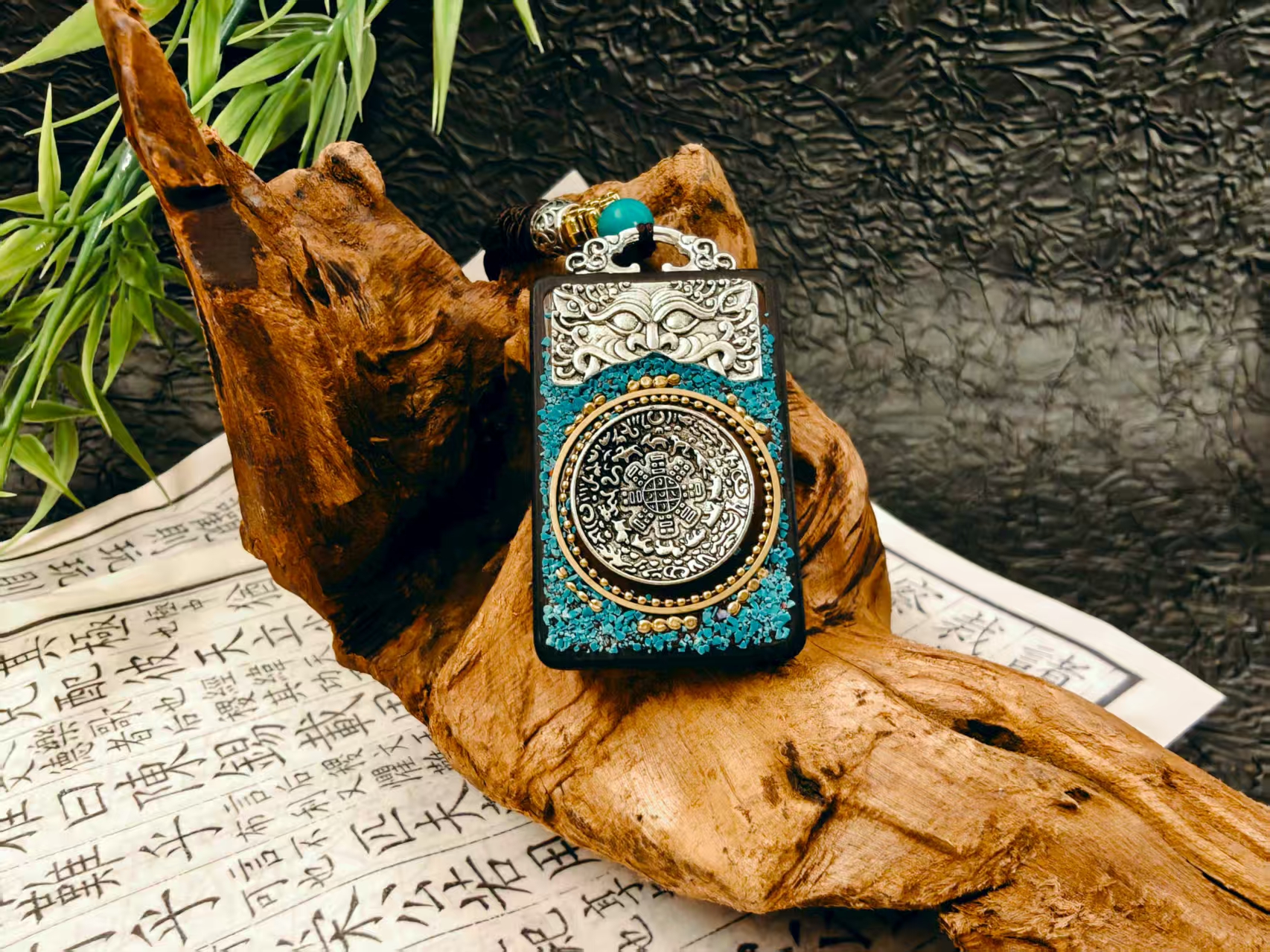
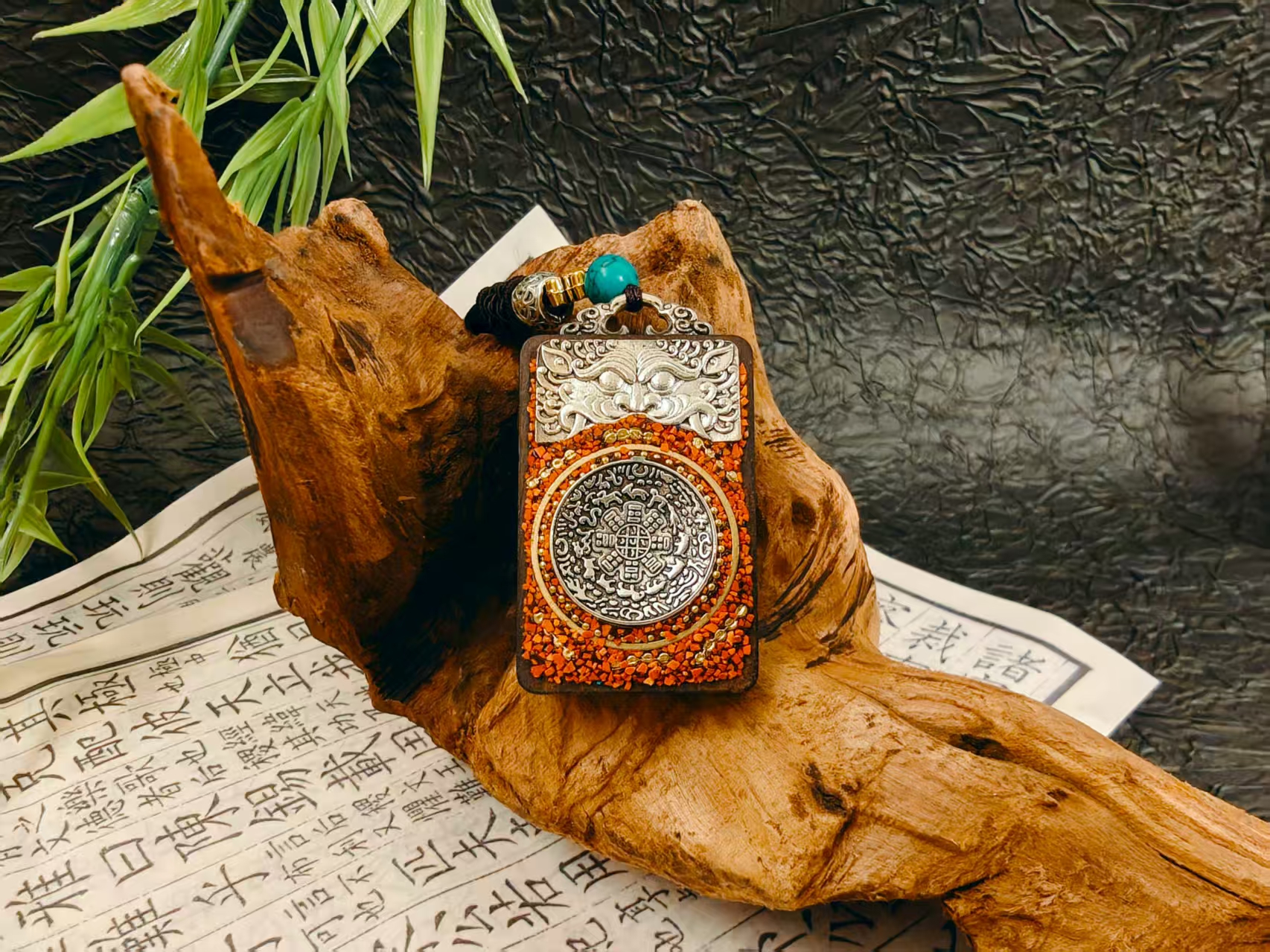 On sale
Zui Jiu (瑞獣) - Nine Palace Eight Trigrams Plate (九宮八卦牌) / Ebony, Copper Decoration, 60mm-33mm, (With Cord)
¥4,350 JPY ¥8,700 JPY -
Thang'an Brand Double Fish Necklace / Ebony, Copper Ornament, 60mm-33mm, (with cord)
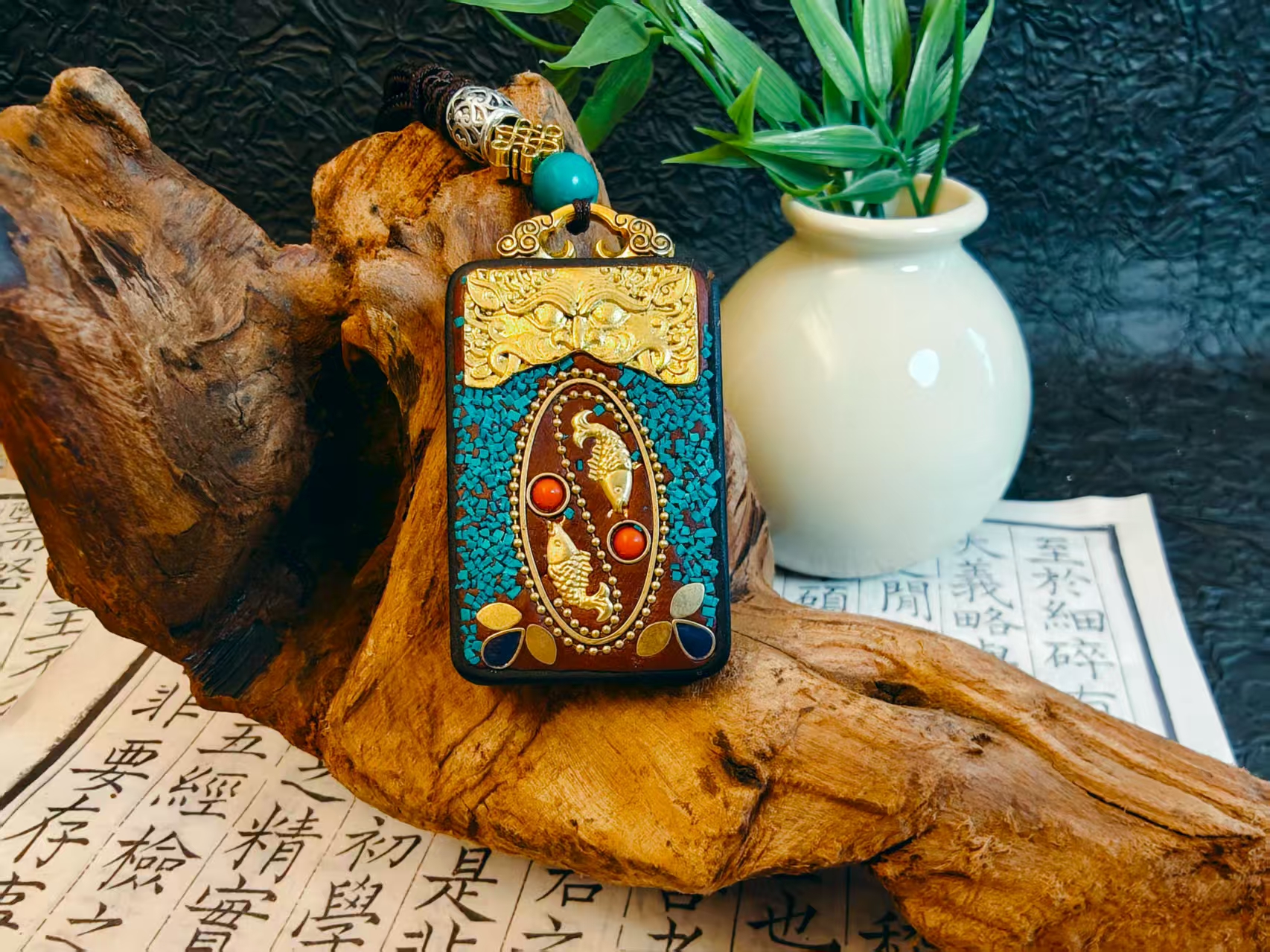
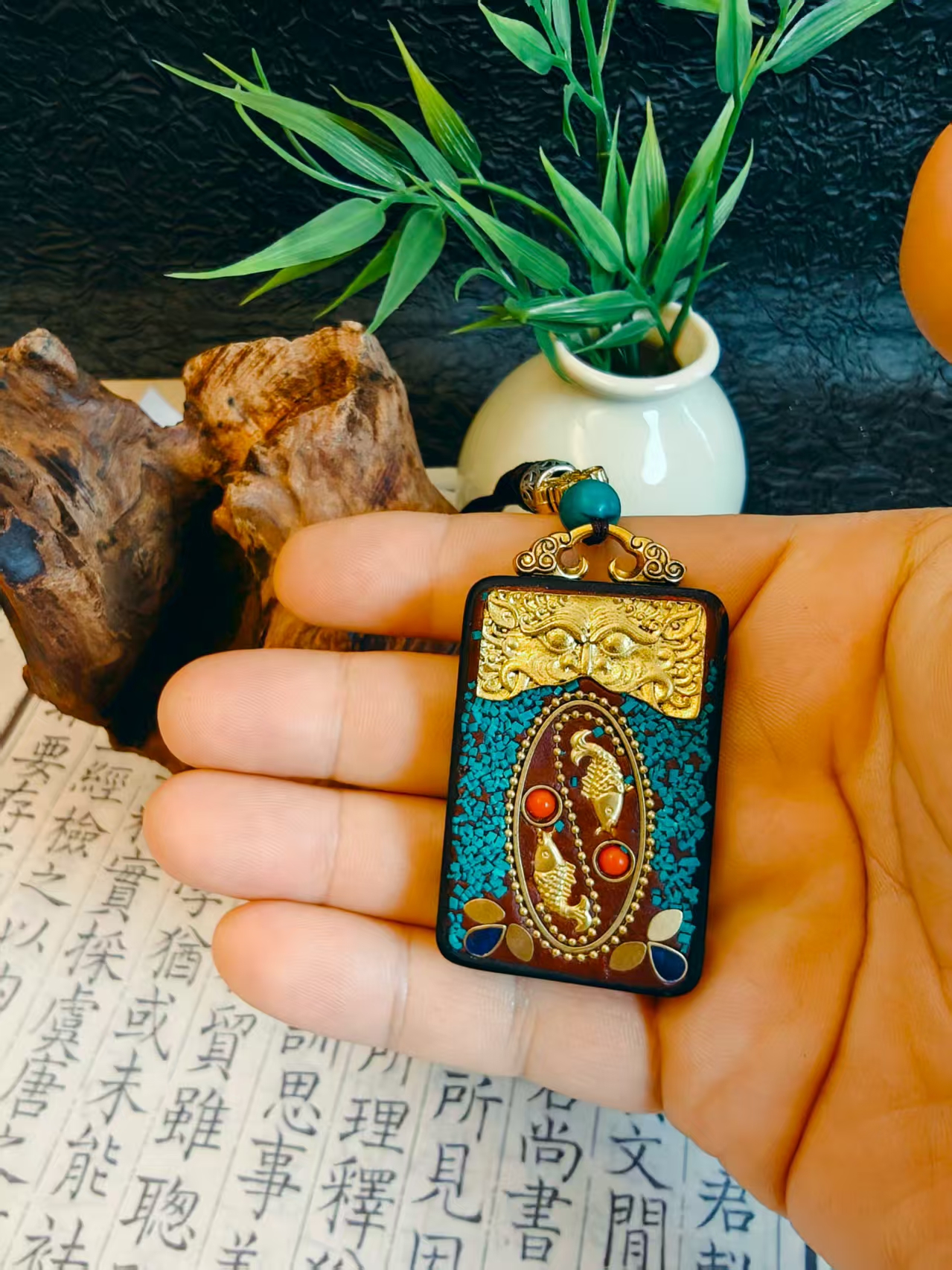 On sale
Thang'an Brand Double Fish Necklace / Ebony, Copper Ornament, 60mm-33mm, (with cord)
¥4,350 JPY ¥8,700 JPY
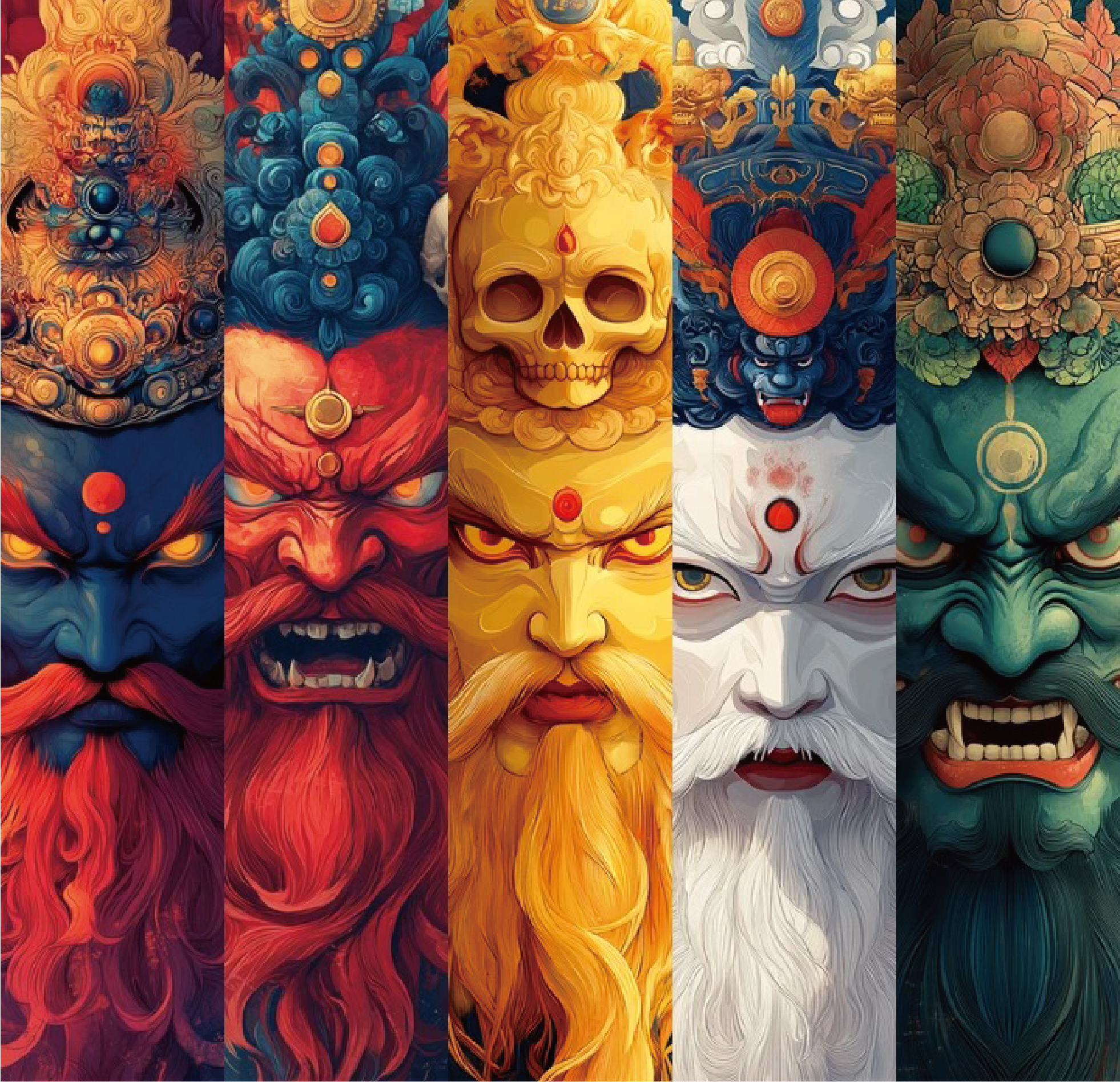
The God of Wealth of the Five Paths
-
Thangka Five Gods of Wealth - Zakiram Necklace / Ebony, Copper Ornament, 60mm-33mm, (with cord)
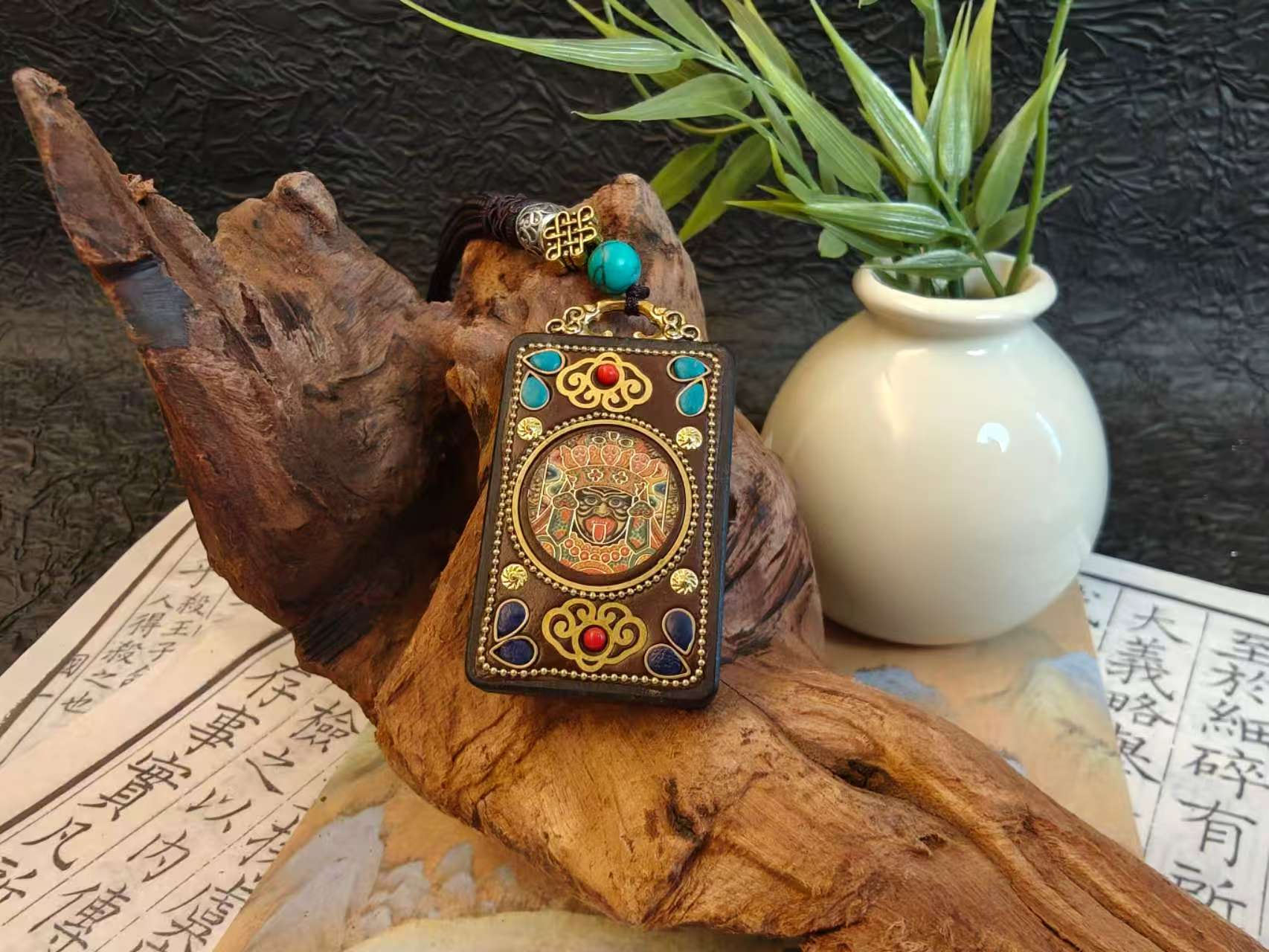
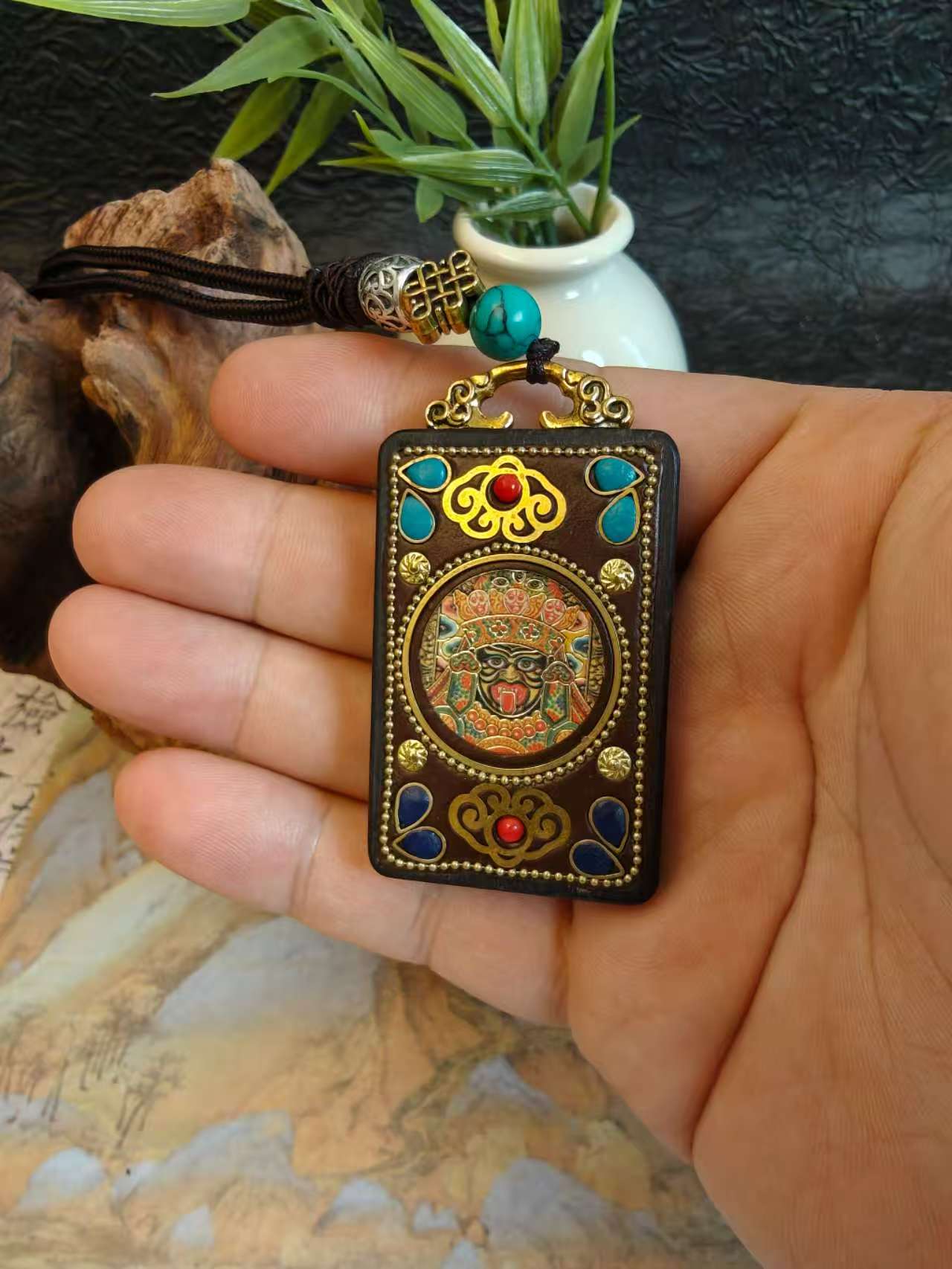 On sale
Thangka Five Gods of Wealth - Zakiram Necklace / Ebony, Copper Ornament, 60mm-33mm, (with cord)
¥4,350 JPY ¥8,700 JPY -
Thangka Five Gods of Wealth - Buddha's Eye Necklace / Ebony, Copper Ornament, 60mm-33mm, (with cord)
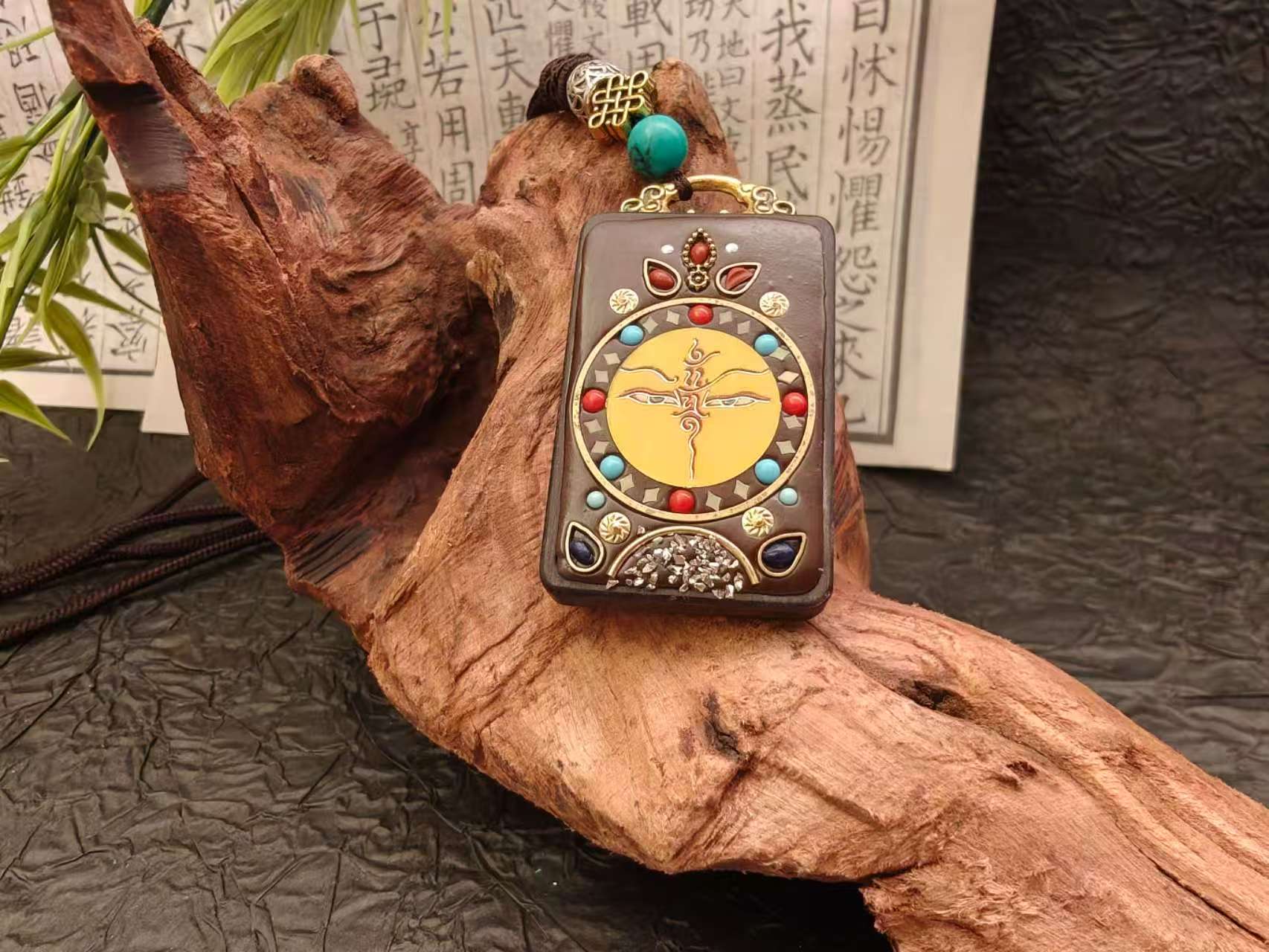
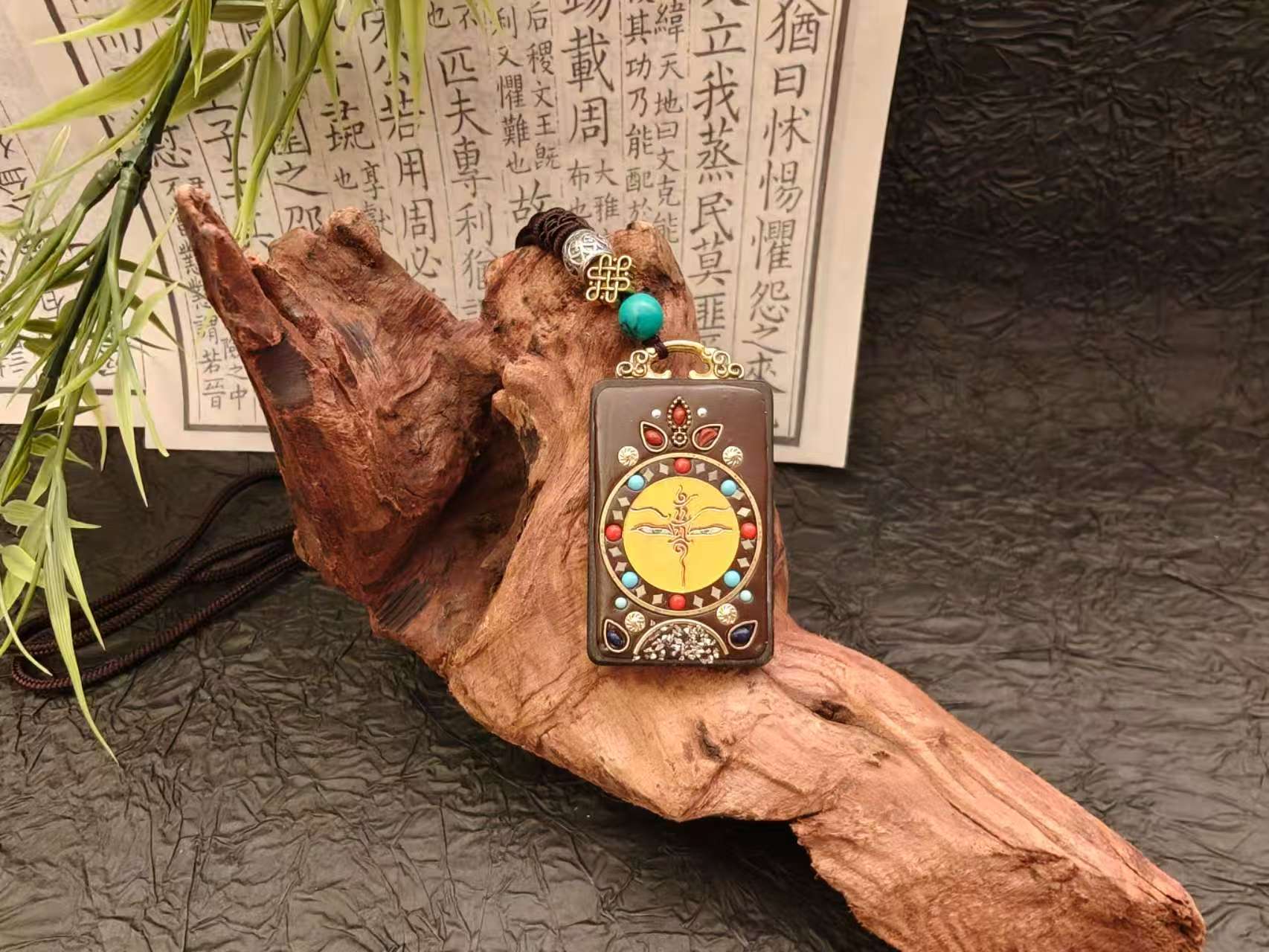 On sale
Thangka Five Gods of Wealth - Buddha's Eye Necklace / Ebony, Copper Ornament, 60mm-33mm, (with cord)
¥4,350 JPY ¥8,700 JPY -
Thangka Five Gods of Wealth - Dainichi Nyorai Necklace / Ebony, Copper Ornament, 60mm-33mm, (with cord)
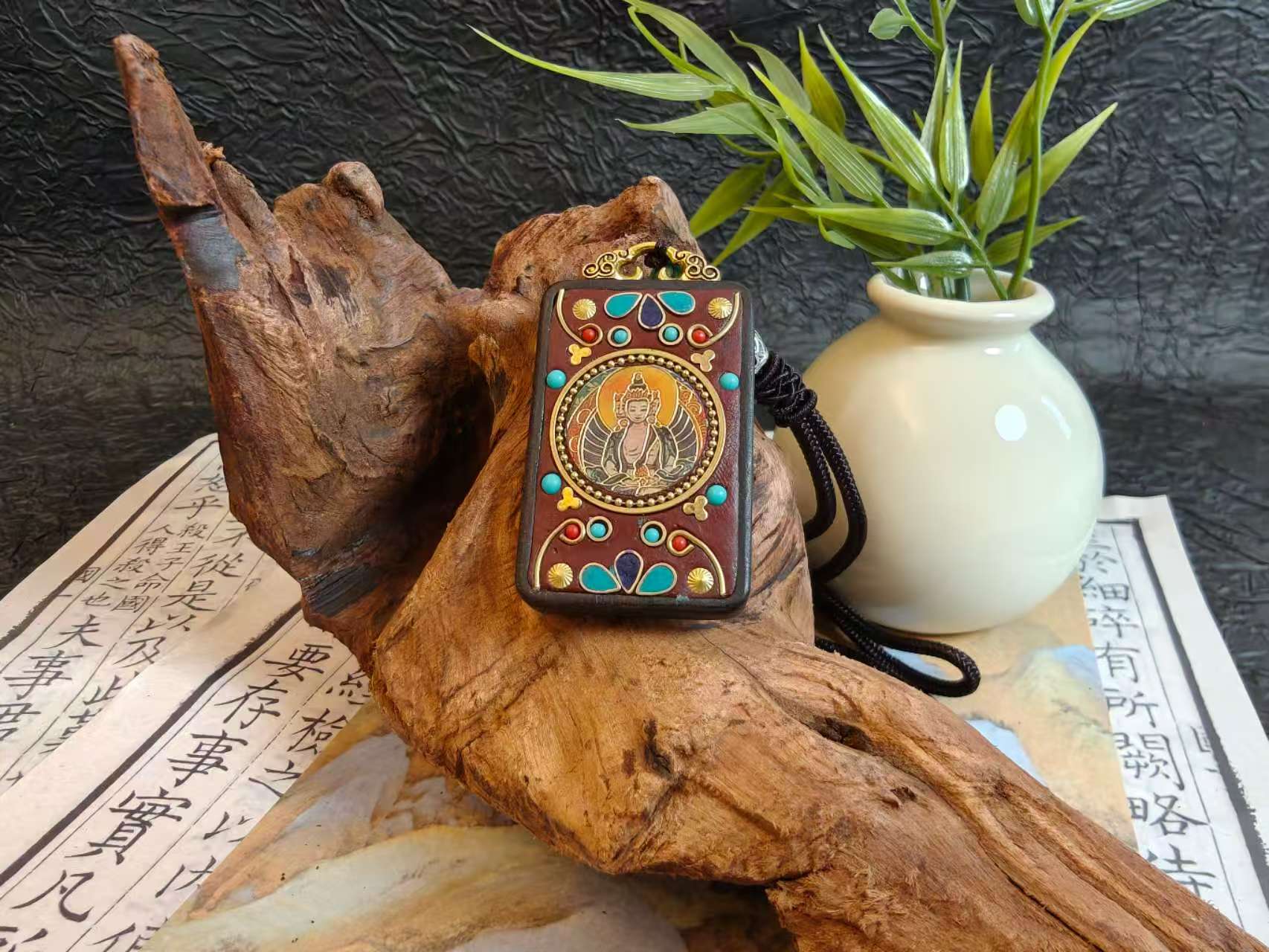
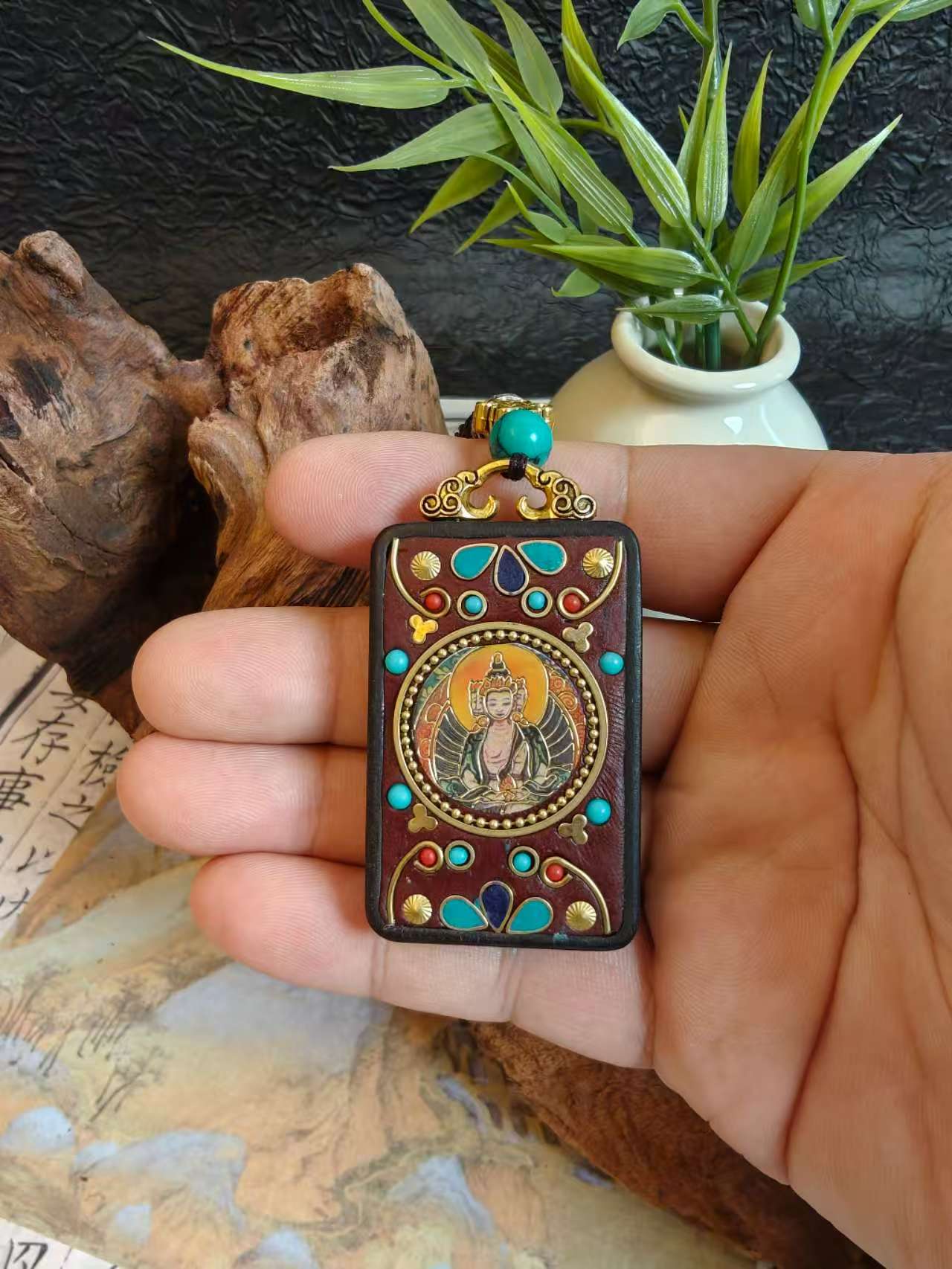 On sale
Thangka Five Gods of Wealth - Dainichi Nyorai Necklace / Ebony, Copper Ornament, 60mm-33mm, (with cord)
¥4,350 JPY ¥8,700 JPY -
Thangka necklace featuring the Five Gods of Wealth and Manjushri Bodhisattva / Ebony, copper ornament, 60mm-33mm, (with cord)
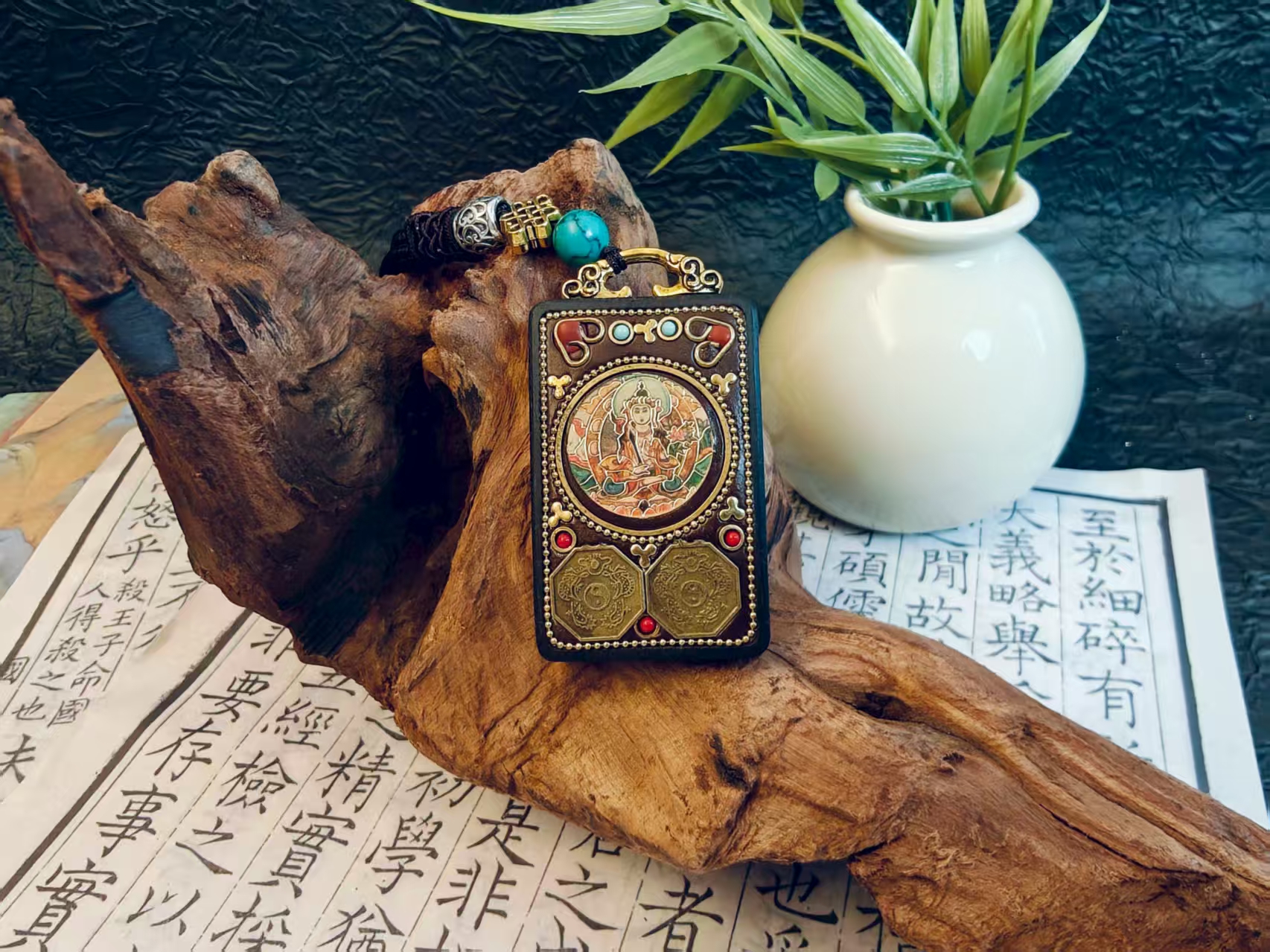
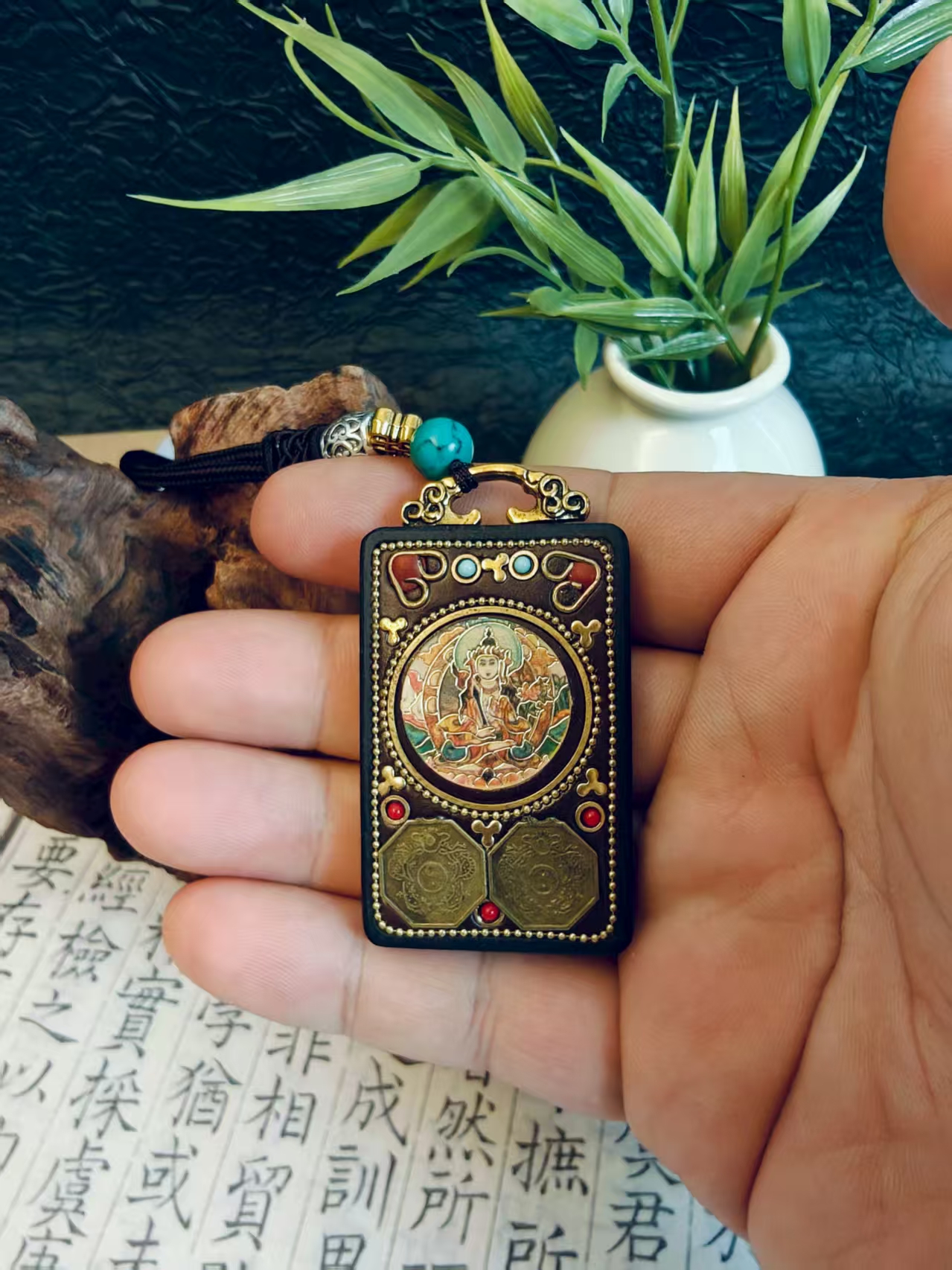 On sale
Thangka necklace featuring the Five Gods of Wealth and Manjushri Bodhisattva / Ebony, copper ornament, 60mm-33mm, (with cord)
¥4,350 JPY ¥8,700 JPY -
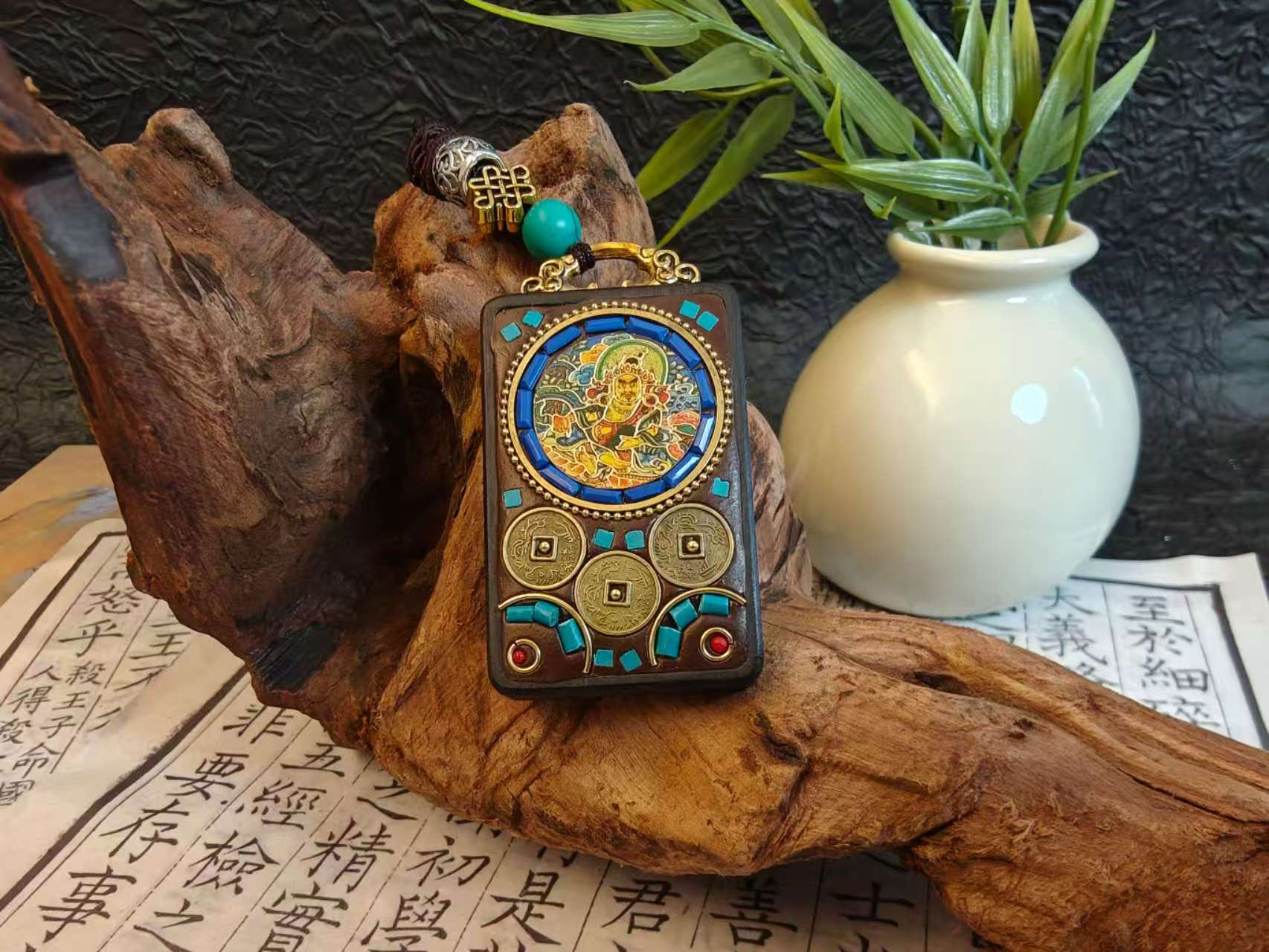
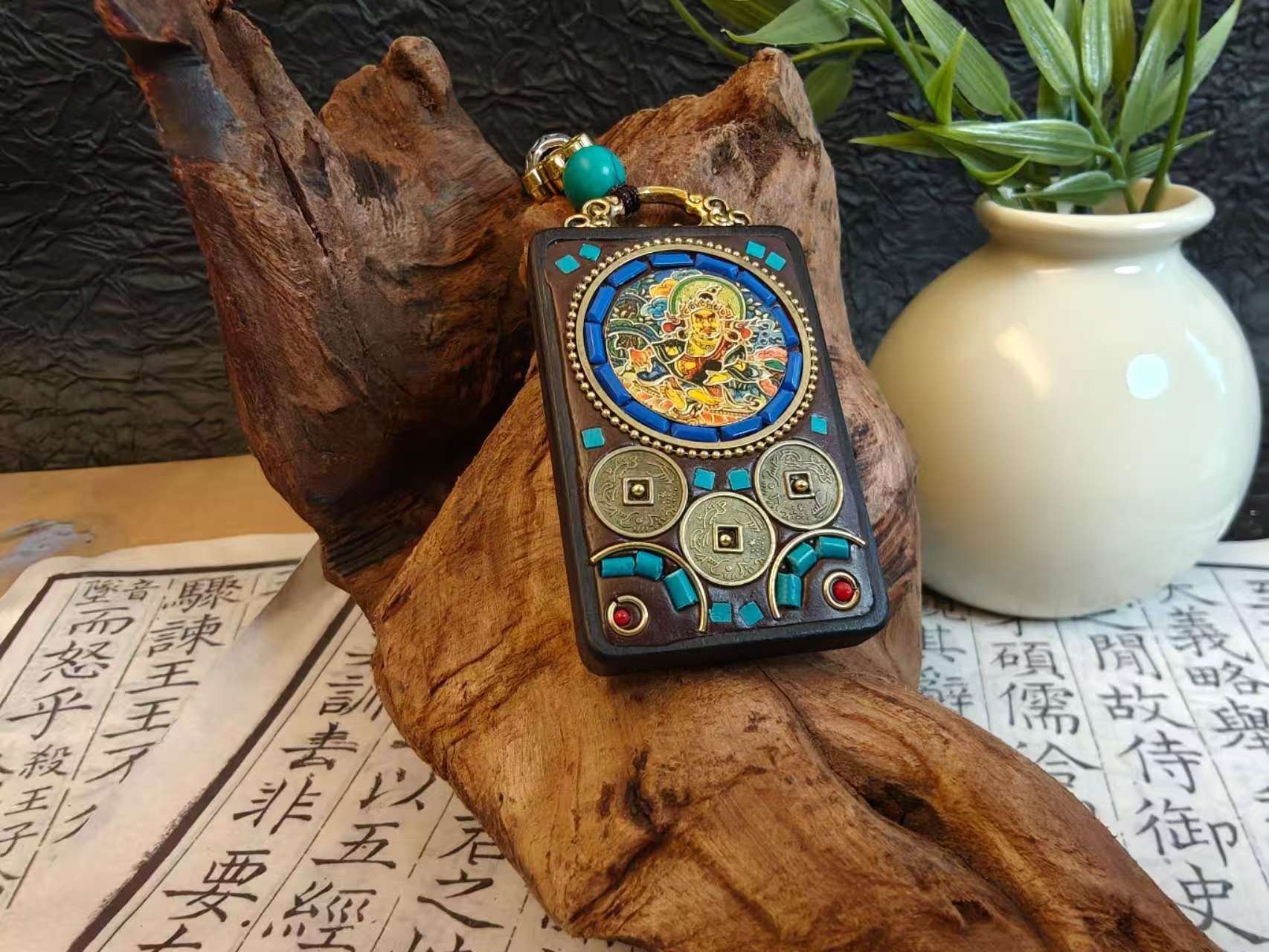
Thangka Five Gods of Wealth - Yellow King Necklace / Ebony, Copper Ornament, 60mm-33mm, (with cord)
 On sale
Thangka Five Gods of Wealth - Yellow King Necklace / Ebony, Copper Ornament, 60mm-33mm, (with cord)
¥4,350 JPY ¥8,700 JPY
Image with text
The origins of Tibetan Heian tiles are closely linked to the Bengali culture and the introduction of Buddhism to Tibet.
The early indigenous people of Tibet believed in Bon religion and thought that spirits resided in all things. Therefore, they wore and carried wooden or stone tablets engraved with totem symbols, praying for the protection of mountain gods and guardian deities. After Buddhism was introduced to Tibet, it deeply integrated with Bon culture, and traditional totem tablets gradually incorporated Buddhist mantras and images of deities, resulting in the formation of peace tablets that combined religious significance and practicality.
During the Ming and Qing dynasties, as cultural exchanges between Tibet and Han regions became increasingly active, the production technology of the Ping'an amulet continuously advanced, and the materials became more abundant. Initially a religious artifact, the Ping'an amulet gradually transformed into a protective charm worn by the entire Tibetan populace. Subsequently, with the spread of culture, it became a widely loved Tibetan-style accessory among the masses.
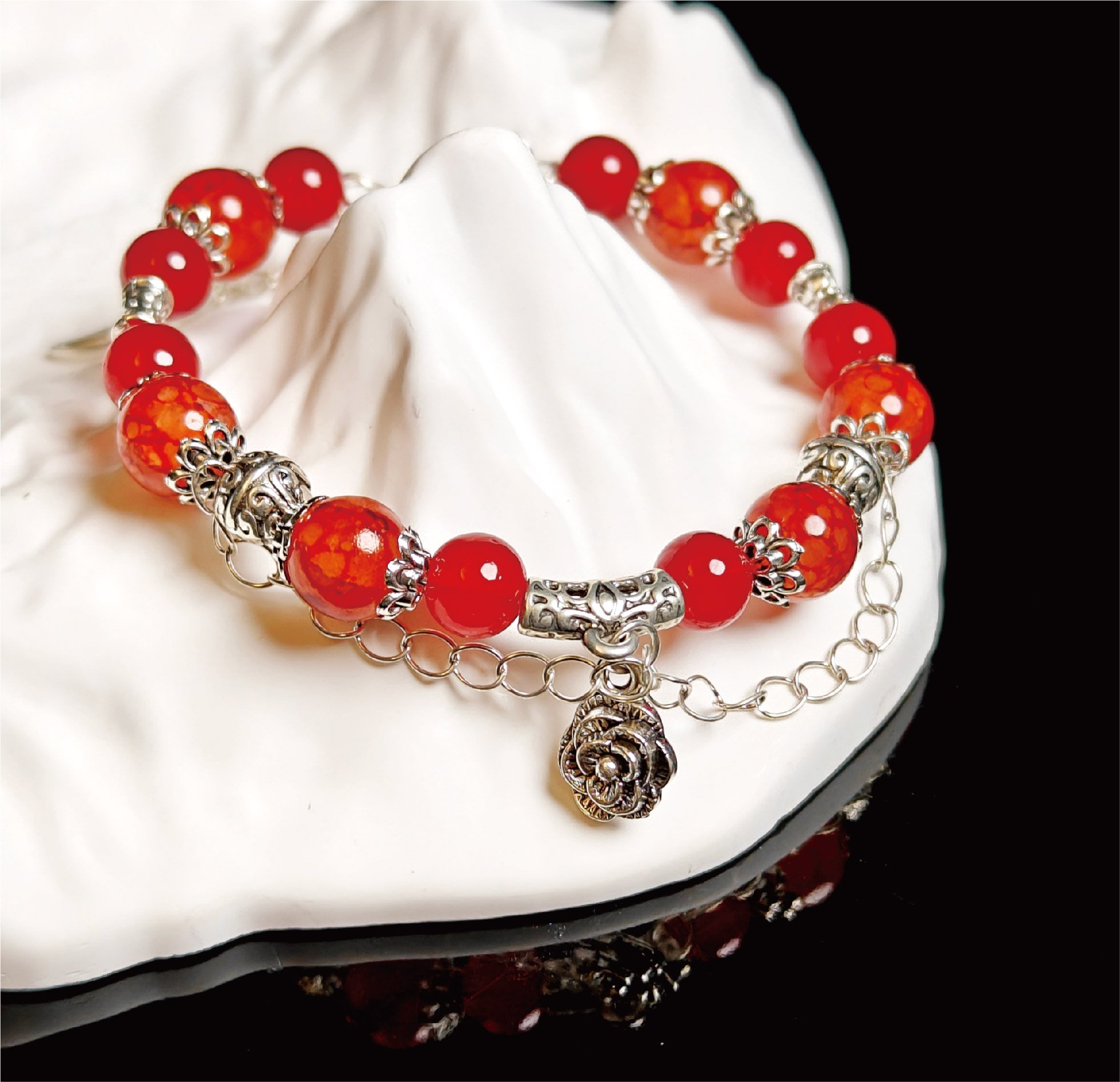
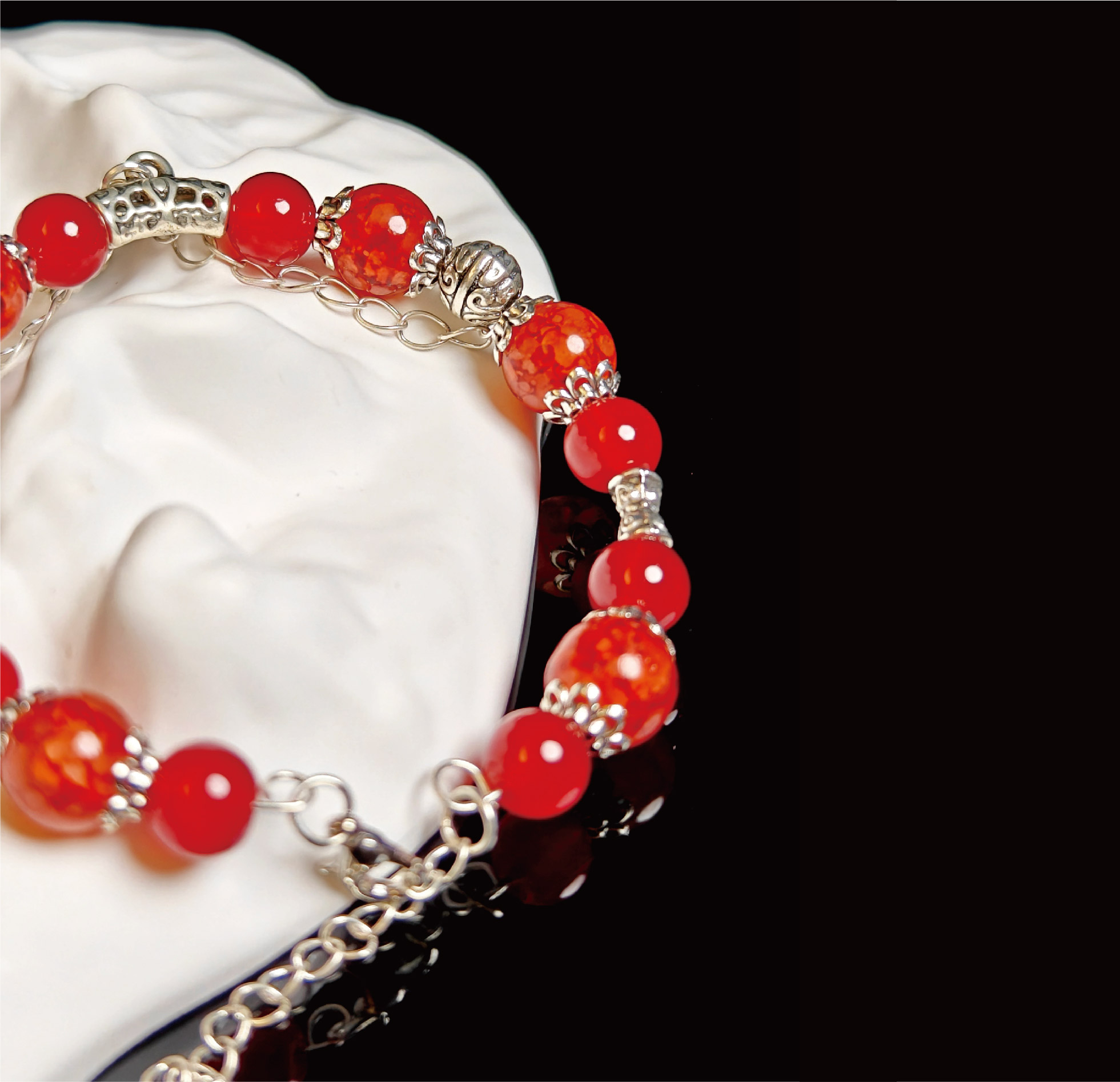
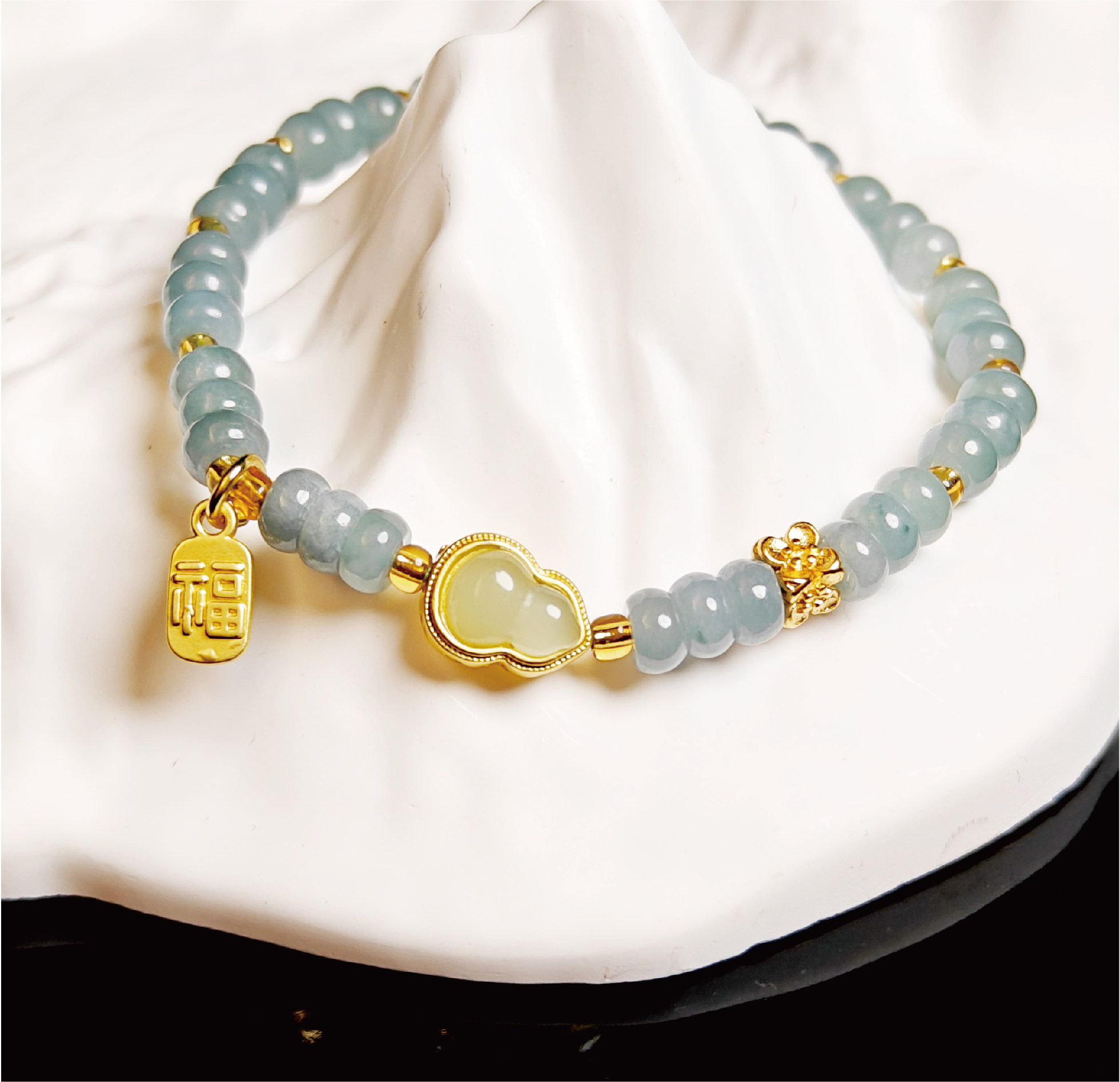
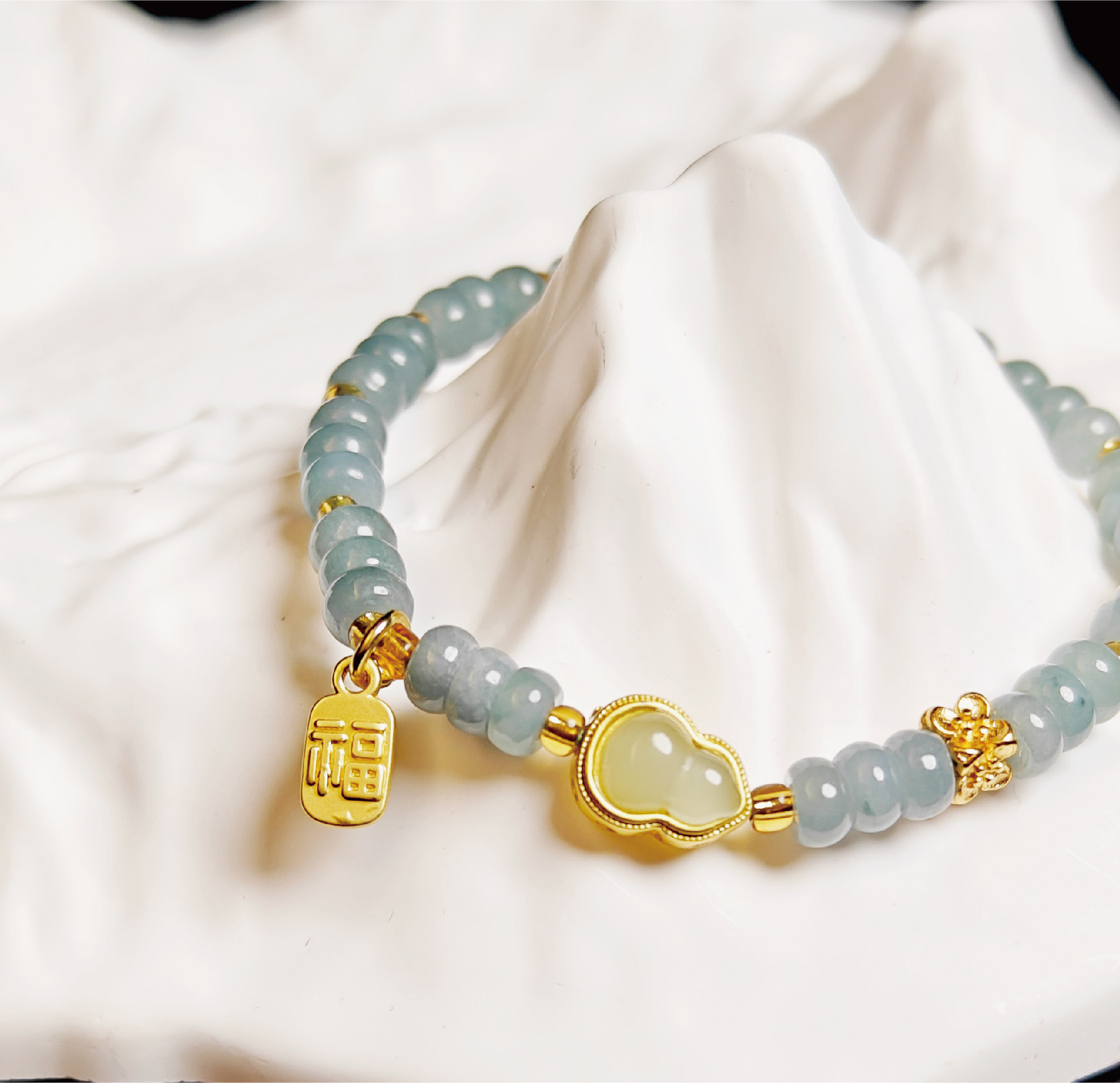
Beaded bracelet
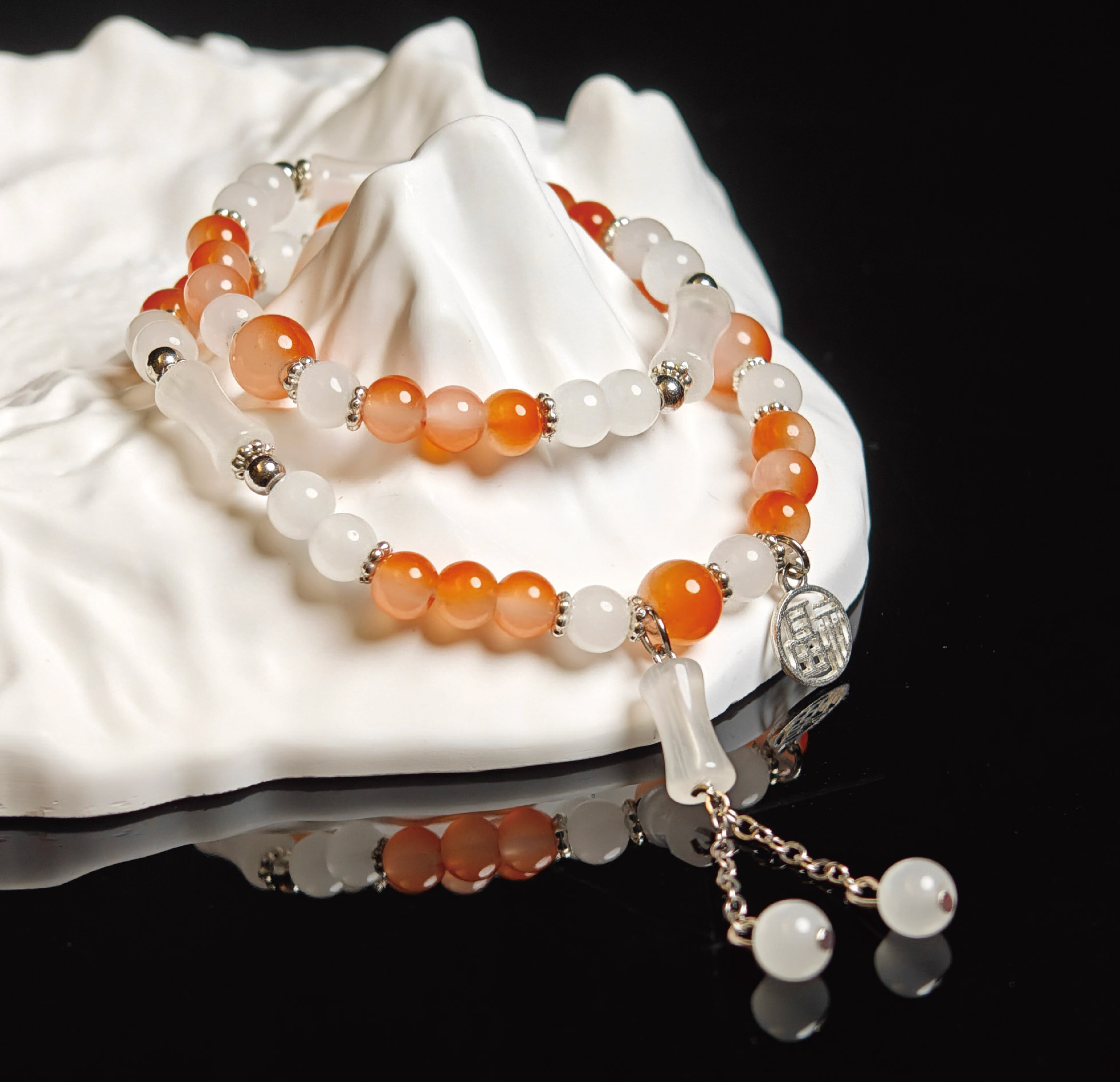
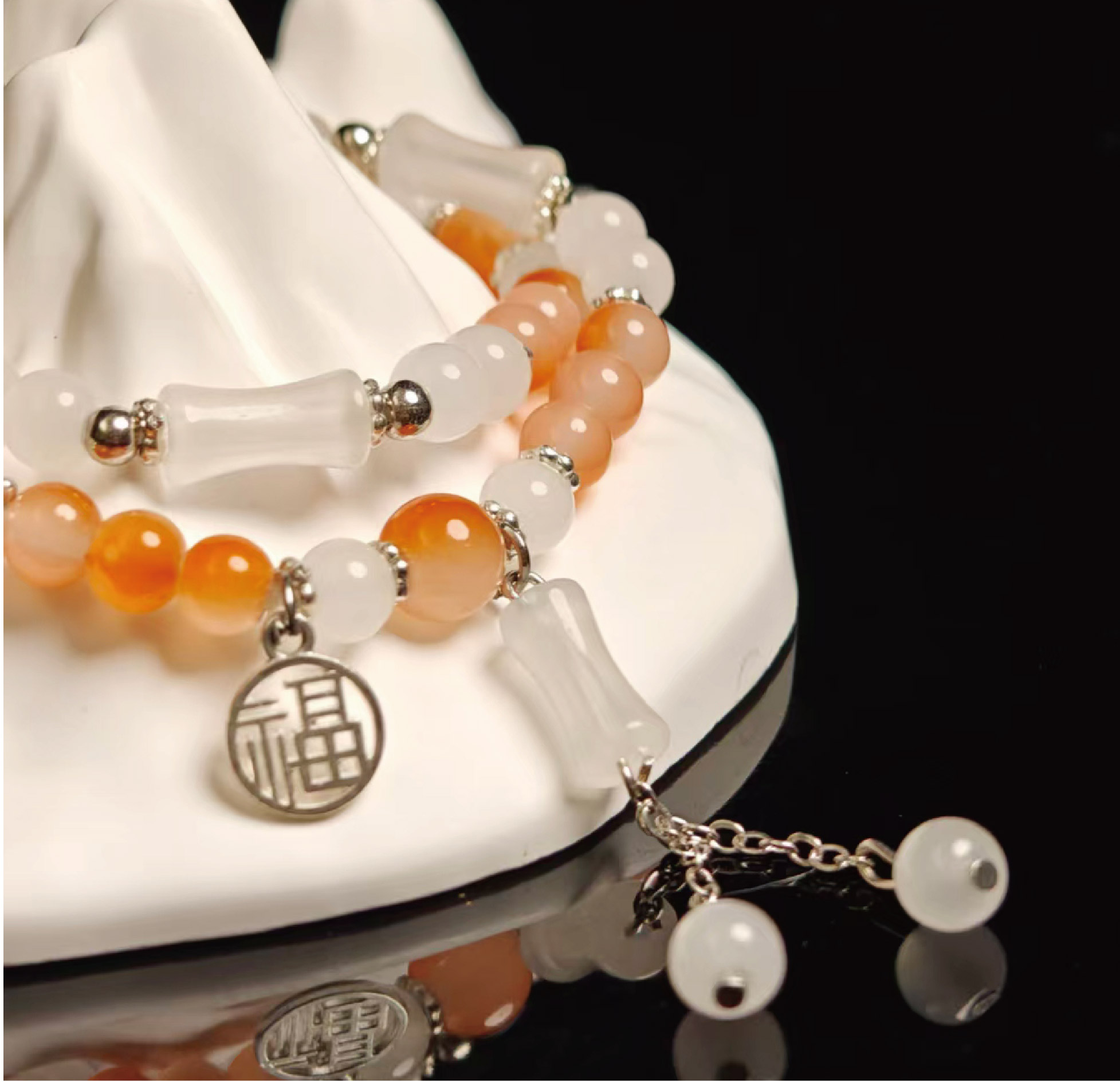
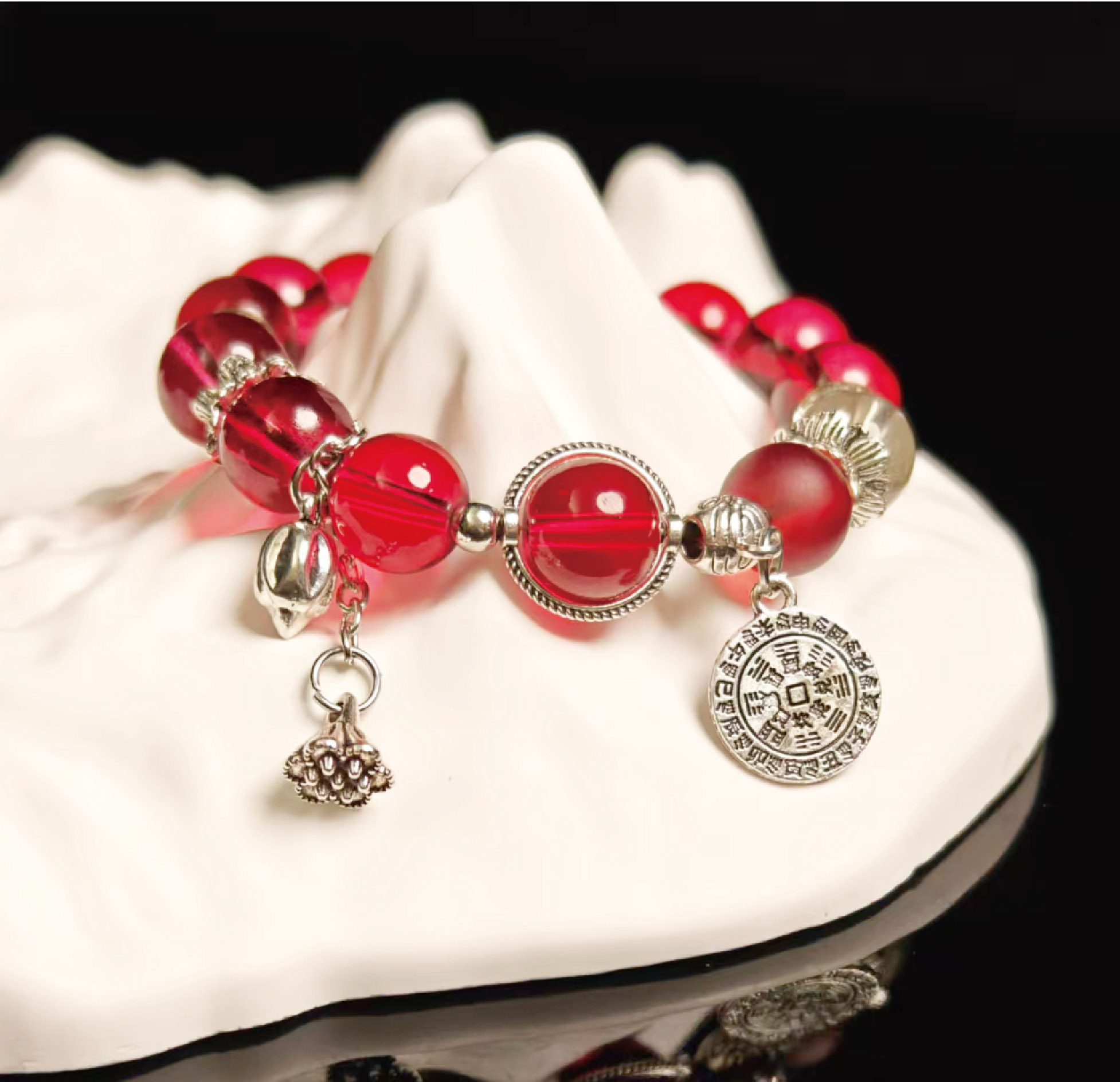
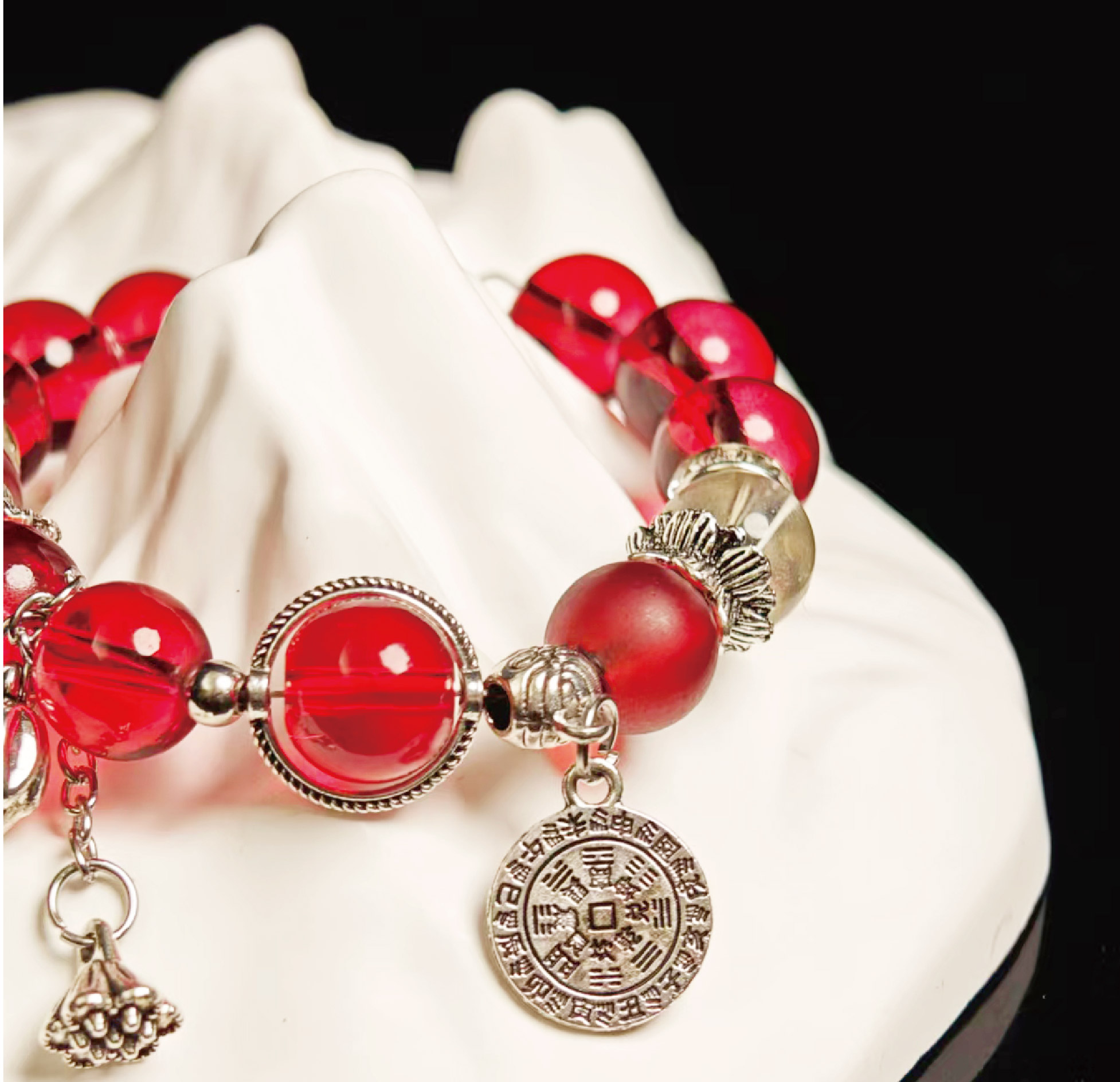
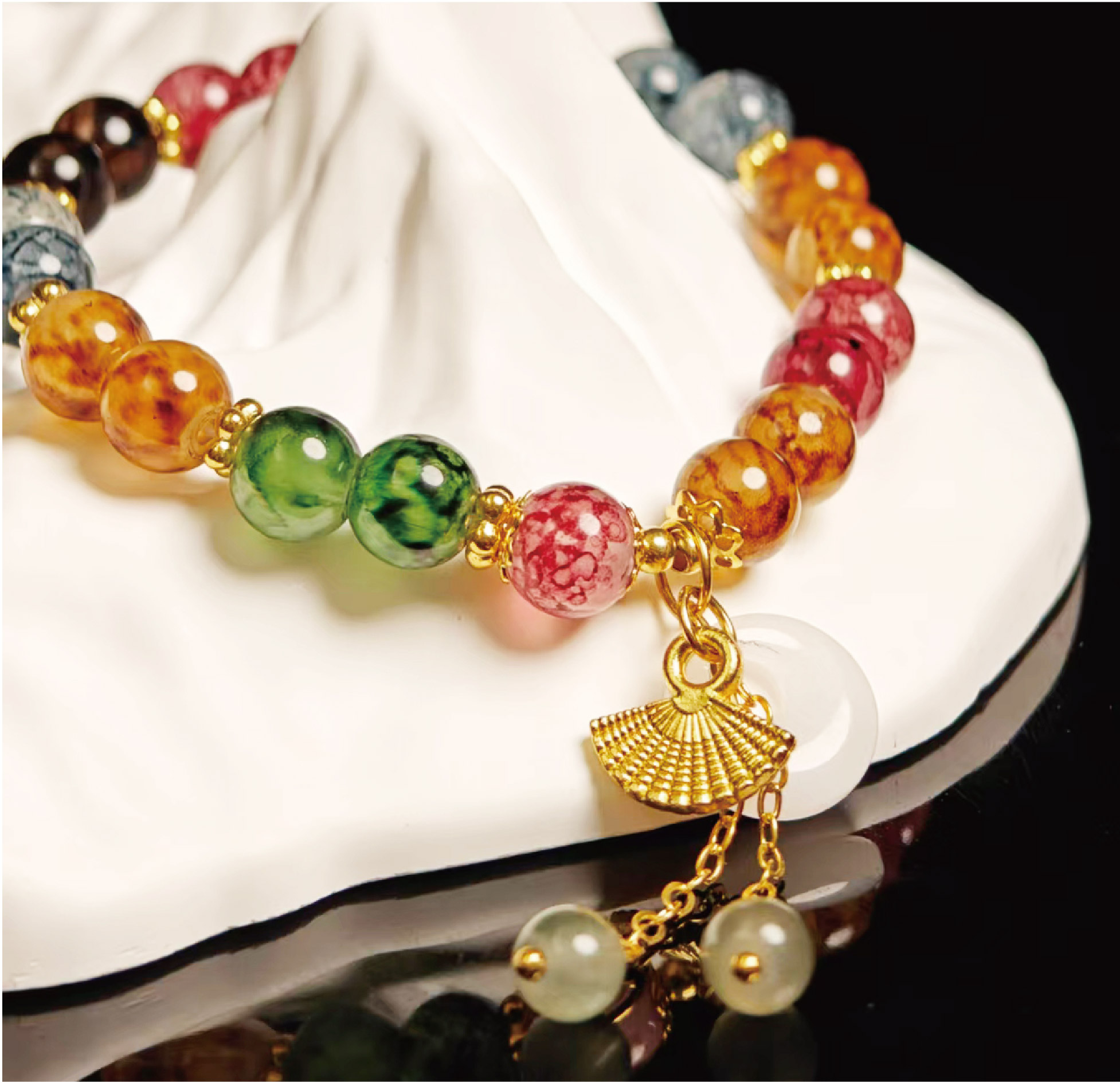
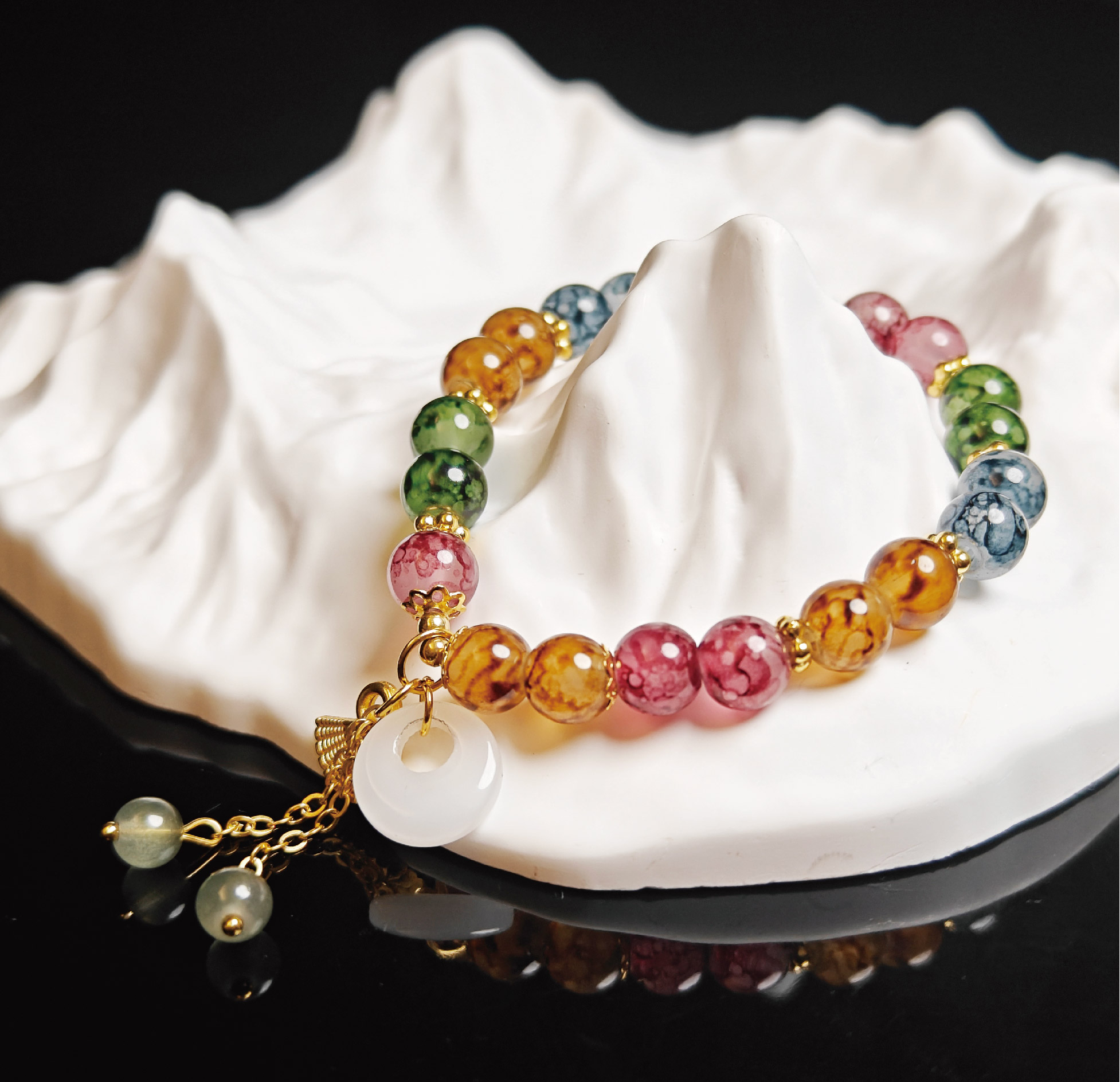
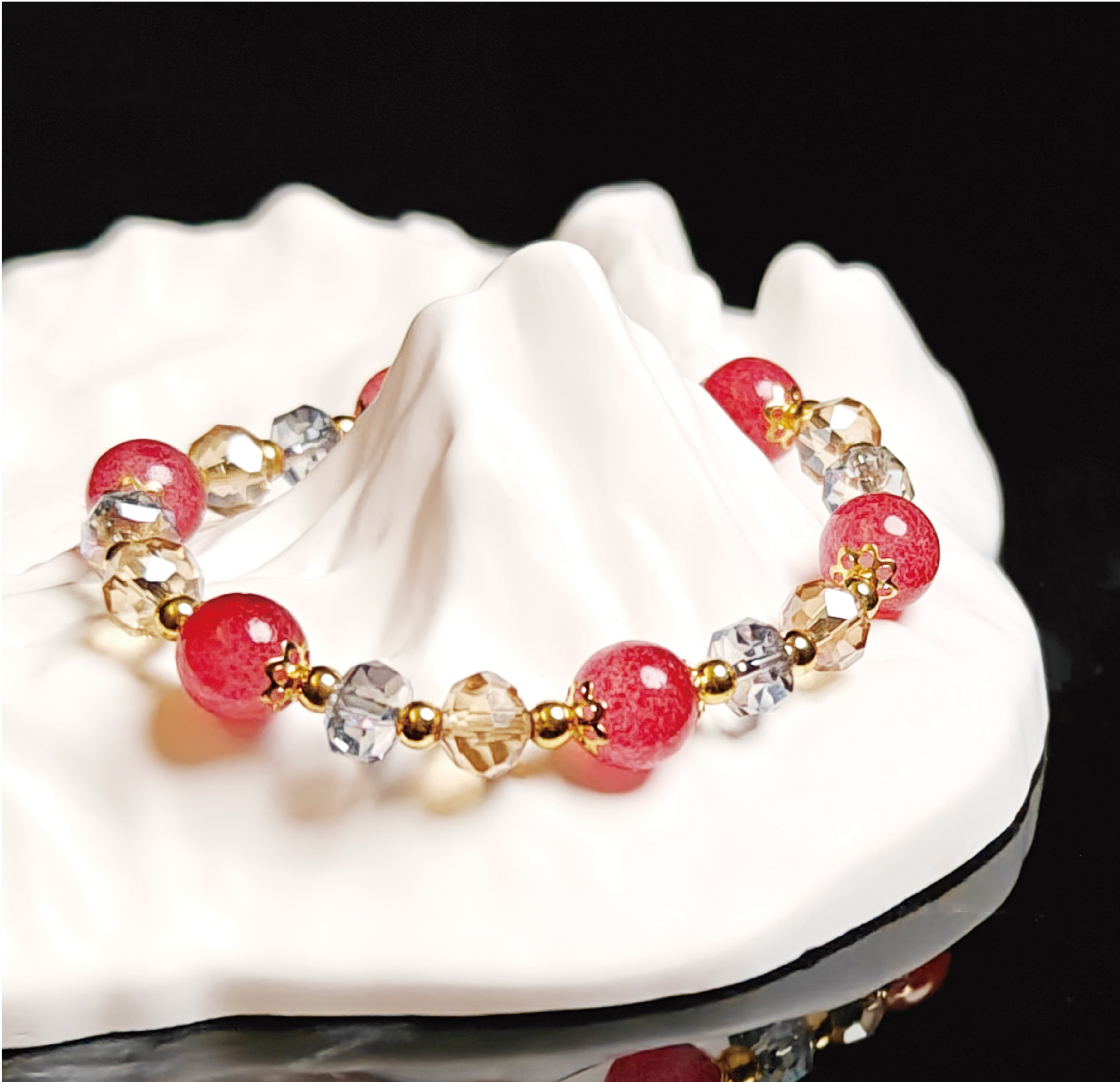
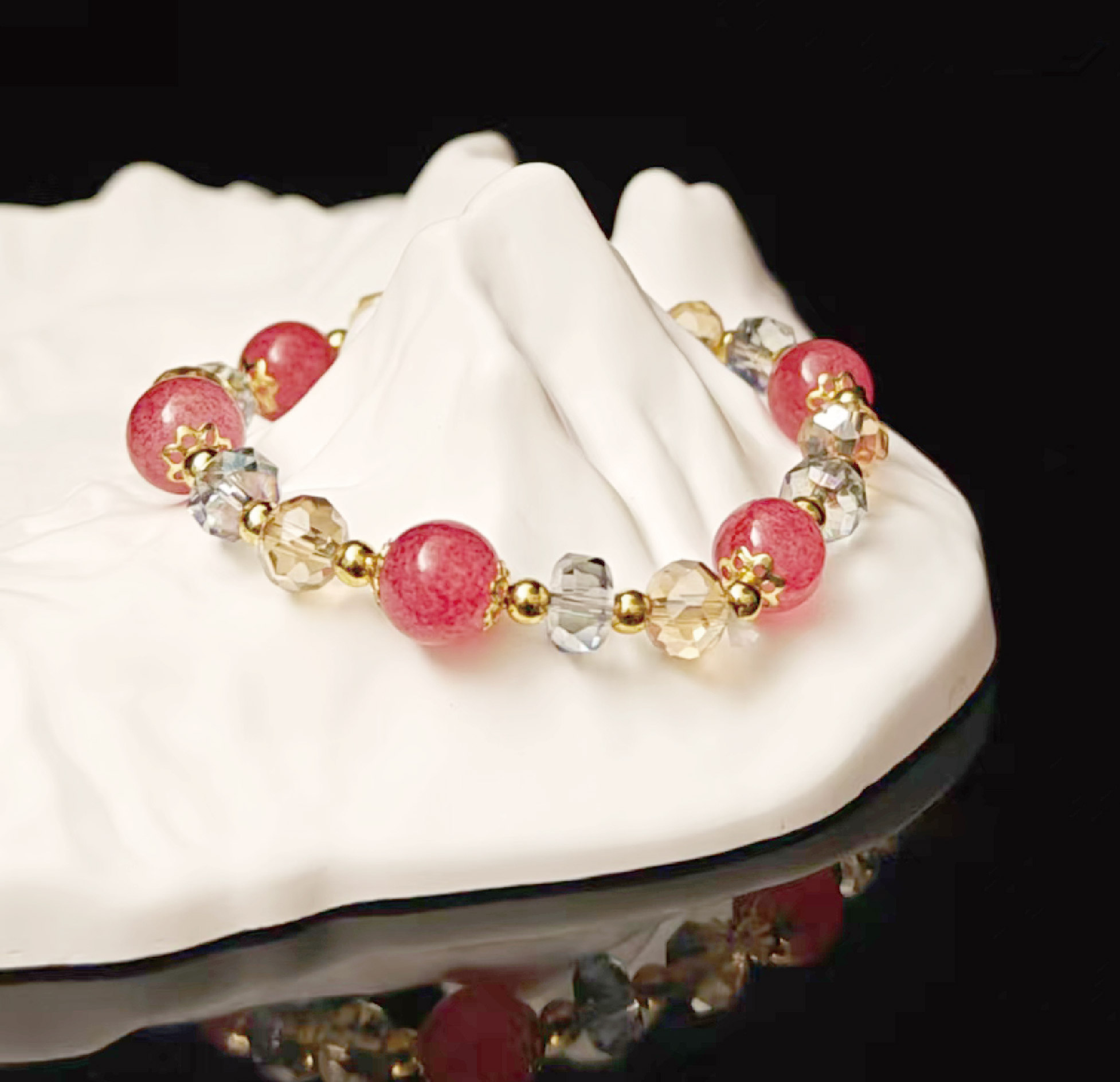
bracelet
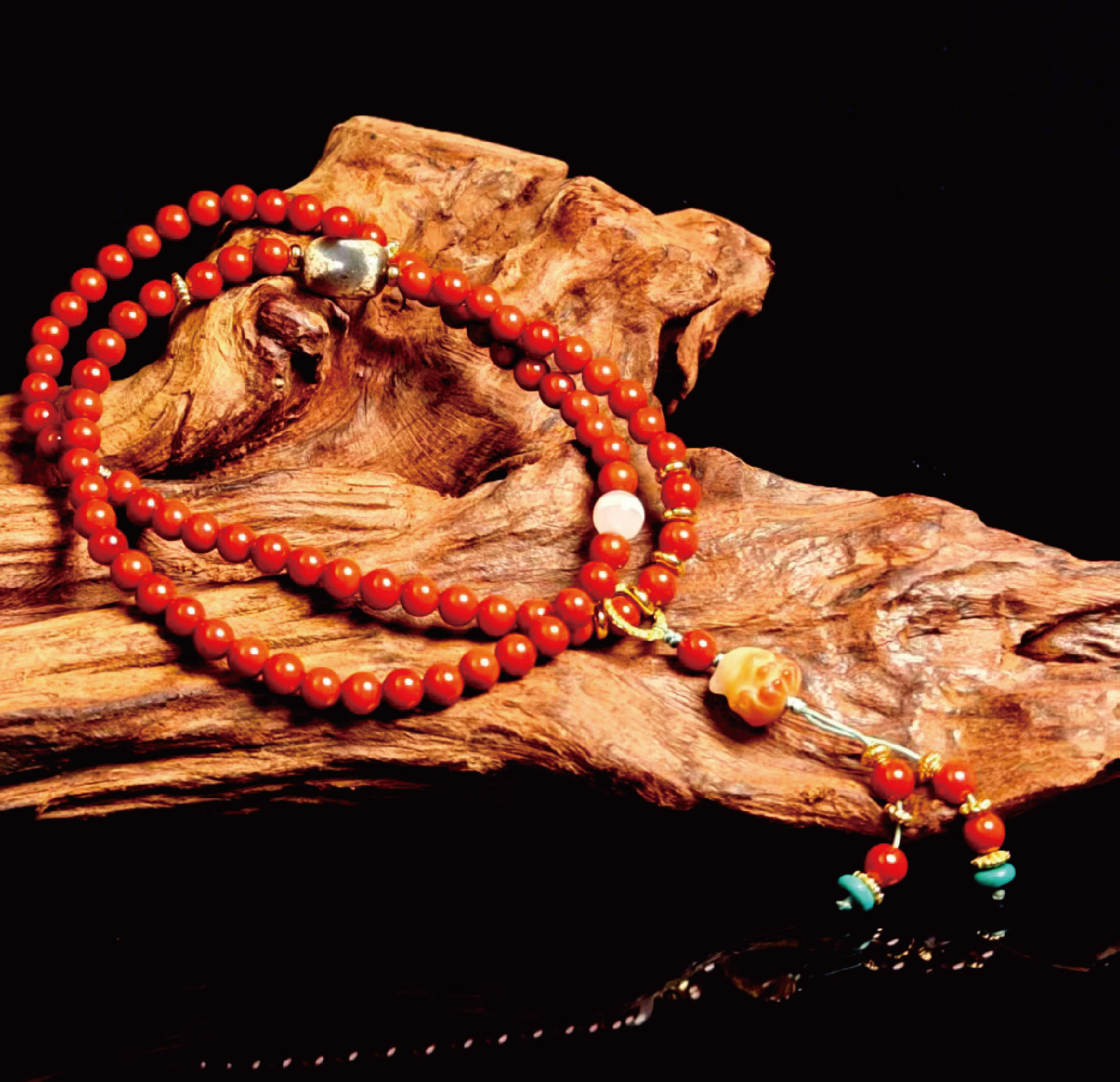
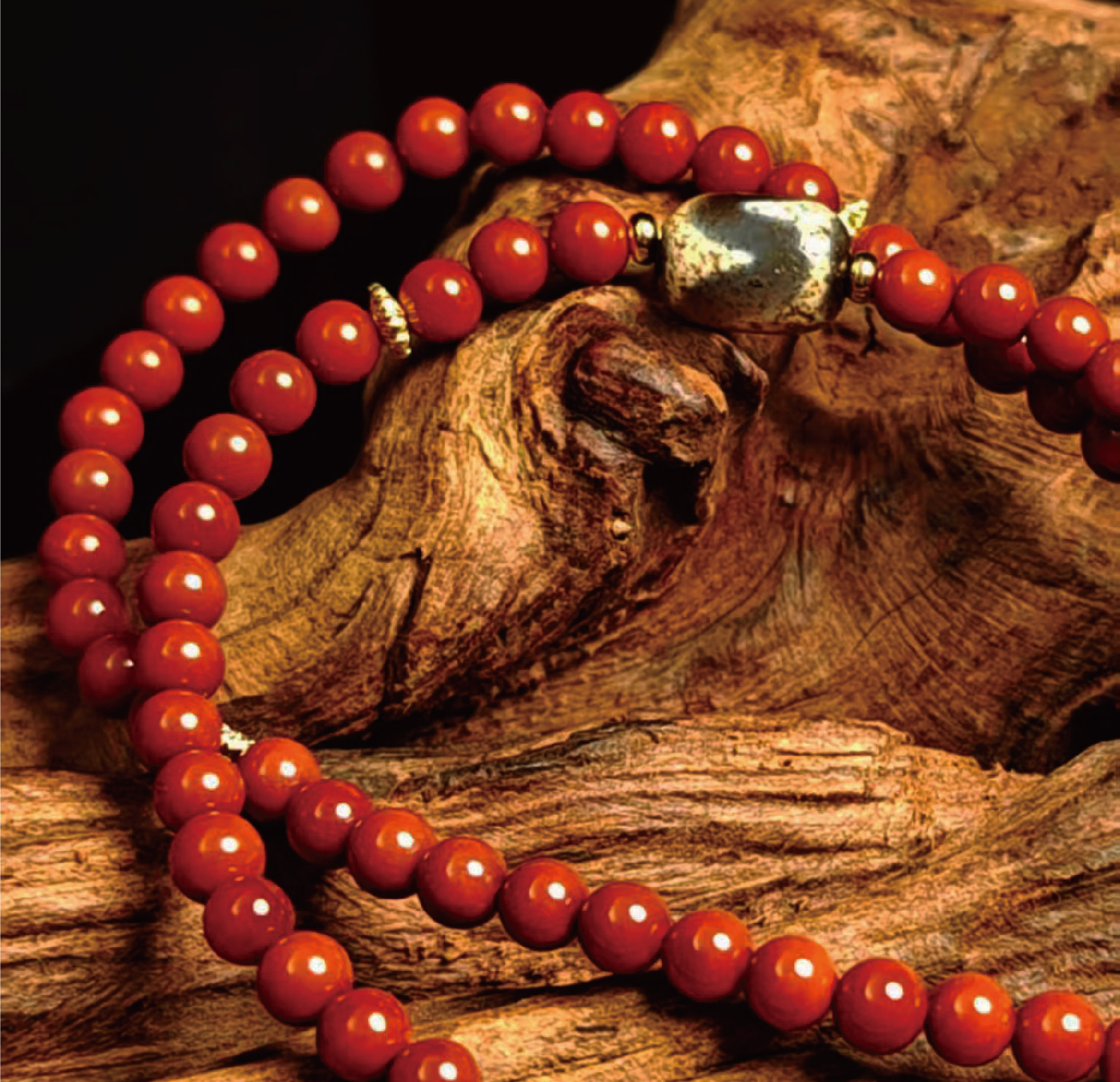
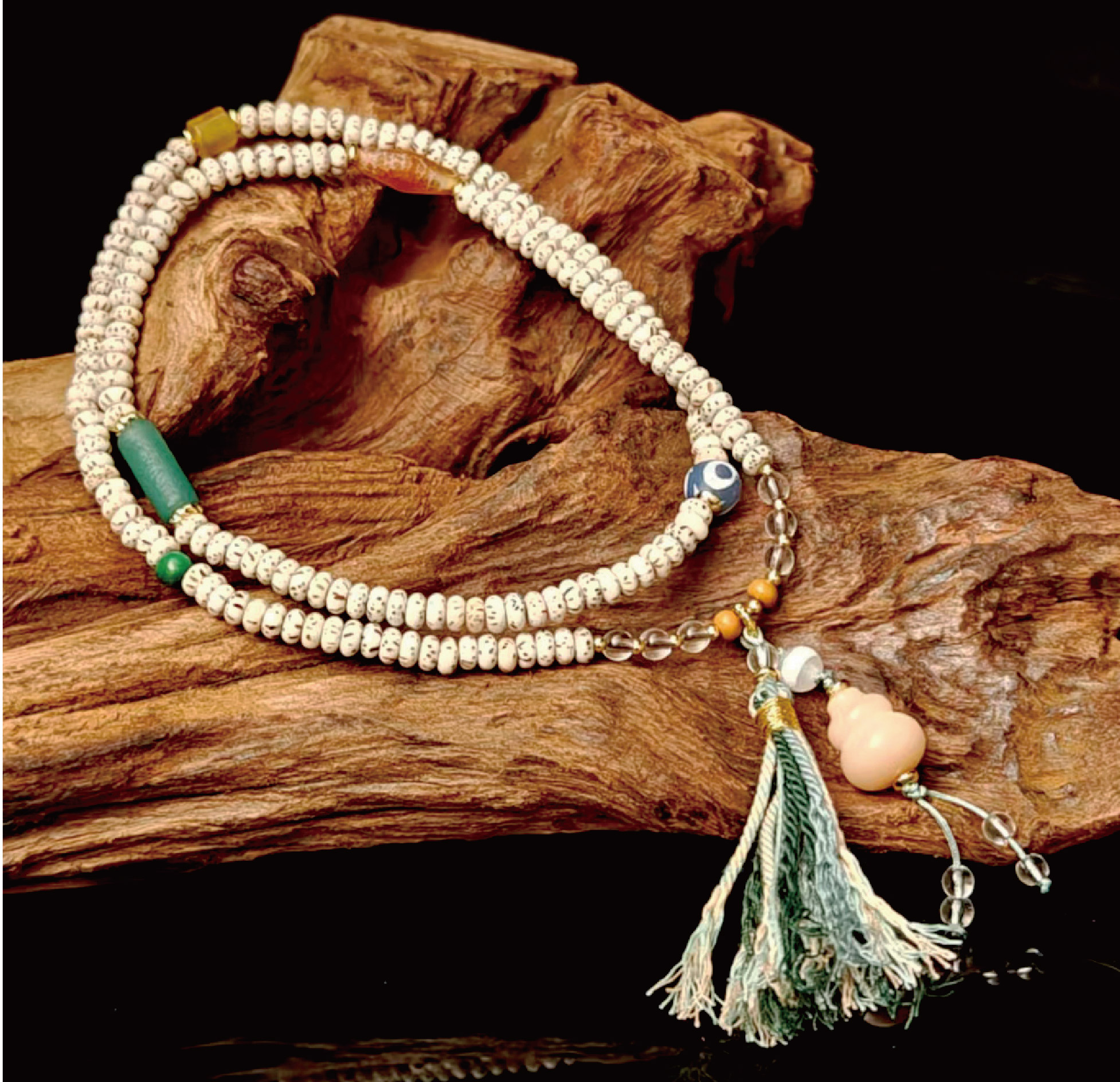
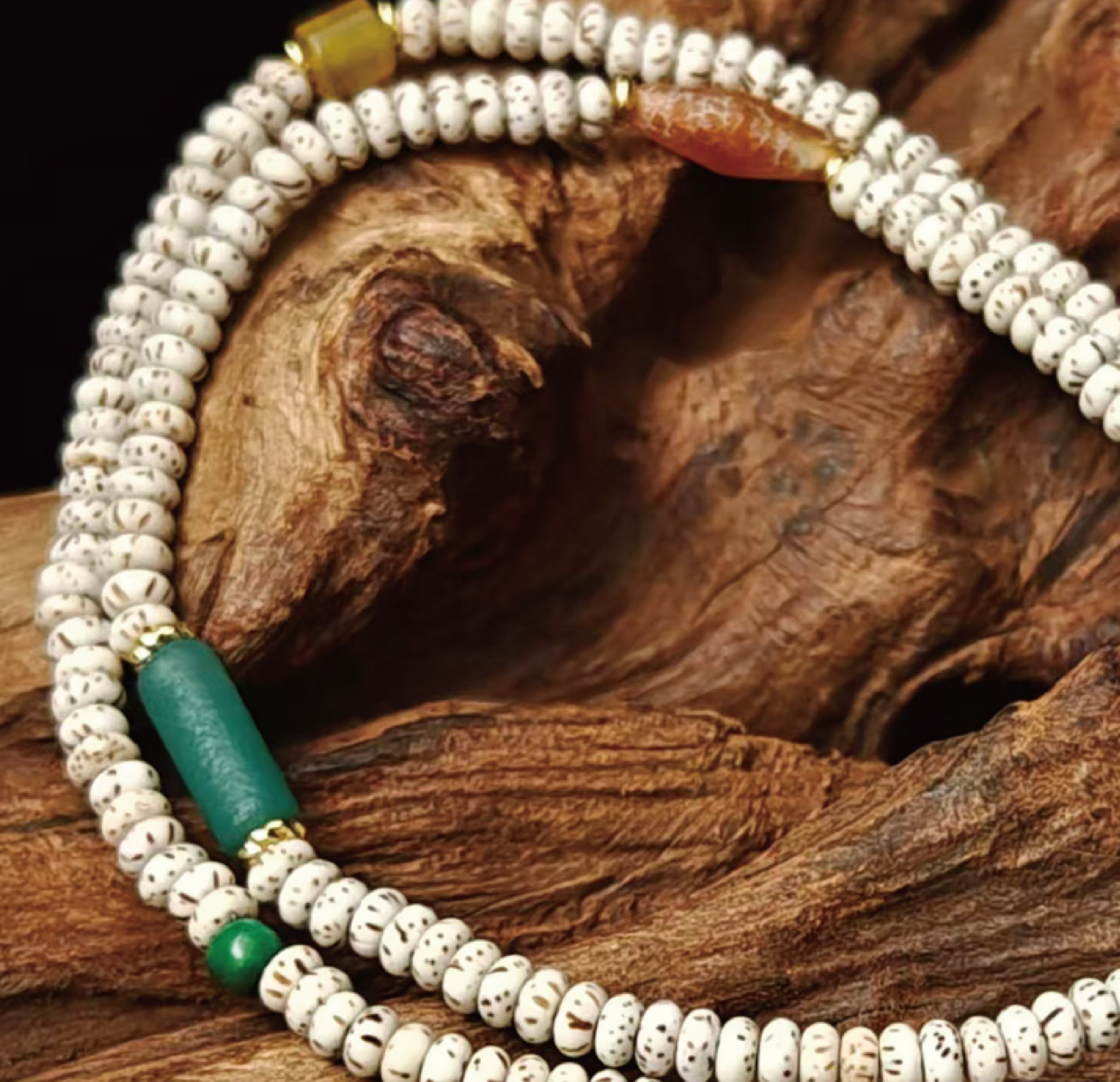
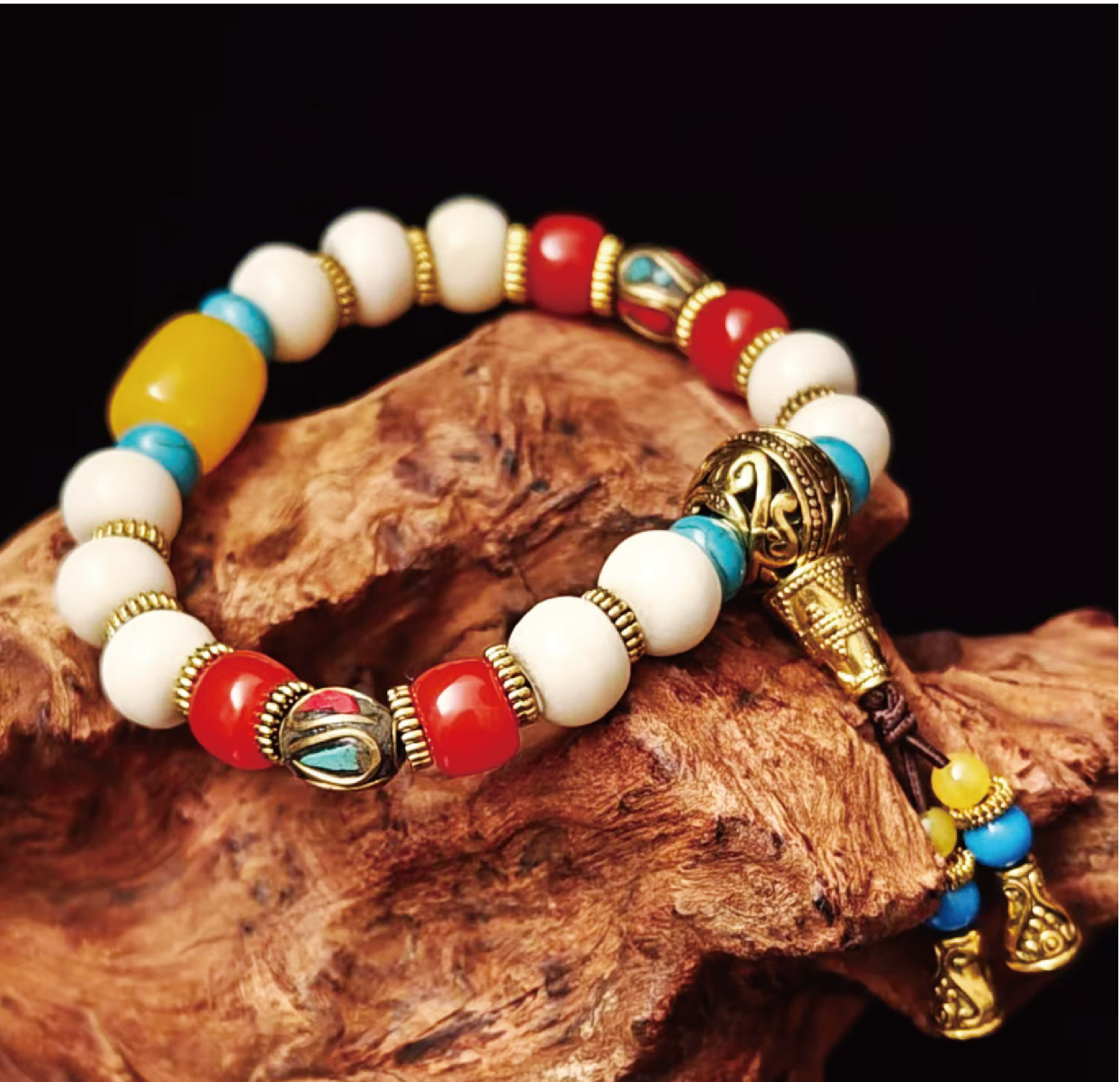
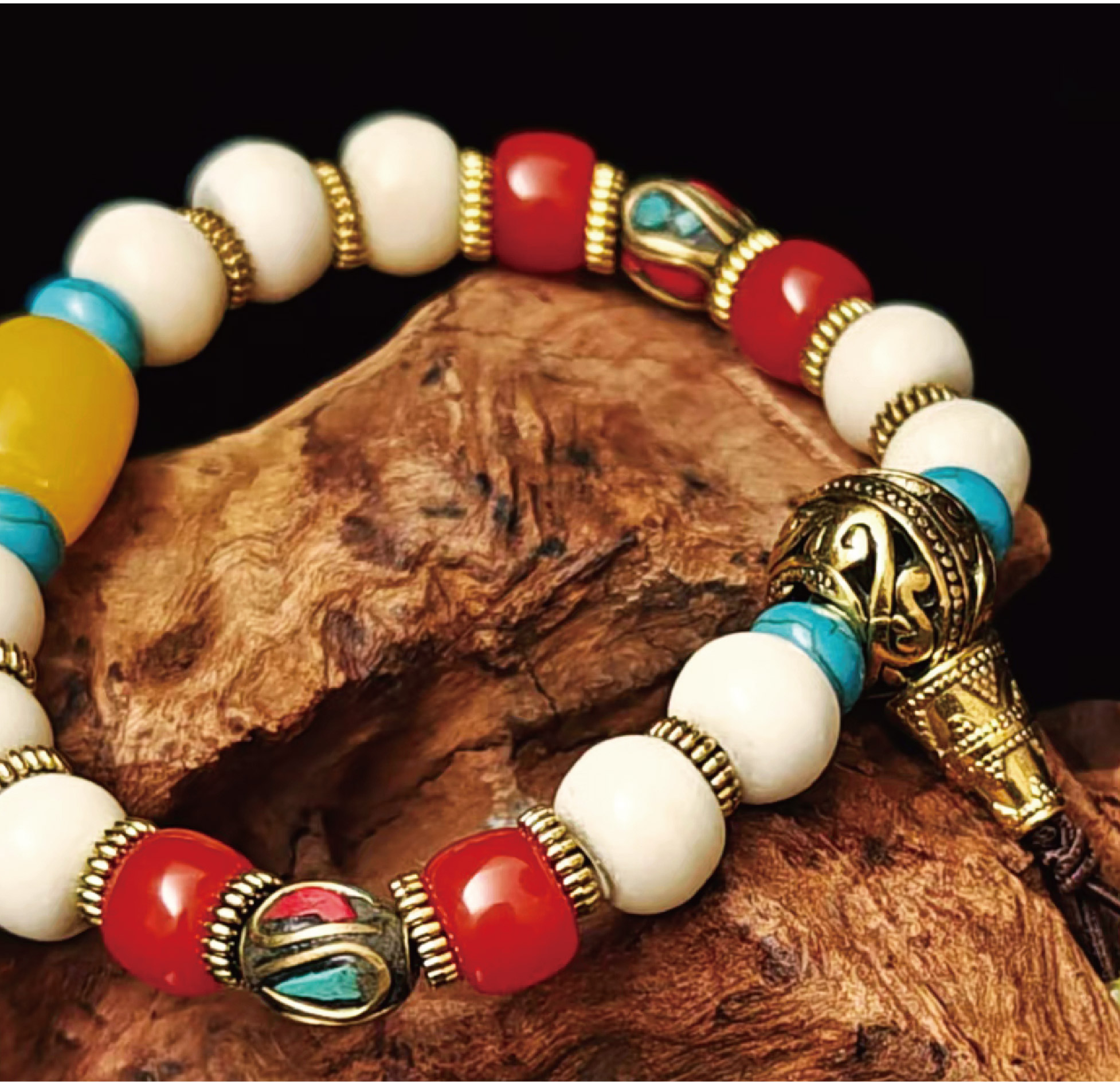
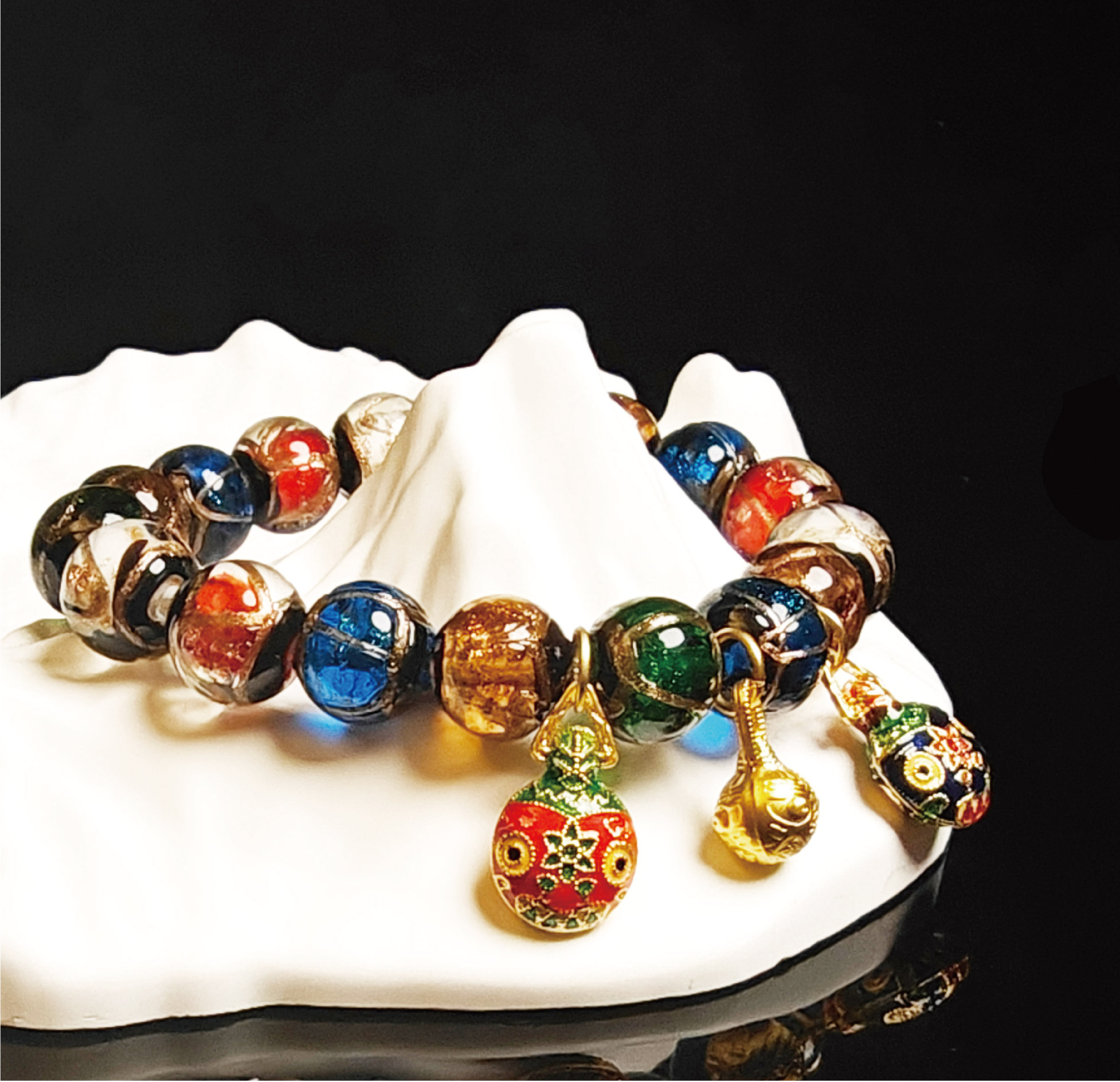
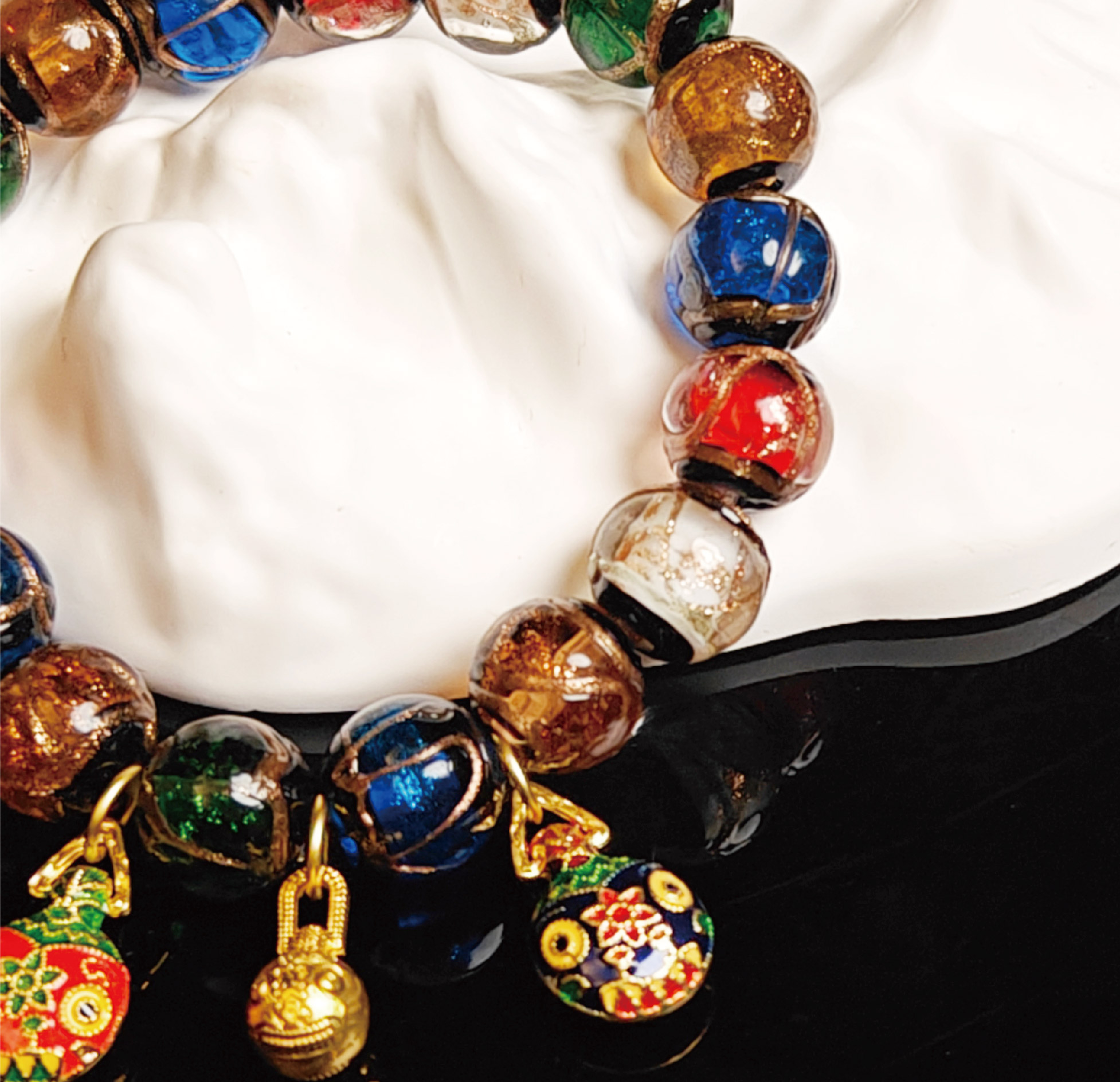
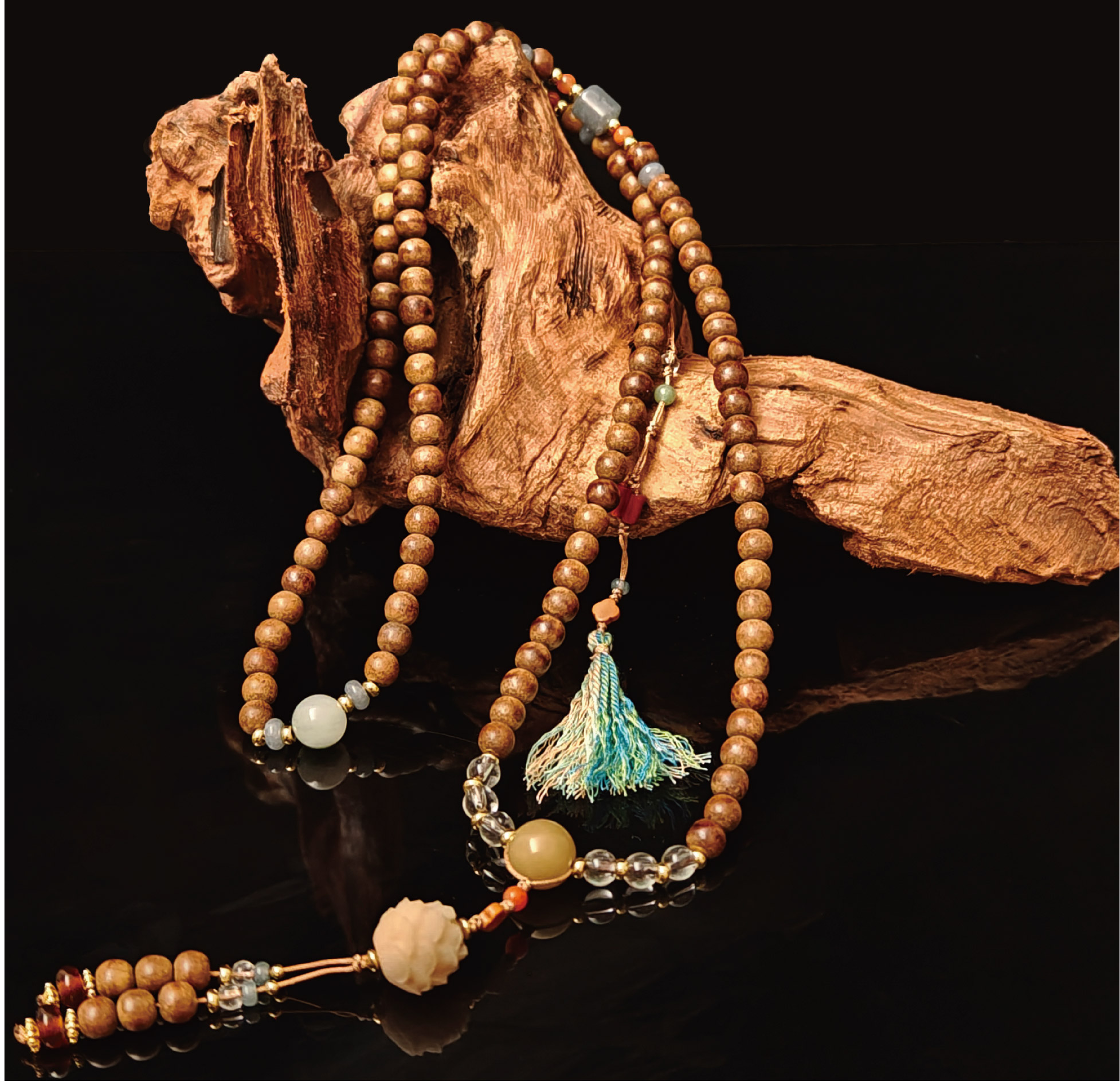
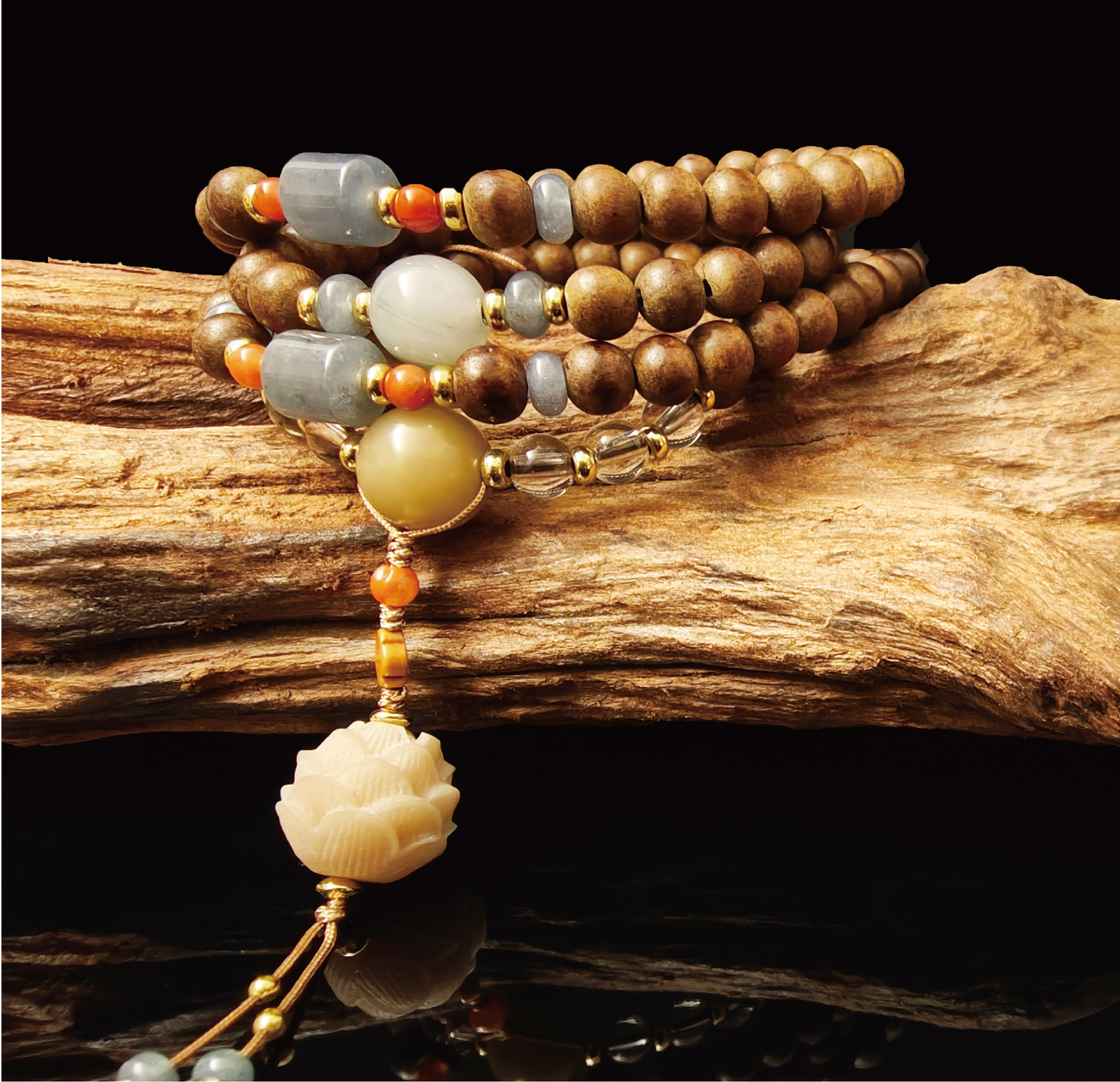
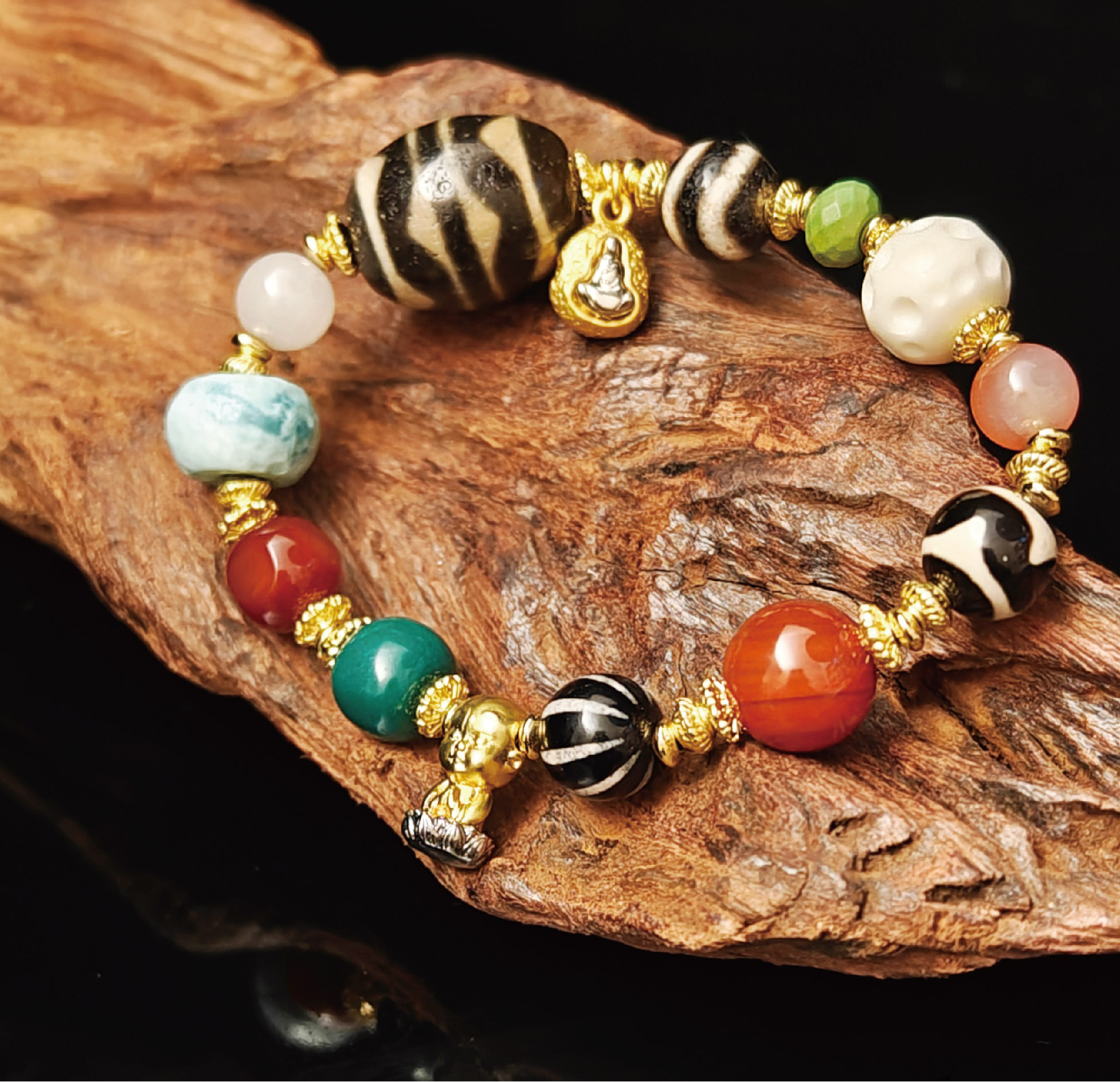
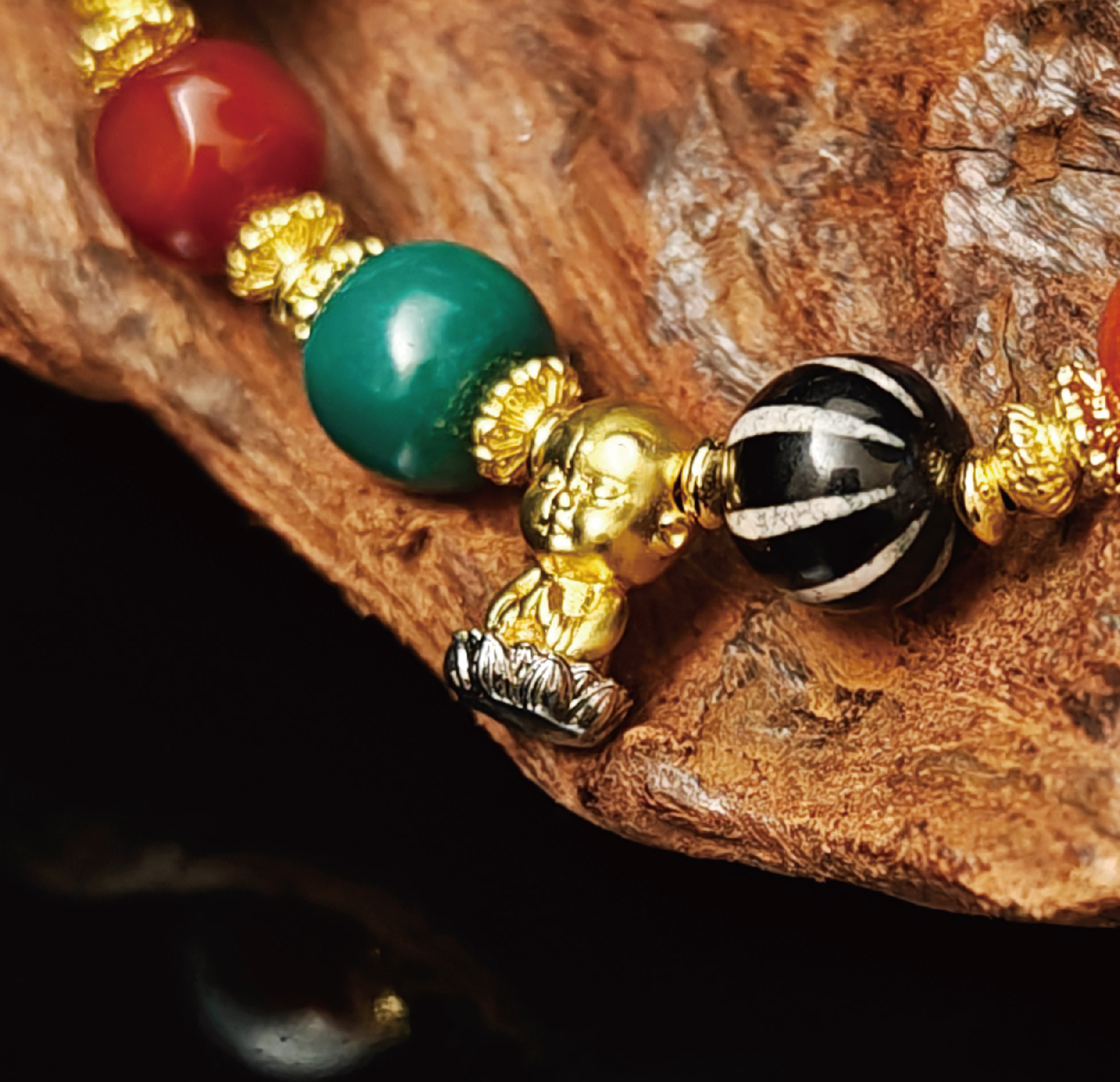
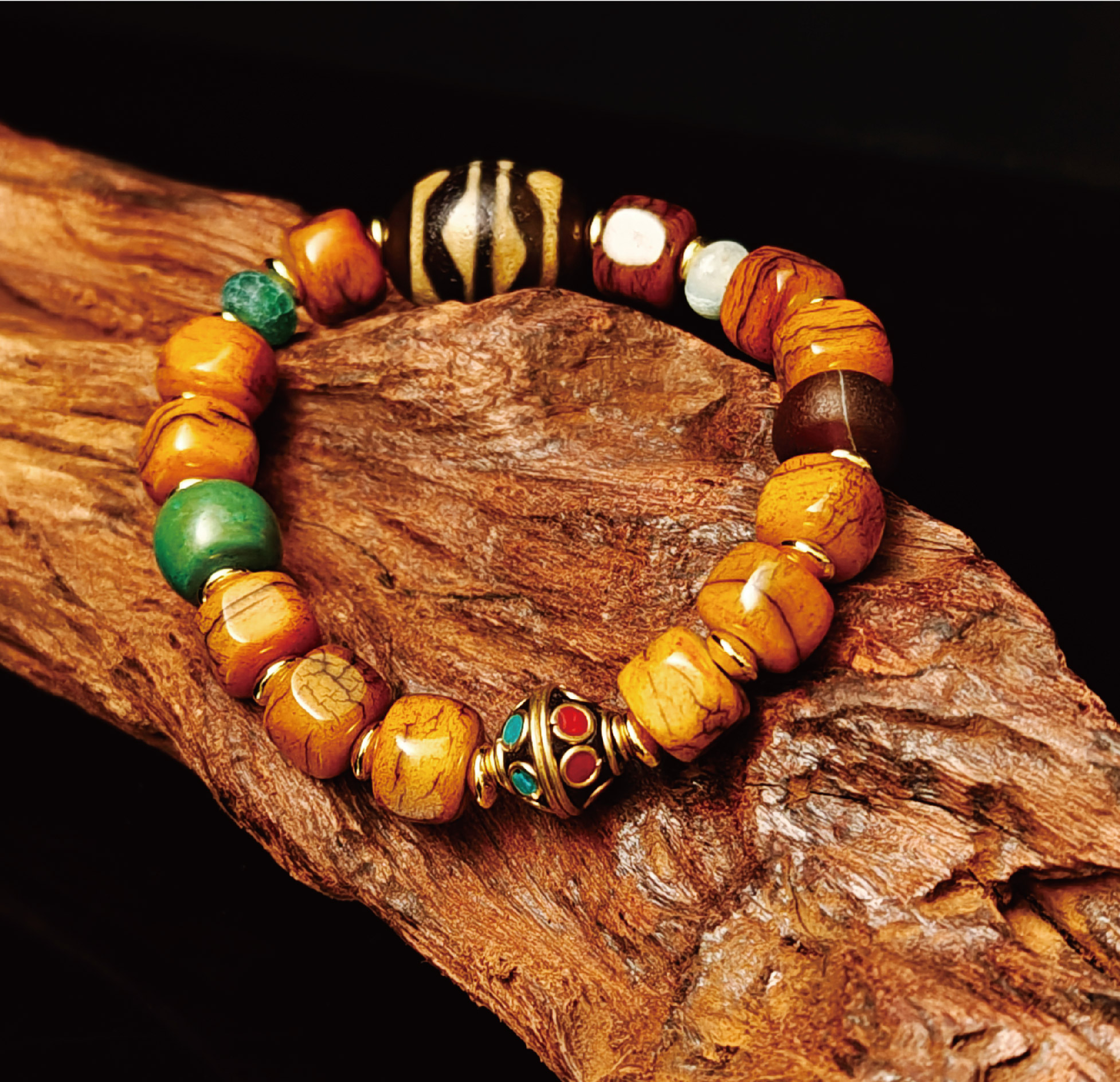
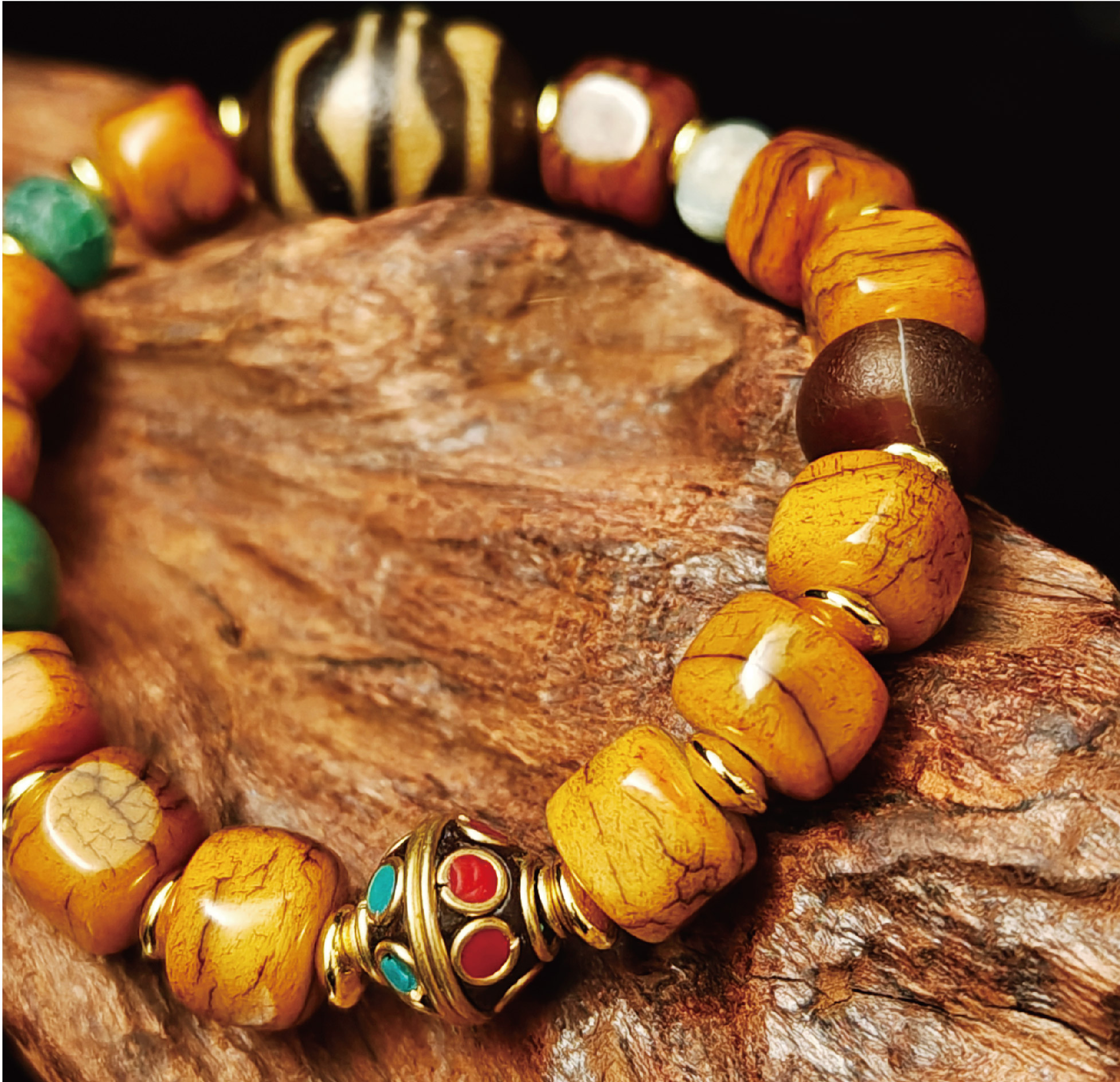
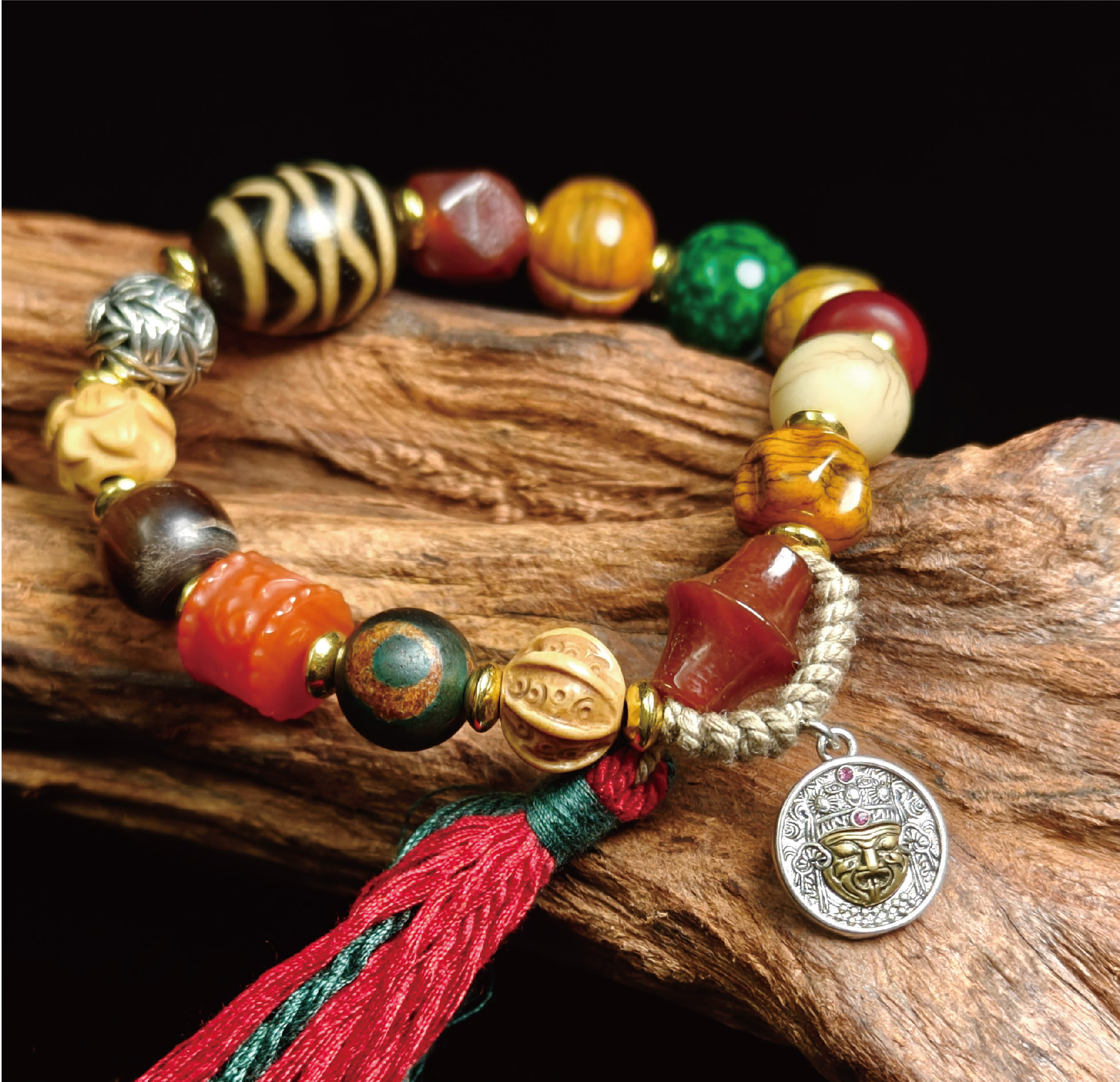
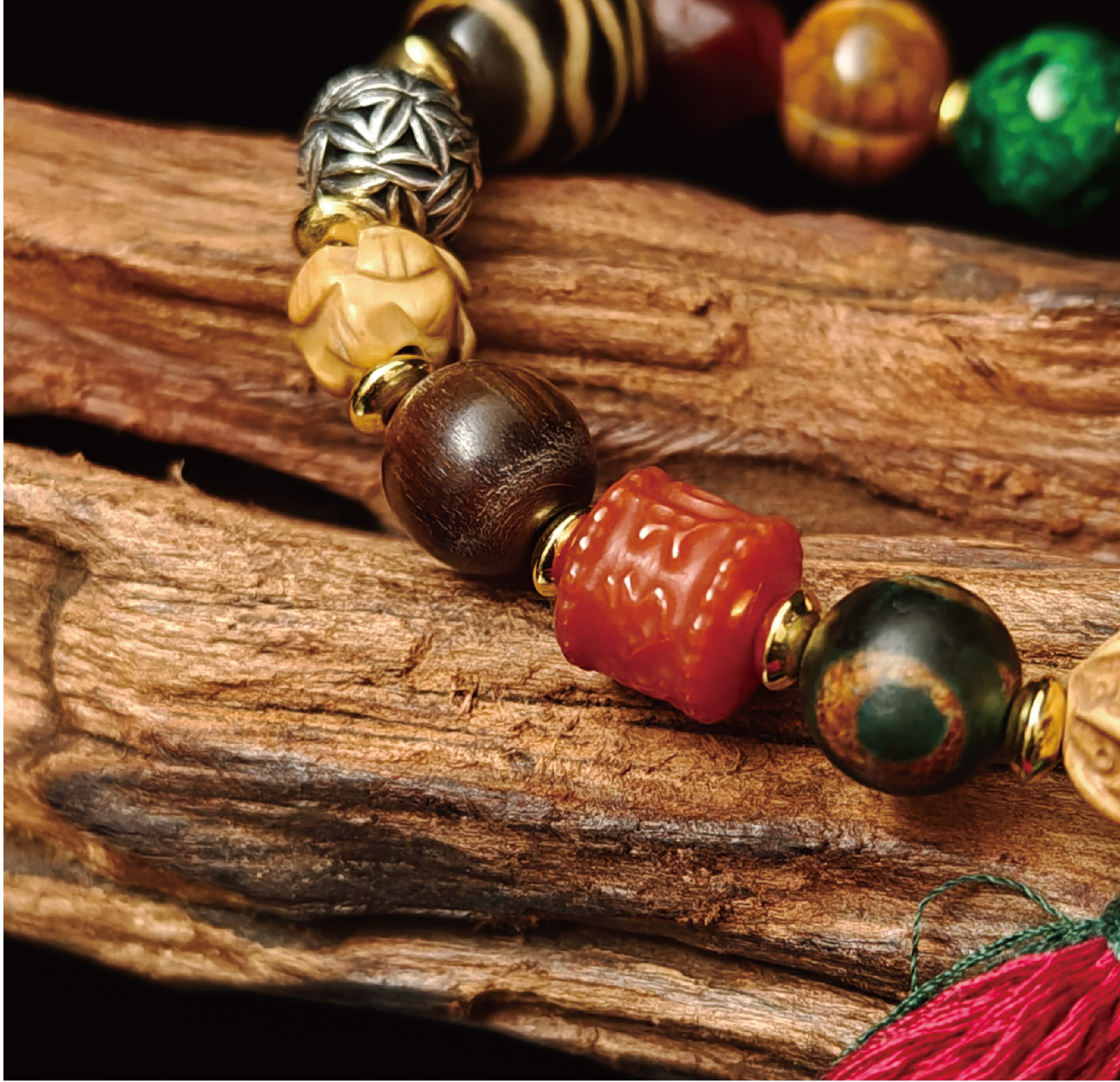
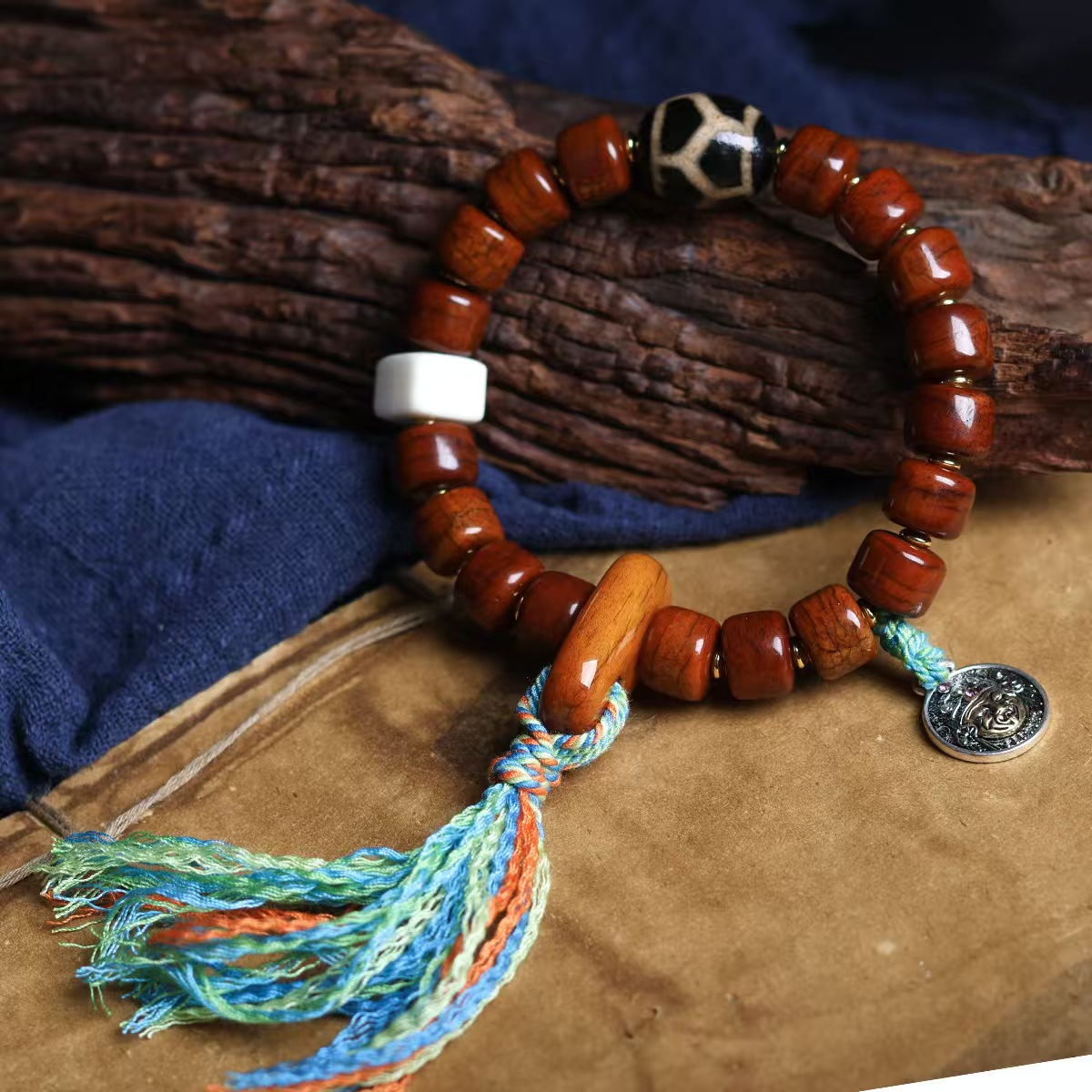
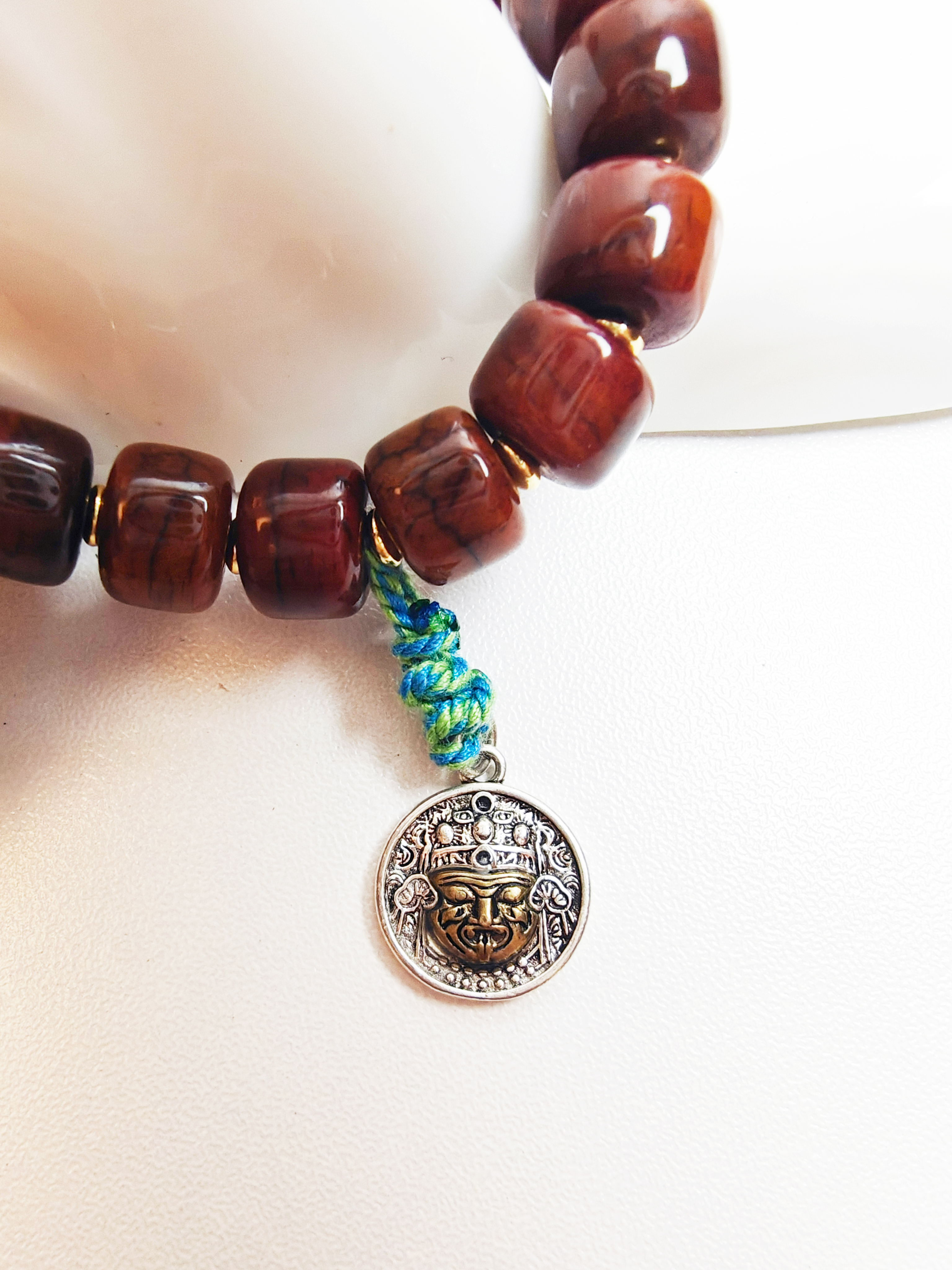
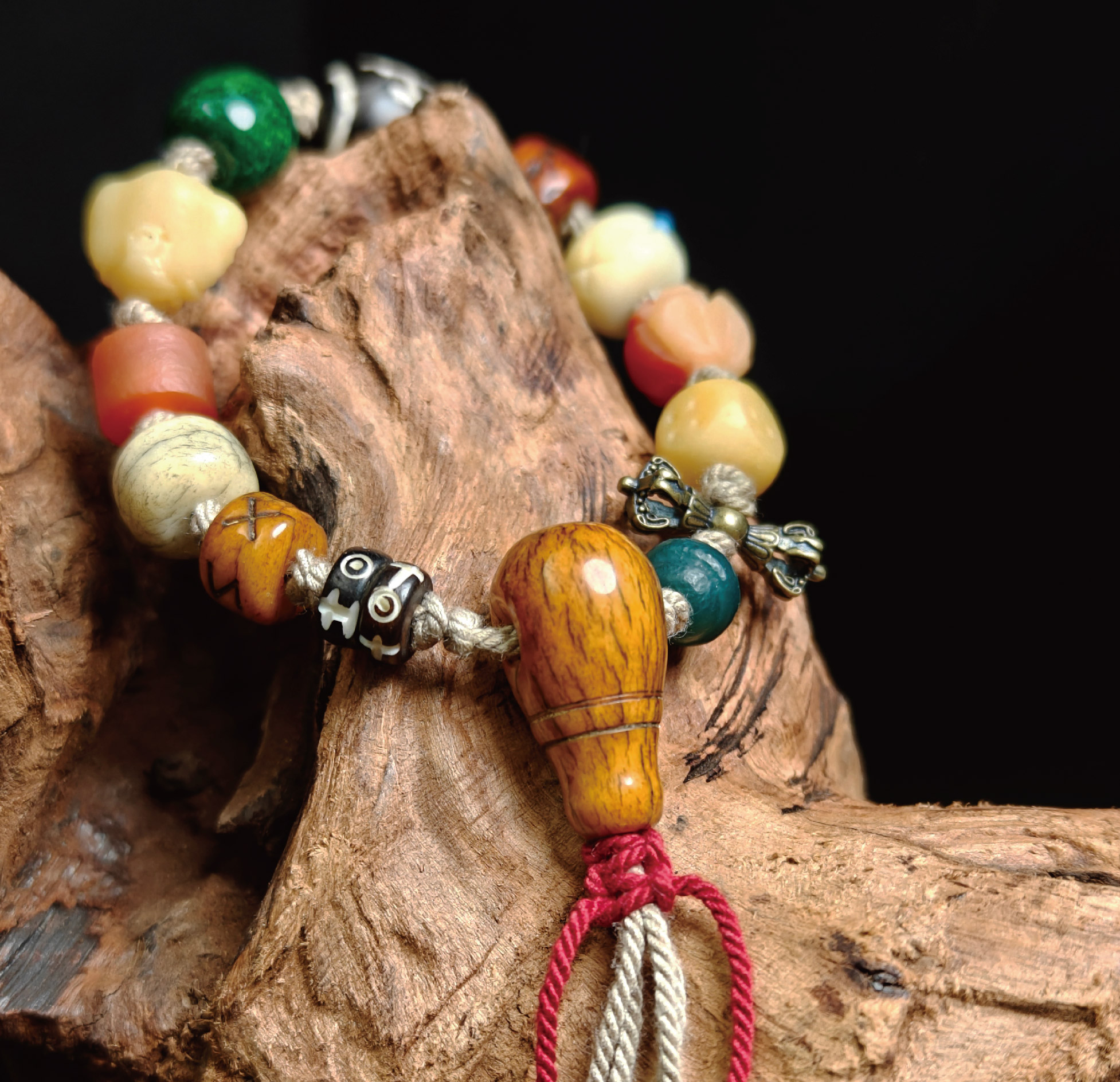
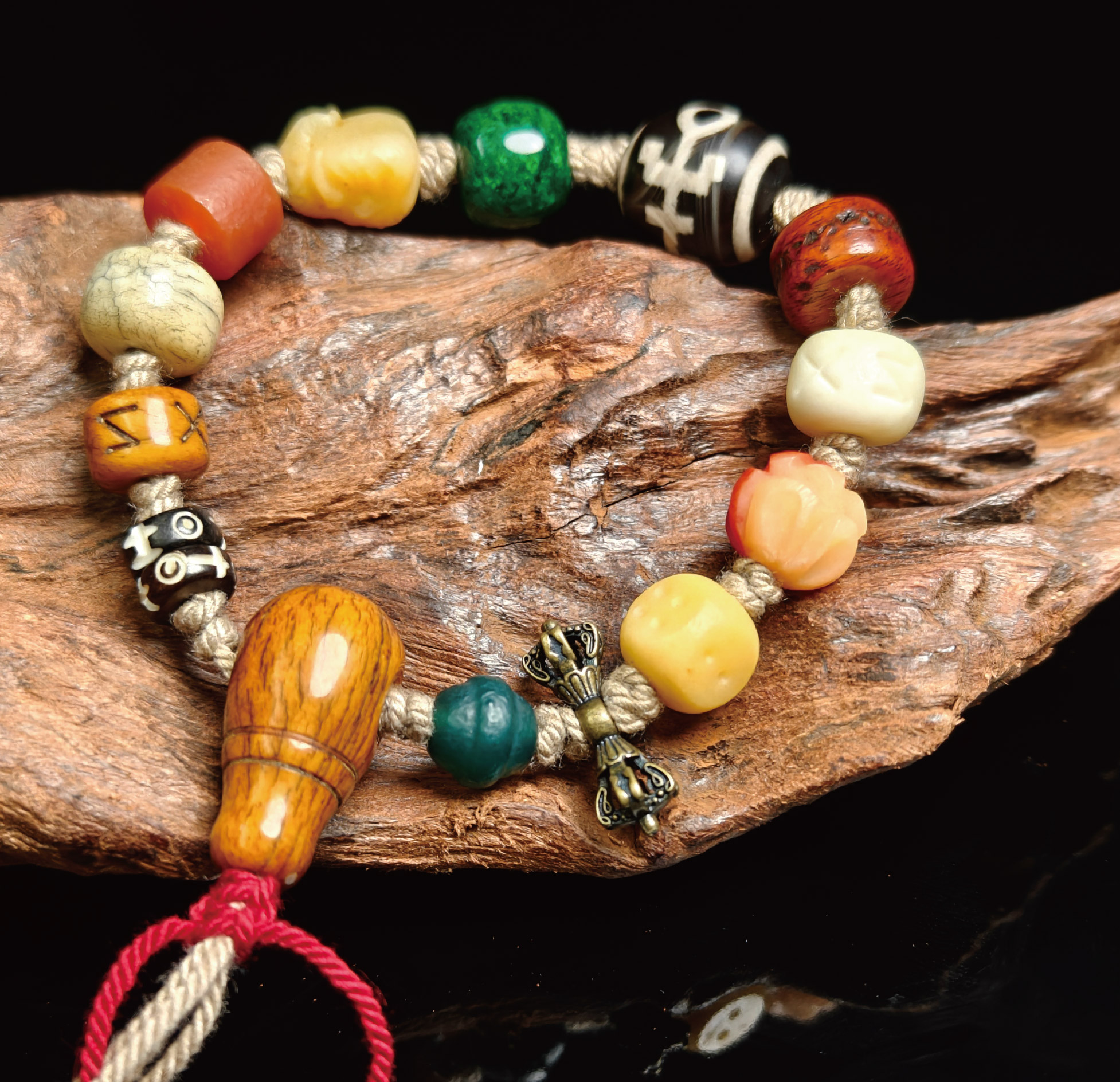
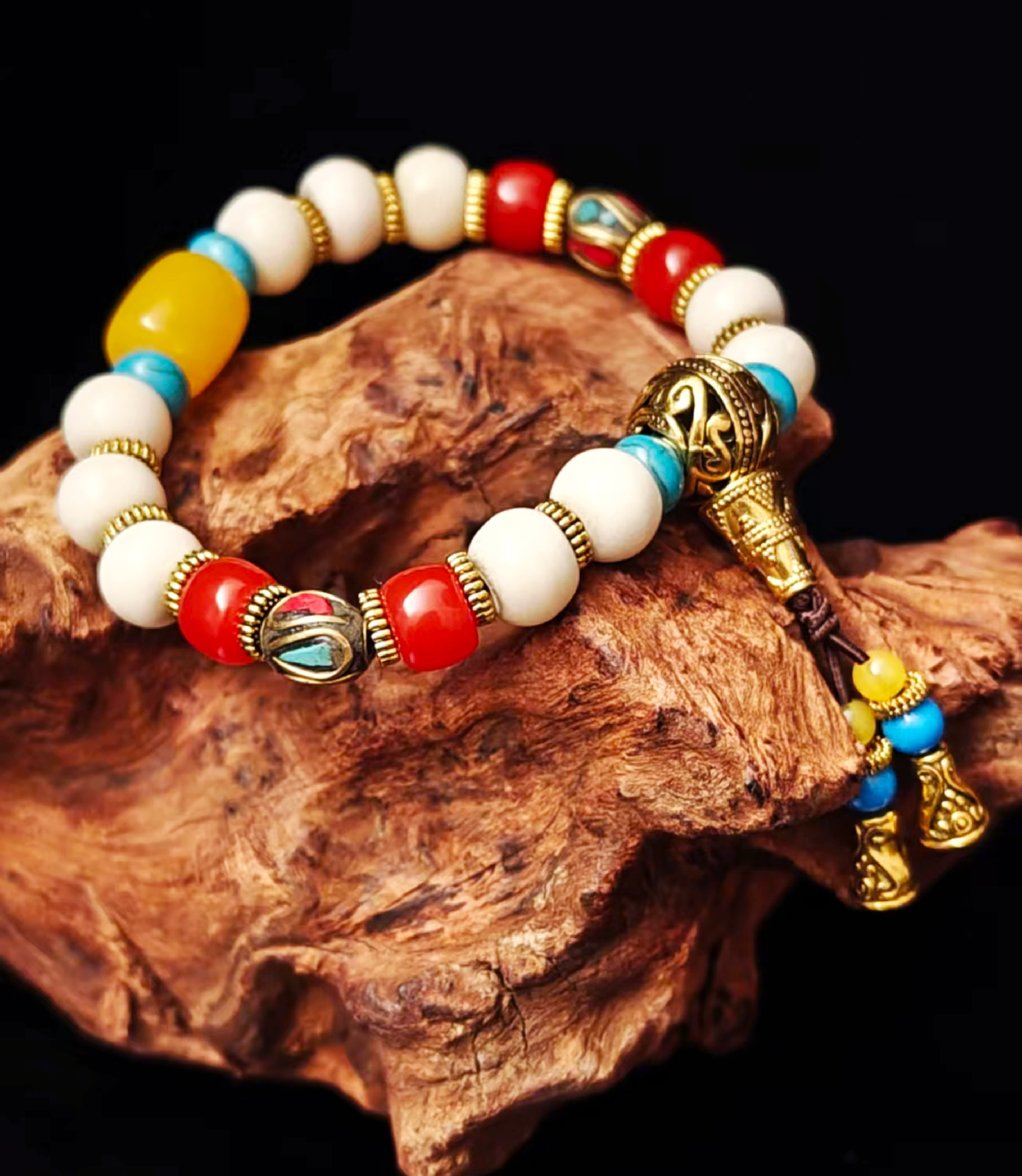
Image with text
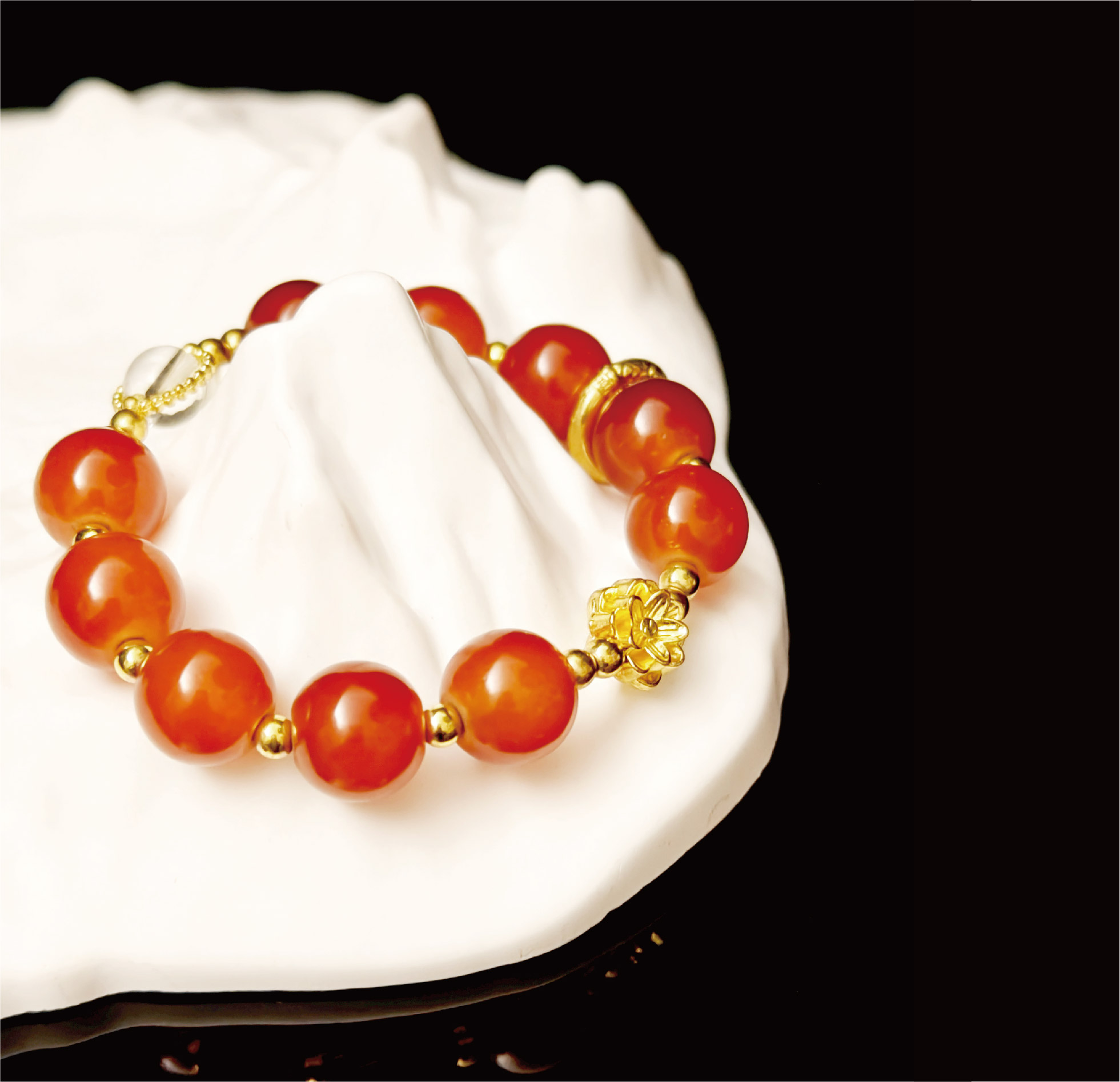
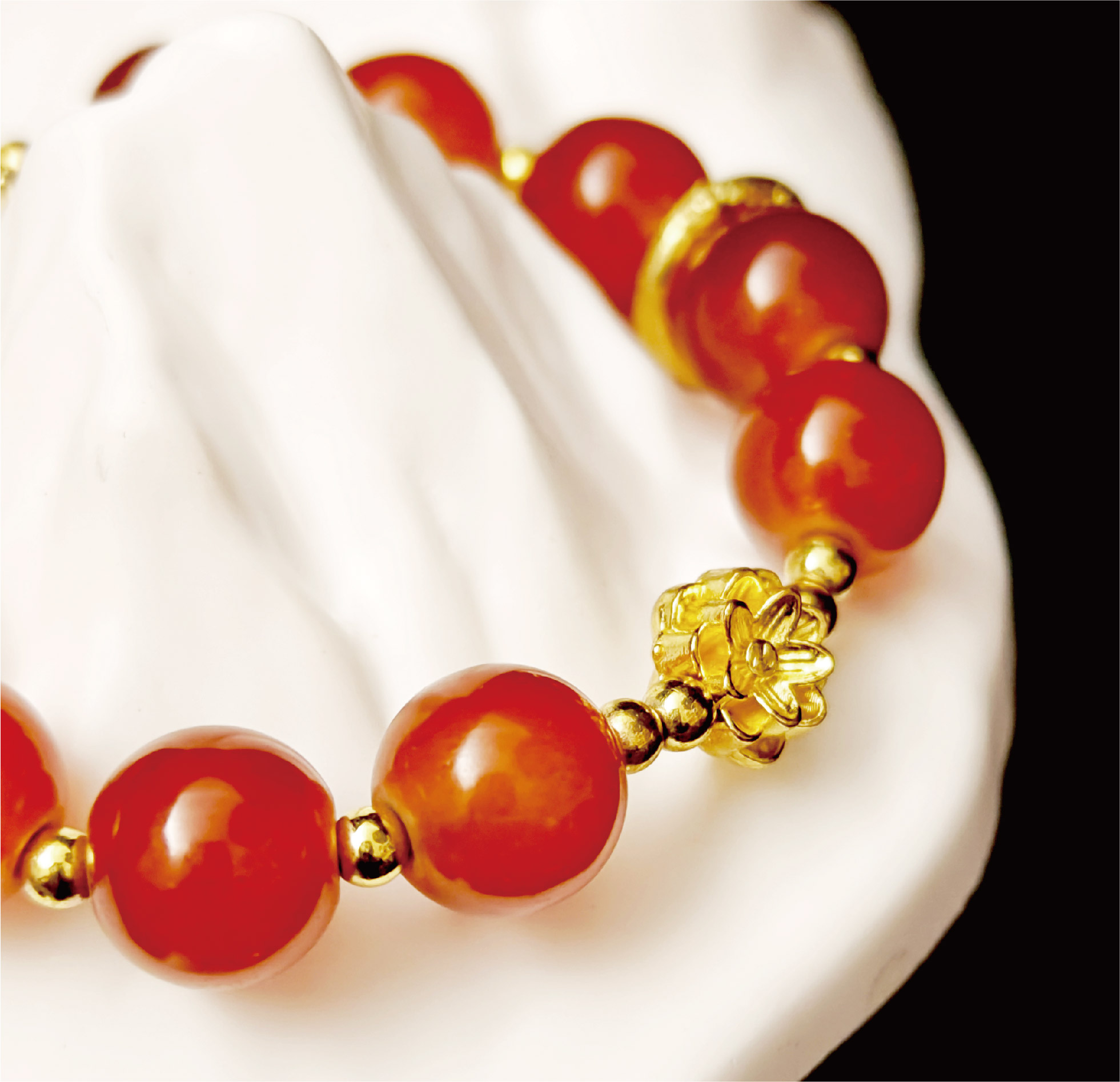
The Tibetan multi-treasure bracelet is based on a necklace made of various materials, combining the values of protection, decoration, practice, and collection.
It originates from Tibetan beliefs and the tradition of noble adornments, embodying Tibetan Buddhism and folk culture, and can bring peace of mind, positive suggestions, and assistance in practice.
It originates from Tibetan beliefs and the tradition of noble adornments, embodying Tibetan Buddhism and folk culture, and can bring peace of mind, positive suggestions, and assistance in practice.
Its origins are related to the Bon religion's belief in "spirits residing in all things" from early Tibet. Indigenous people wore natural beads and stones, praying for blessings. After the introduction of Buddhism, mantras and totems were integrated, forming the shape of multi-treasures.
According to one theory, it derives from the tradition of noble adornments in Tibet and was later influenced by the "Eighteen Beads Bracelet" from Han China, becoming established during the cultural fusion of Tibet and Han during the Ming and Qing dynasties. From being exclusive to nobles, it gradually became popular among the masses, evolving into a protective adornment.
Modern multi-treasure bracelets inherit the logic of traditional combinations while integrating contemporary aesthetics, making them suitable for everyday wear and various scenes.
Thangka Tribe